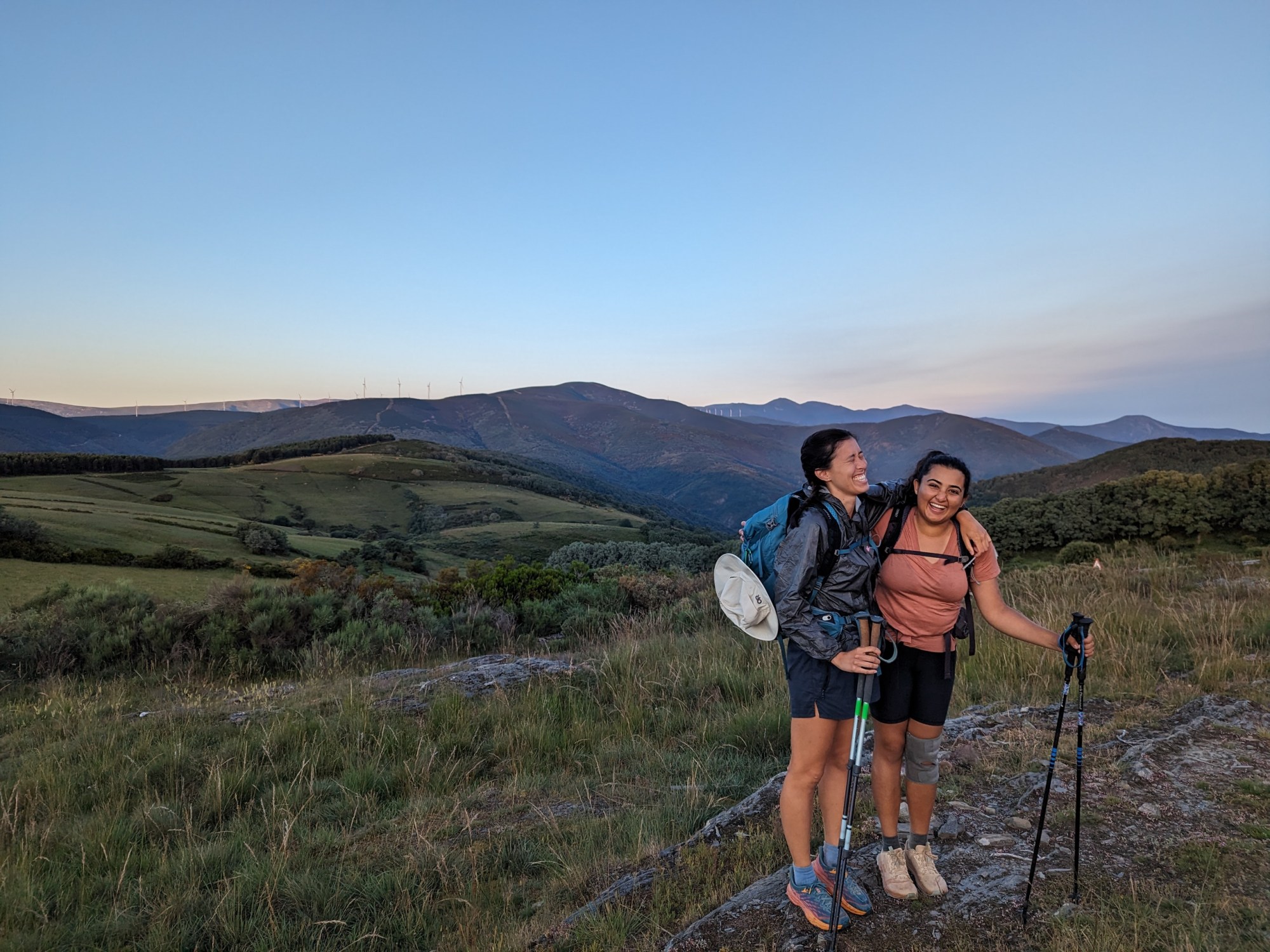
How does one sum up a life-changing, month-long experience walking 781 km across Spain to Santiago de Compestela? Walking the Camino definitely isn’t an experience that fits neatly into one blog post but I’m going to try to my best. After graduating from grad school I was looking for a longer, more reflective, and active travel experience before I began working again. I didn’t want to do the typical jetsetting around Europe because I felt the need to do something more meaningful. When chatting with my friend Jade about this idea for an alternative trip she suggested I join her in doing the Camino de Santiago.
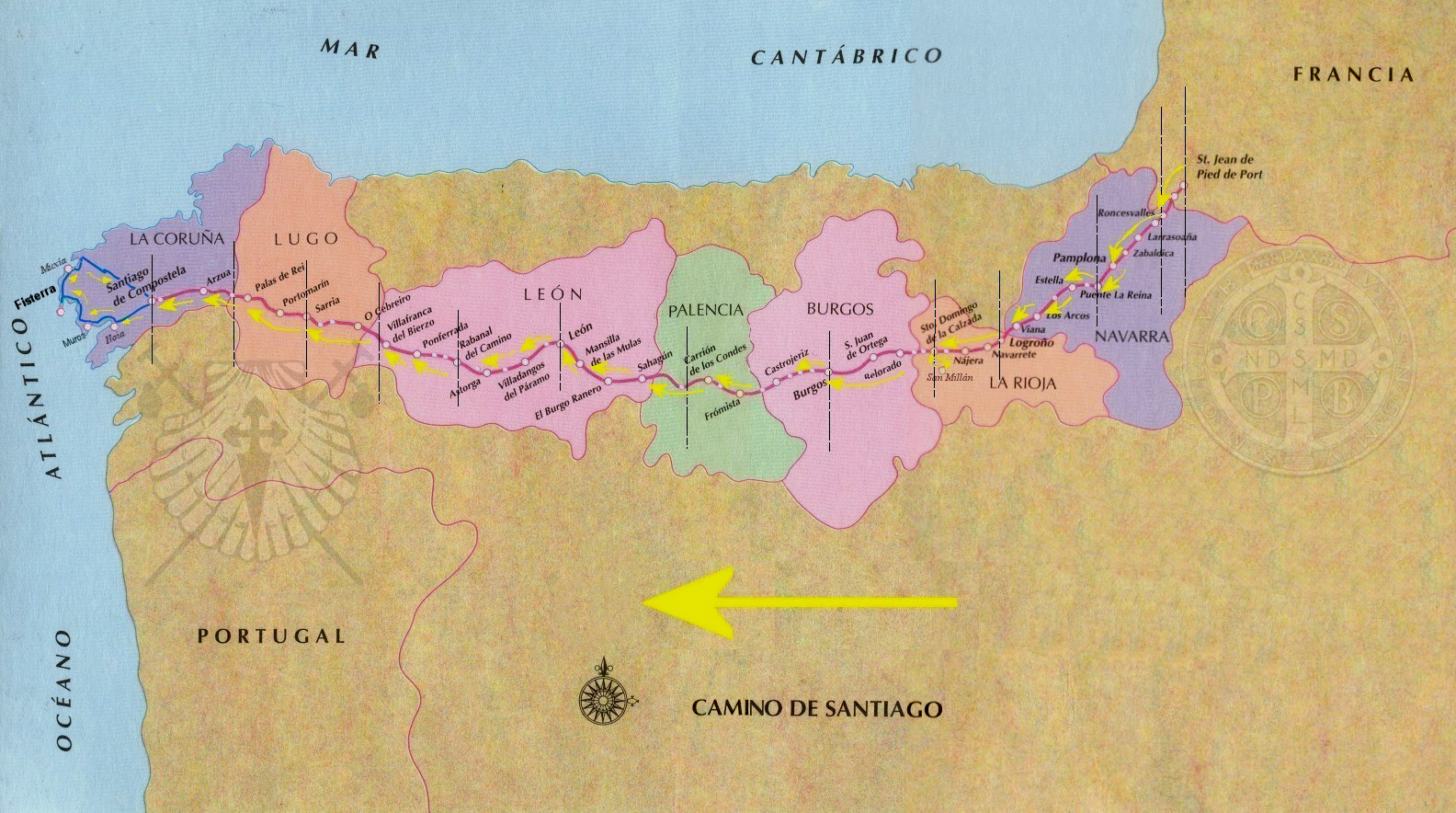
The Camino de Santiago is pilgrimage that people have been doing since medieval days to the Cathedral of Santiago de Compostela in the northwest of Spain. Legend has it that the remains of the Apostle St. James the Great were buried in the Cathedral and discovered by a shepherd in the 9th century. Before chatting with Jade I had some vague conception of the Camino but had never thought seriously about doing it but realized that it was an chance I may never get again in my life.While there are many routes a pilgrim can take to Santiago de Compostela we decided to do the French Way (Camino Frances) starting in Saint Jean Pied de Port because it is one of the most historic and fit well with our timeline. The Camino Frances starts in the Pyrenees in the small Basque town of Saint Jean Pied de Port and goes all the way across Spain to Santiago de Compostela (see map below). I was filled with doubts about my ability to walk so much distance but excited by the opportunity to spend so much time hiking through beautiful Spanish countryside, meeting other pilgrims and getting immersed in Spanish culture.
We anticipated the walk would take us between 30-35 days. Although we created a rough spreadsheet with our anticipated daily distances and stops we held ourselves back from making reservations every night because we weren’t sure how much we would want to stick to the plan. We made reservations for the first 3 nights since the trail can be more busy at the start when everyone basically follows the same stages but afterwards we left our plan flexible. I liked this approach because we could listen to our bodies and cover more or less distance when we wanted to and/or change the towns we planned to stay based on where our camino friends were going. We ended up doing some combo of planning where we were going to stay a few nights in advance and staying at municipal albergues (budget hostels along the way) which don’t take reservations. Since we were also trying to keep a tight budget being able to find beds or private rooms at nicer private albergues was not as much of a concern. At the bottom of this post you can find a table with all the places we stayed every night color coded for how much I liked them.
The Pyrenees/Navarra (Saint Jean Pied de Port -> Estella)
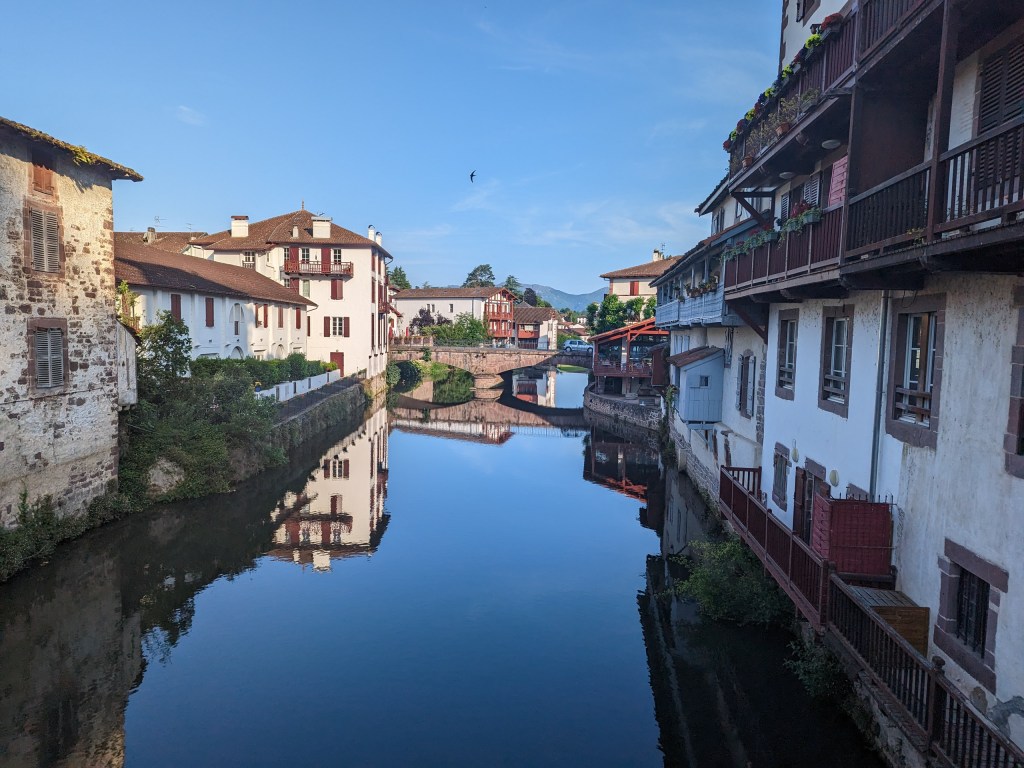
I arrived in Saint Jean Pied de Port (SJPdP) via train from Bayonne which I think is the easier way to get into SJPdP. We had booked two nights at Beilari since we got into town later in the evening and wanted to take a zero day (day without walking) in SJPdP to run errands before we started. Beilari ended up being one of our favorite albergues along the whole way because of the incredible communal dinners that featured getting to know our fellow pilgrims and delicious vegetarian food. During our day off we visited the Pilgrim’s Office to pick up our official credential (booklet that we collected stamps on each day to prove our journey) as well as snacks and last minute trail supplies.
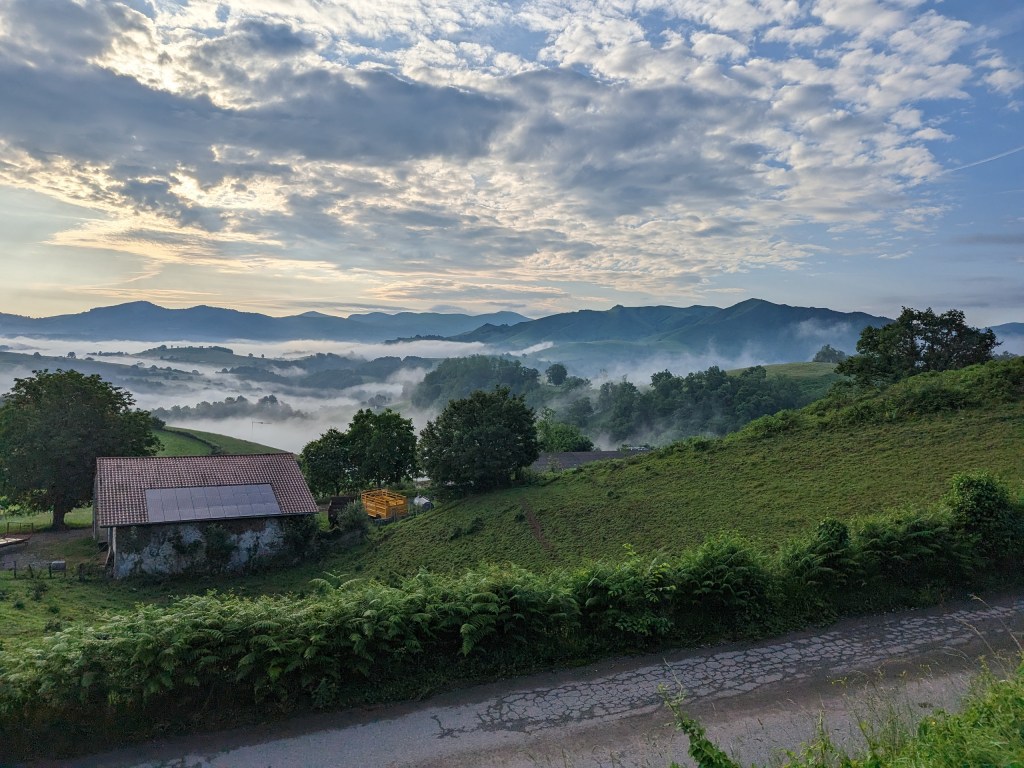
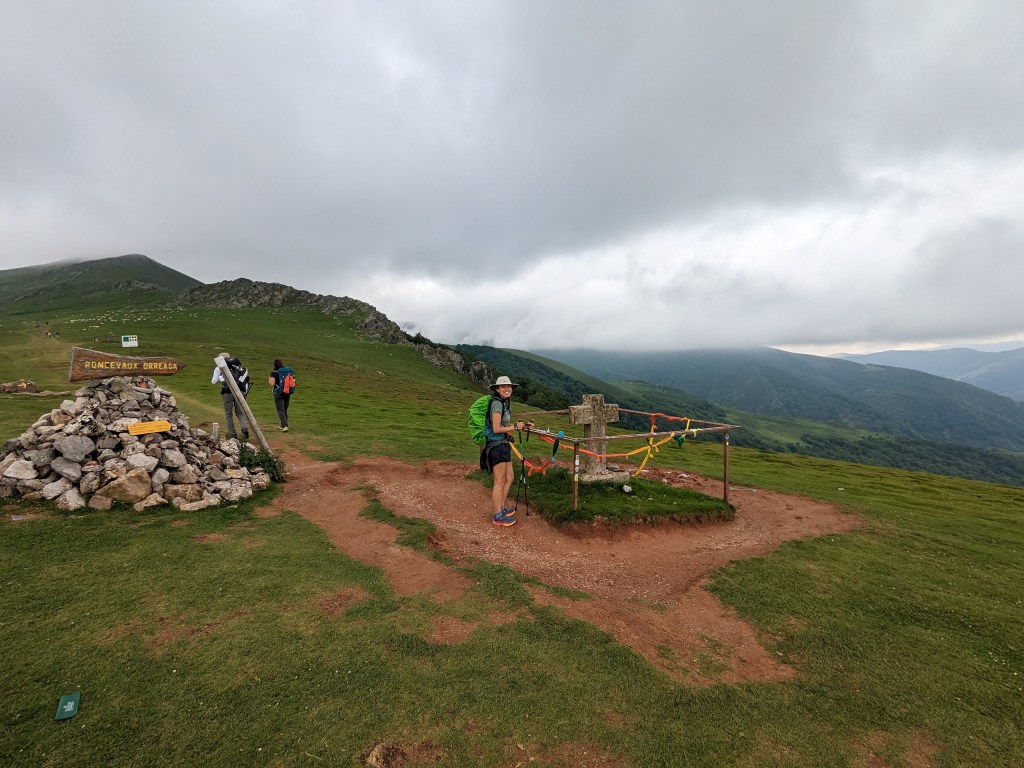
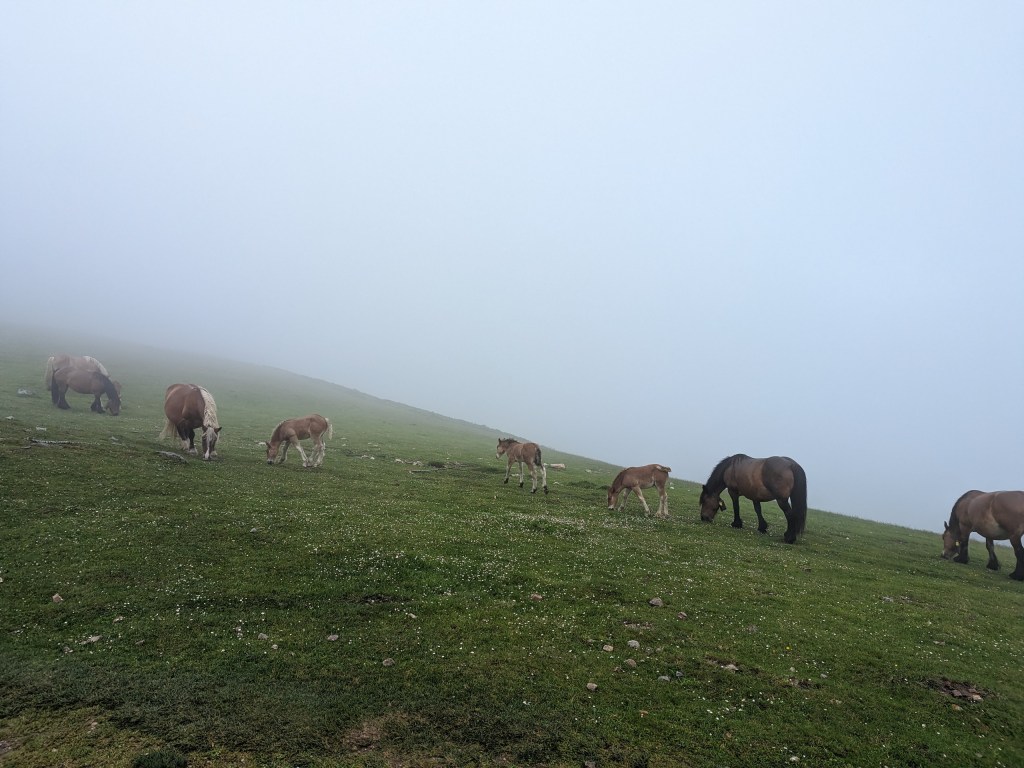
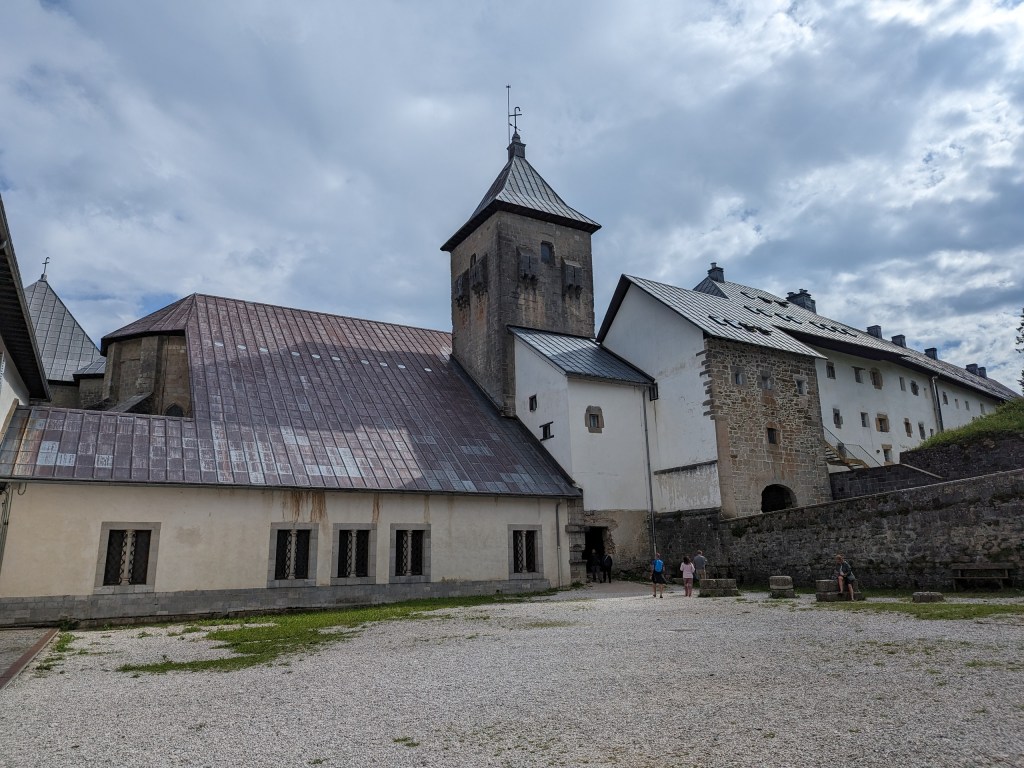
We started walking on June 4th and the first few days walking over of the Pyrenees were some of my favorite. Although they were incredibly challenging on the legs to ascend and descend thousands of feet, the views were definitely some of the best along the entire camino. Staying at the Monastery in Roncesvalles was also a really cool experience. Not only was it a beautiful, historic building but also since the town is so small most pilgrims stay in the monastery making it feel like the beginning of the communal experience that is the Camino.




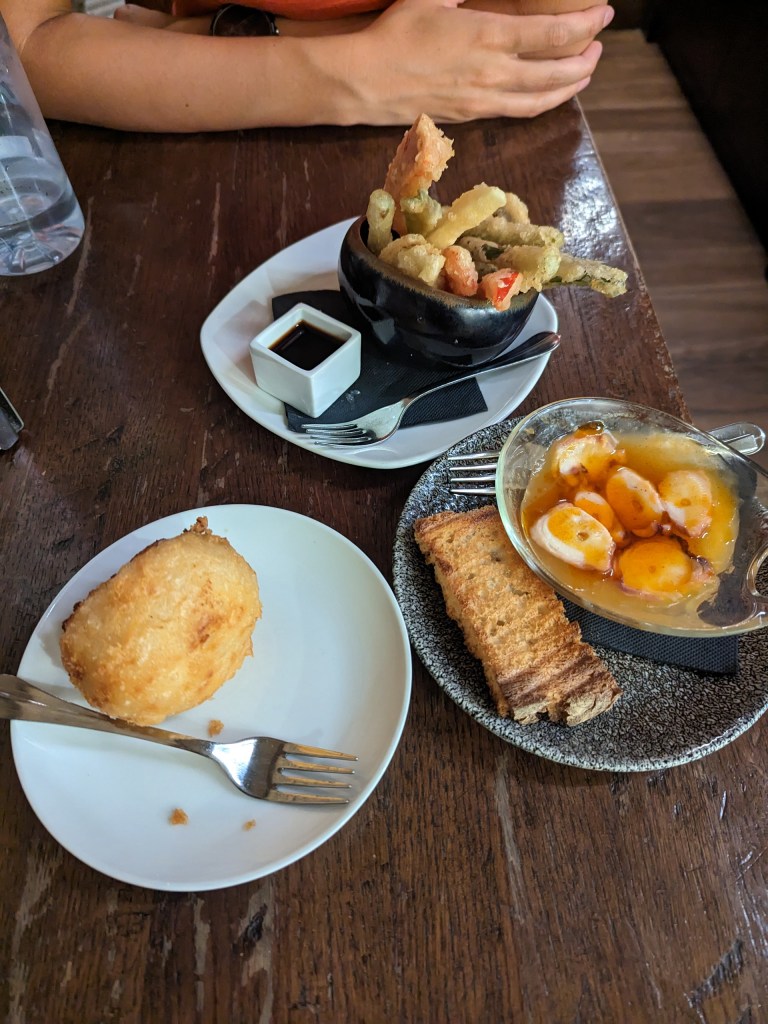
Pamplona also turned out to be one of my favorite places we stayed the night. Aside from being the biggest city on the Camino Frances, Pamplona had a incredible bustling old quarter filled with beautiful architecture, pinxo (basque word for tapas) bars and shops that made for a wonderful evening. We had drinks with some fellow pilgrims we’d met the first few days at Café IRUÑA, famously an old haunt of Hemingway when he lived in Pamplona. Then for dinner we had a few pintxos at on Calle San Nicolas, a whole street of amazing pintxo bars.


After passing Pamplona, several days of steep descent caused me to develop tendonitis in both knees causing me intense pain, especially when going downhill. I even had to forward my pack two days instead of carrying it to reduce the pressure on my knees. Luckily there are a couple of very reliable luggage forwarding services that will take your bag from one albergue to the next for just €6. Every night I also tried icing, resting and elevating my knees to speed up the recovery as much as possible. Luckily with these changes and heavy use of my hiking poles I was able to continue with the distance we had planned before.


Rioja (Estella -> Burgos)
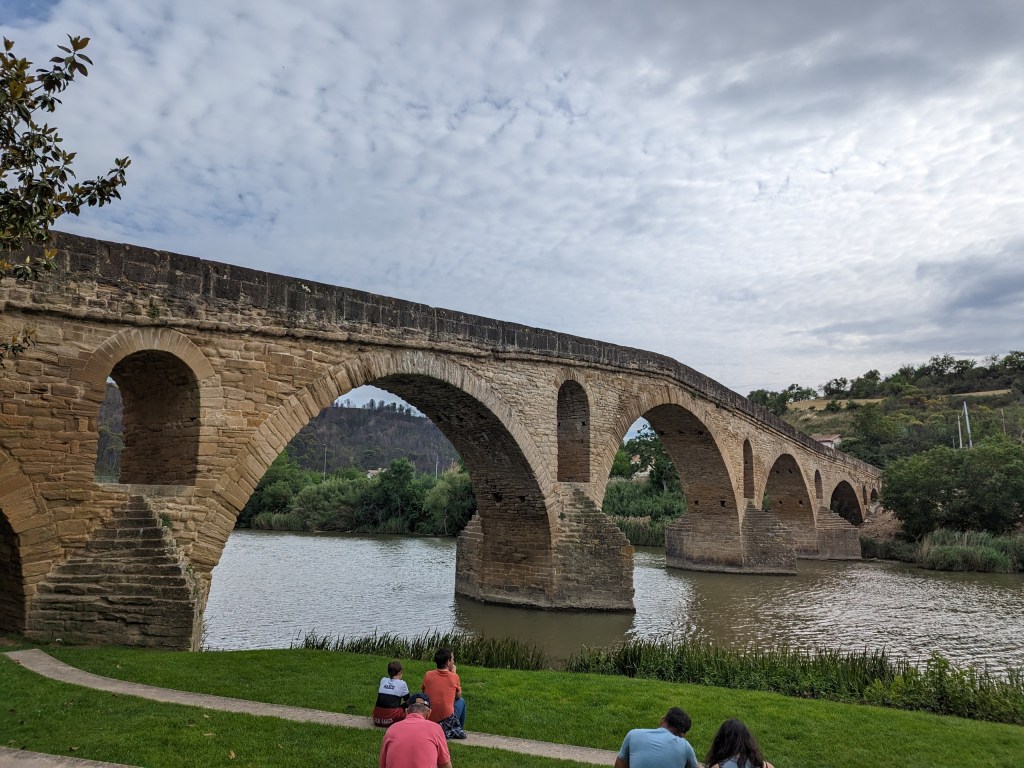
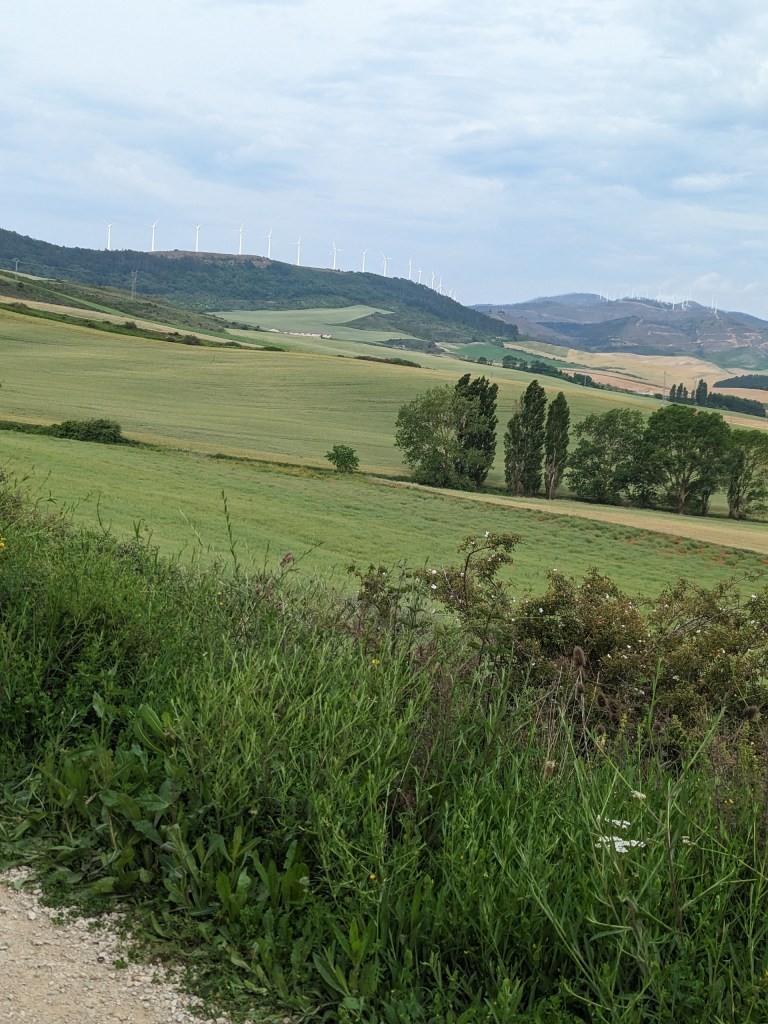
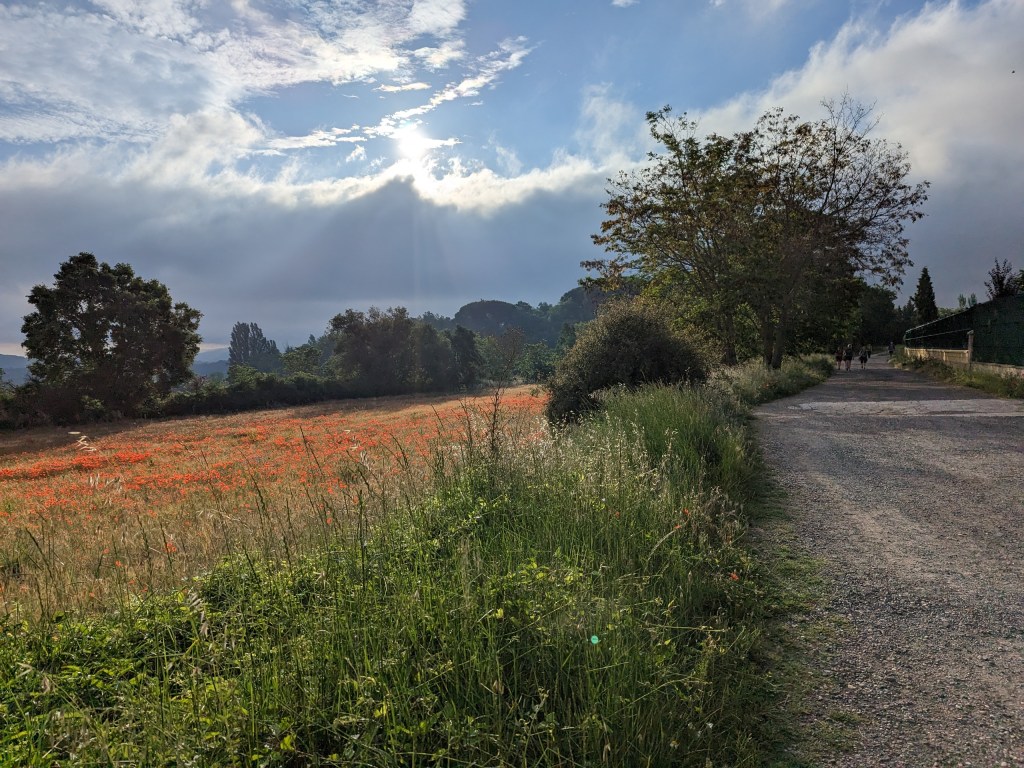
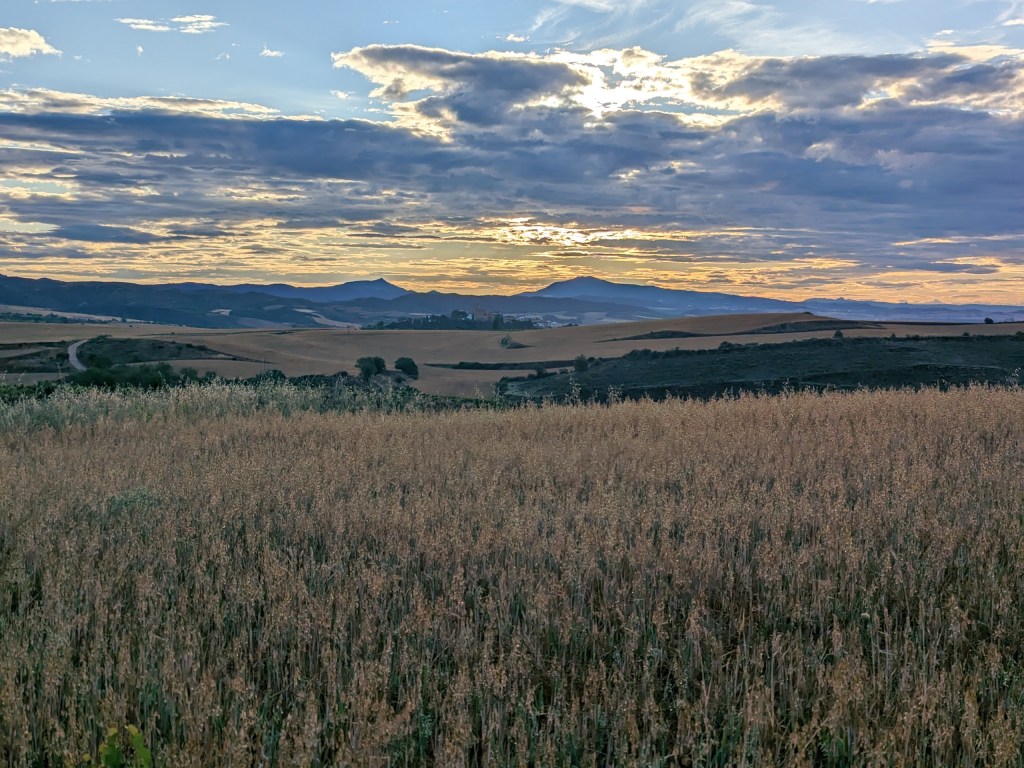
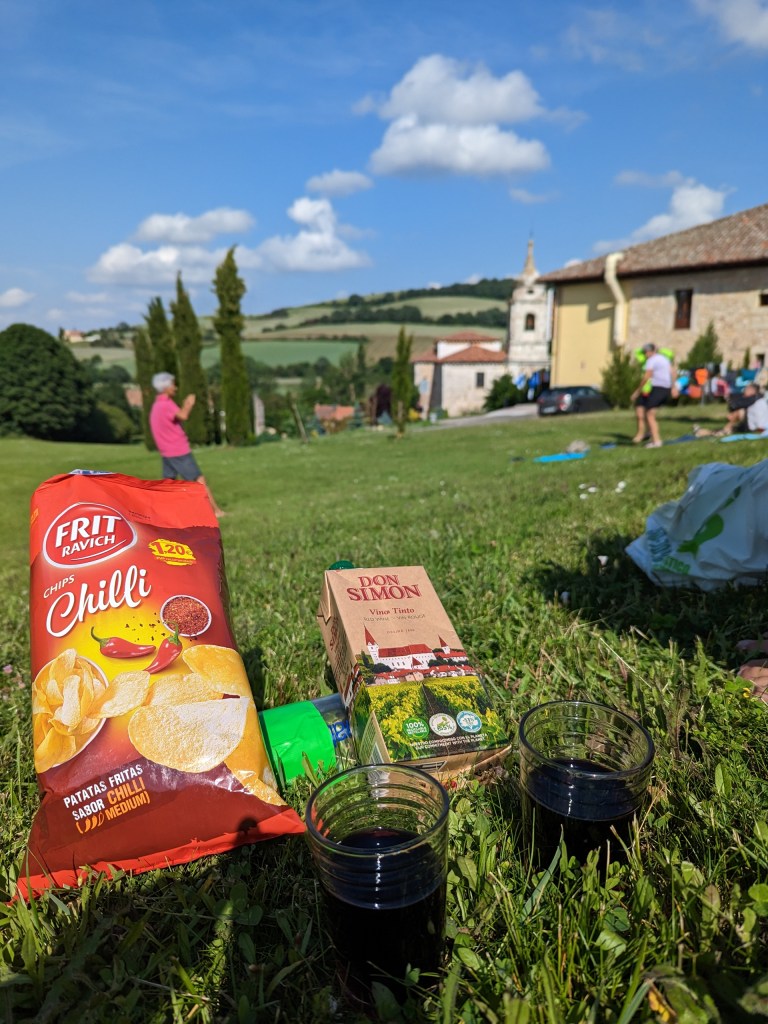
After Estella the landscape changed from the Mountains of the Pyrenees to rolling hills of vineyards and wheat fields. We passed the famous Irache Wine Fountain where pilgrims can fill up their bottles with free Rioja wine. We walked by the fountain at 8 am in the morning so decided to just take a sip and fill my 500ml bottle to enjoy the wine later. While the wine fountain was really cool, I will admit that the wine itself was not my favorite. But what can you expect from a free fountain? While this region was beautiful, there was less shade and it could get hot if we walked in the afternoon so we tried to leave early enough to avoid walking after 2pm if possible. The most unexpectedly beautiful part of this walk was passing fields of red poppies along the way. We got a real sense of spring blooming while we were walking in early June.




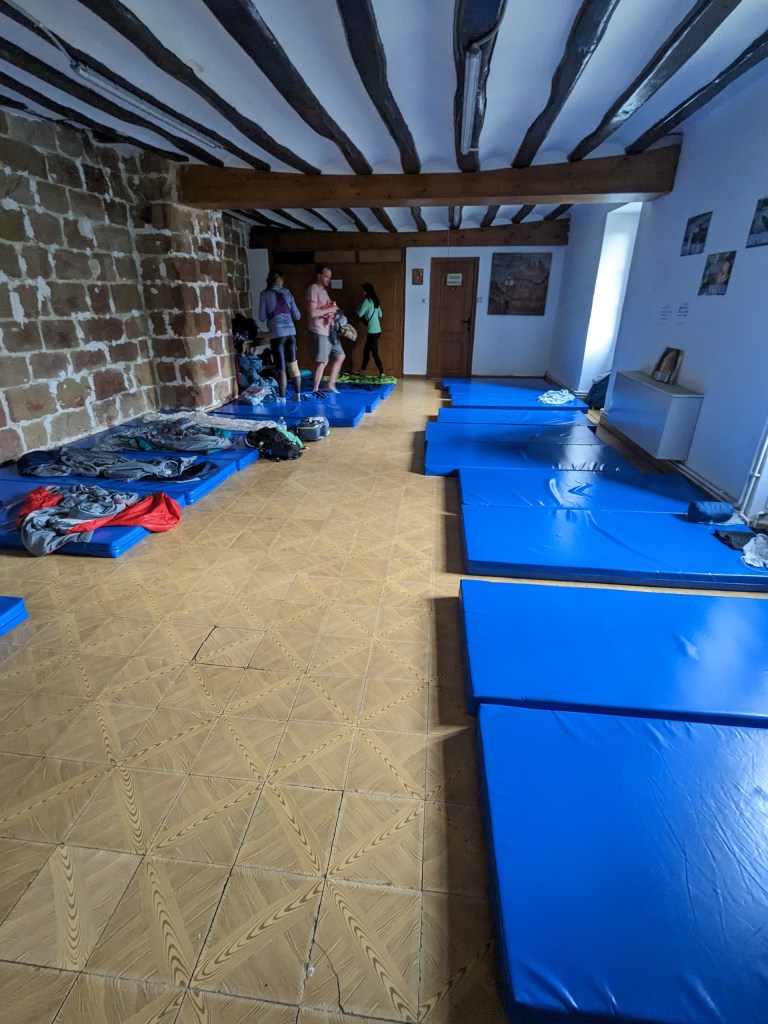
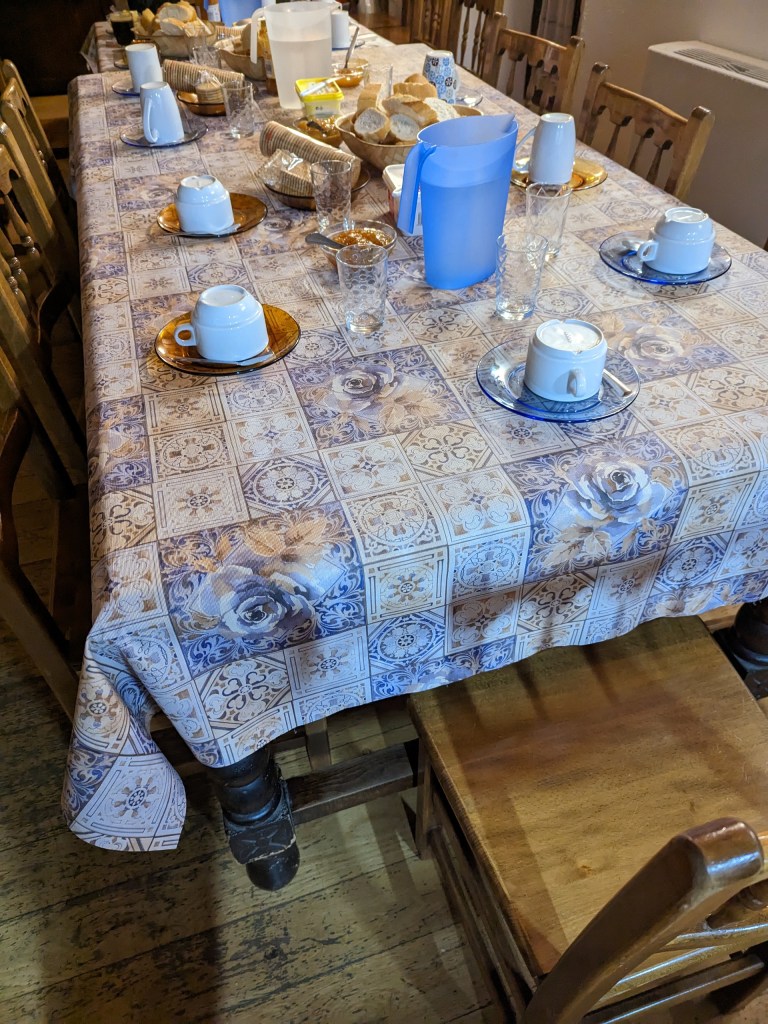
We arrived to the city of Logroño on the Saturday of the San Bernabé festival which celebrates the city’s victory over French troops in the 16th century. We could find renaissance style markets, weapons exhibitions and parades. The whole city was alive and it was so fun to explore. The only downside was that festivities in Spain can go until the morning so it was good that I brought high quality ear plugs to tune out the sounds of parades and partyers at night. In Logroño we also stayed at our first donativo albergue. Usually associated with the church, pilgrims can stay at donativo albergues and pay whatever they can afford. These were typically very modest accommodations, facilities run by pilgrim volunteers and we would make communal dinner and breakfast together. I left donations similar to what I would pay for a similar experience at another albergue, but found that because these albergues were run by pilgrims, for pilgrims they were always a uniquely communal experience.
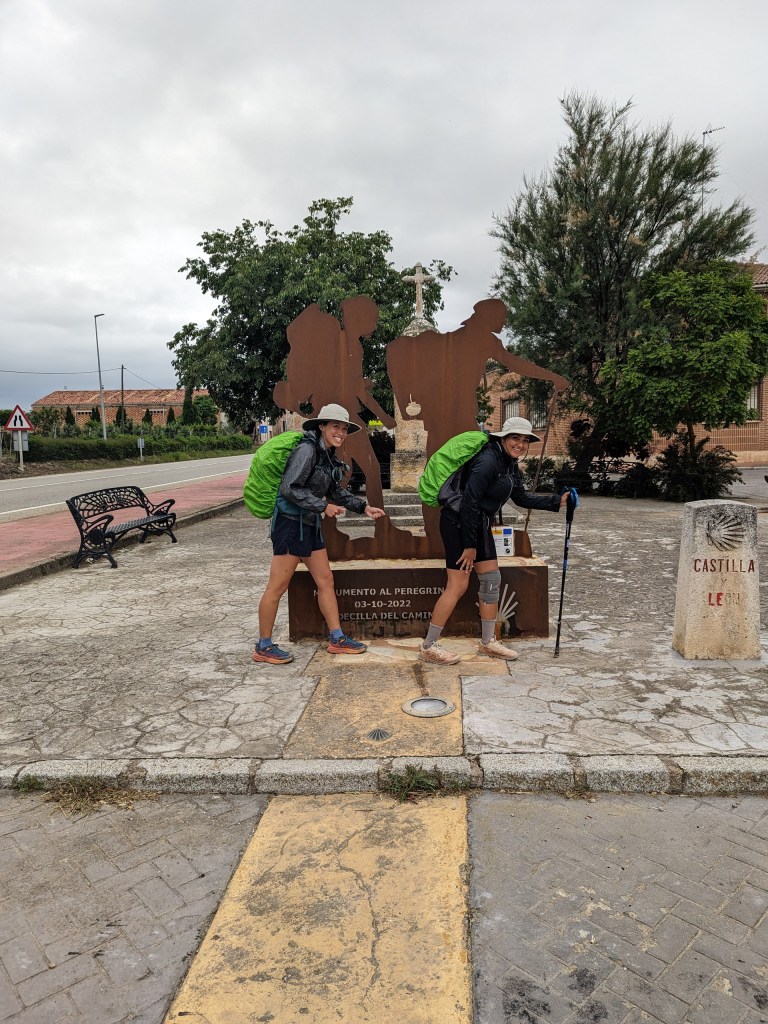
After Logroño we purposely decided to get a bit off from the guidebook stages most people follow in order to adapt the Camino to our needs. Given my knee pain, we decided to take a shorter day out of Logroño to Navarette where we got our first private room of the trip. It was nice to have real sheets, fluffy hotel towels and some privacy after staying in large dorms for the last week. The next night we stayed at the Municipal albergue in Azofra which offered a two person private room for only €10 each! Finally, we stayed at the donativo albergue in Grañón which ended up being one of my favorite albergues of the whole camino. The volunteers were great, the communal meal was lovely and we ended the night with a beautiful candlelit ceremony in the church where everyone shared why they were walking the camino and we hugged one another. Afterwards we had the energy to ramp up our distances so we could make up for our rest day and stay on schedule. We realized if we didn’t take any rest days we would have time to add on 3 days and walk all the way to Fisterra (a coastal town that was previously considered the end of the world). We ended up walking our longest distance of the entire Camino from Villafranca Montes de Oca to Burgos which was about 40 km. This was a distance I couldn’t have imagined doing before we started walking. While it was exhausting while we were doing it, it was surprisingly not my hardest day.



The Meseta (Burgos-> Astorga)
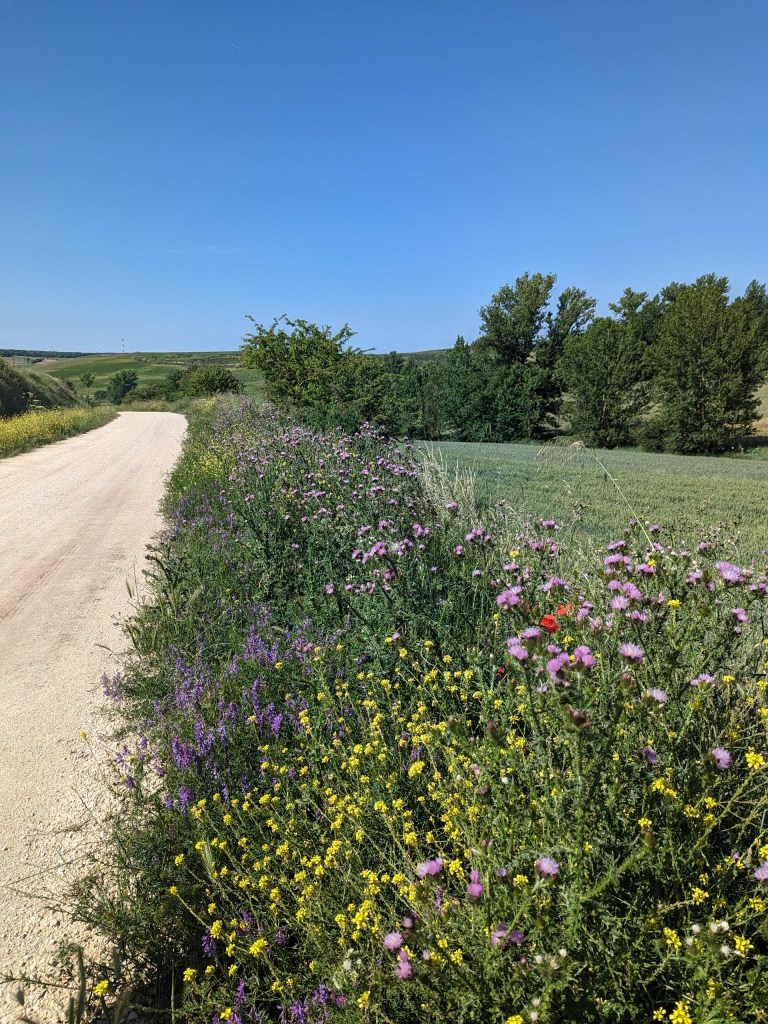
We passed a sign on our first day in the Meseta that said “No hay Camino sin la meseta” or there is no Camino without the Meseta. This was probably written because pilgrims short on time or looking to save a few miles will skip the Meseta, a flat, dry region on top of a mesa that is known as the most boring part of the Camino. While the Meseta was definitely not my favorite part of the Camino it was also much better than I had expected. I had imagined the Meseta to be a vast arid flat area that while walking we would only just see open plains ahead. It turned out to have cute towns, farm lands and trails along rivers lined with beautiful yellow flowering bushes. Also after doing plenty of elevation in our first weeks, I appreciated being able to walk on the flatter surface and give my knees a well-deserved rest.
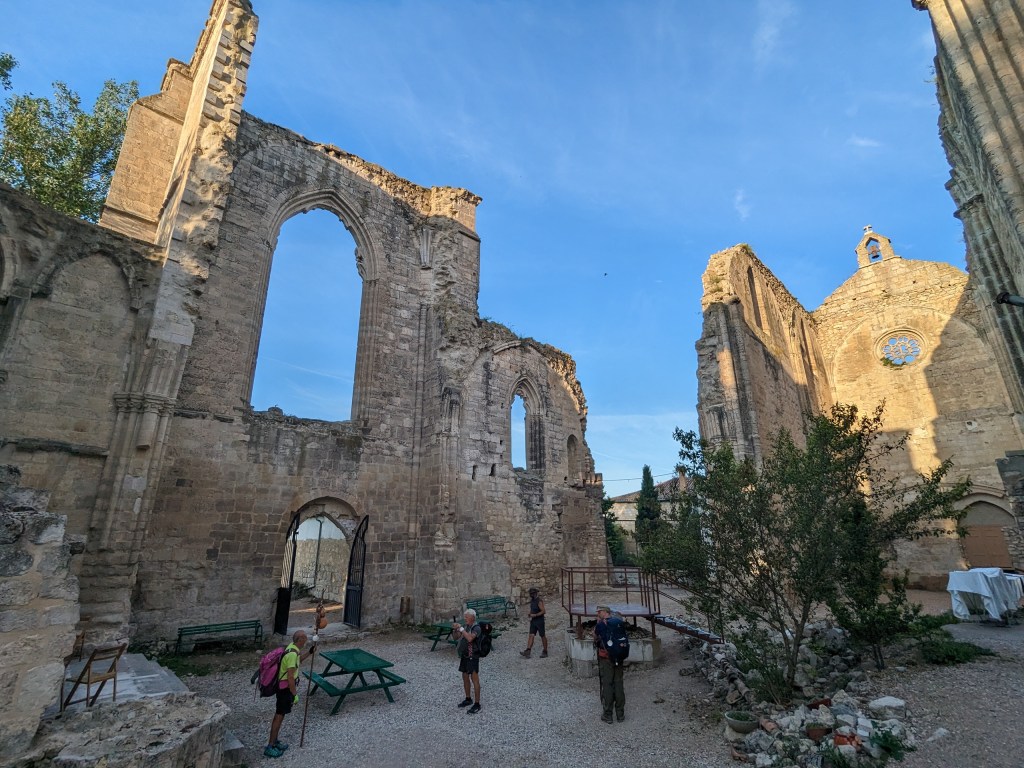
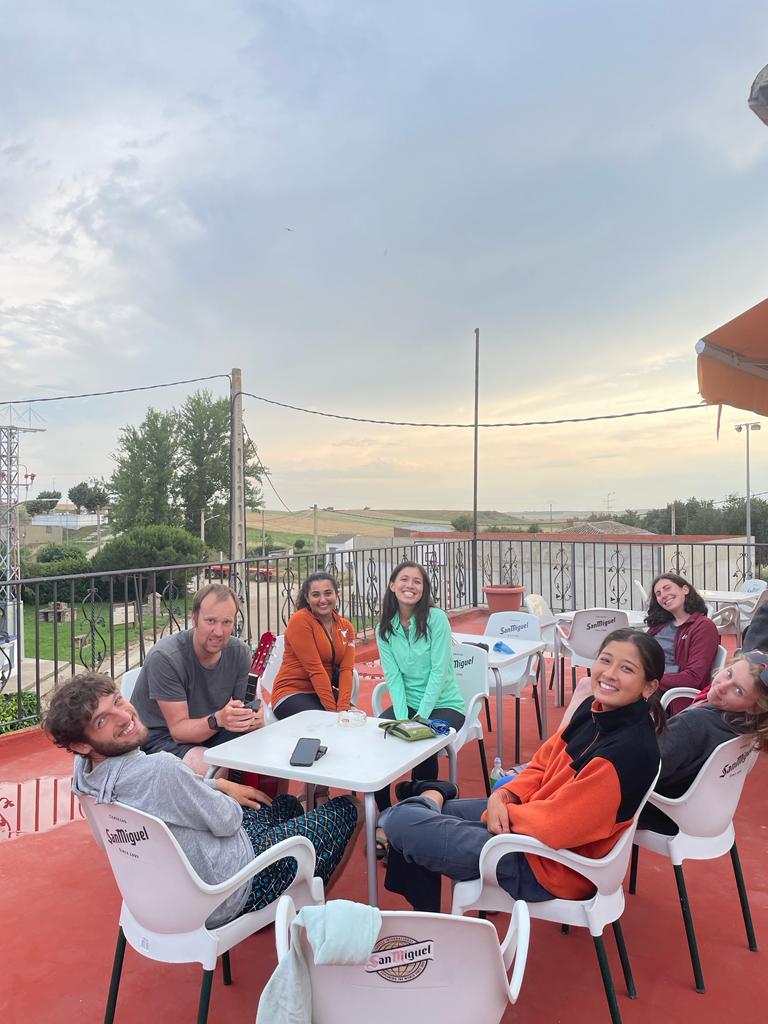
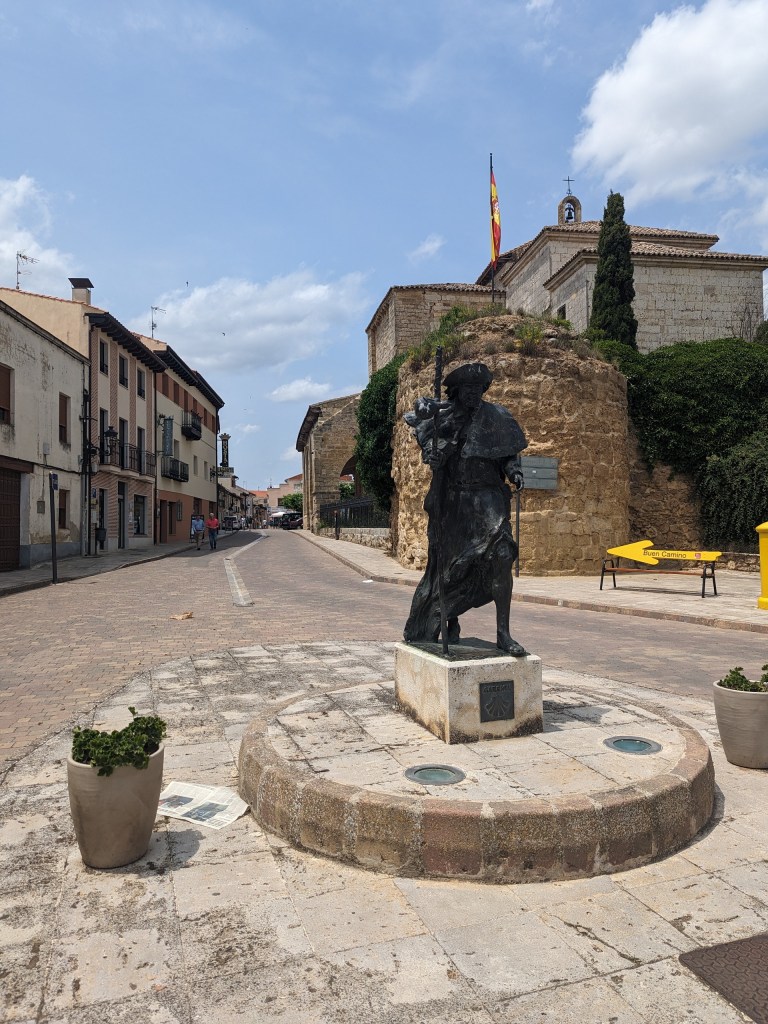
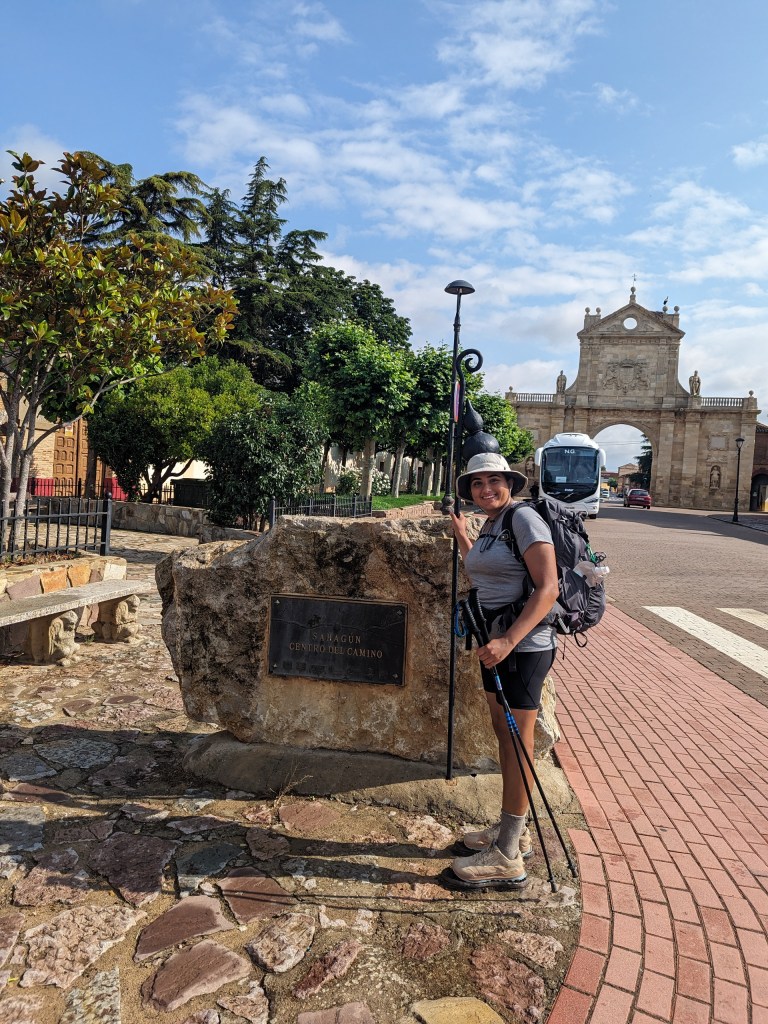
They say the first third of the Camino challenges you physically, the second third (the Meseta) challenges your mind and the last third challenges your spirit. While I think the entire Camino was physically challenging, I will say that around this time we were finding our rhythm walking everyday and able to spend more time socializing with fellow pilgrims and reflecting. Given we were often staying in very small towns with only a few albergues and restaurants it was easy to bump into our pilgrim friends at coffee or during dinner and really get to know each other well. We also passed some interesting landmarks like the ruins of the Convento de San Anton, the midway point of the Camino Frances in Sahagun and walks along Roman aqueducts.
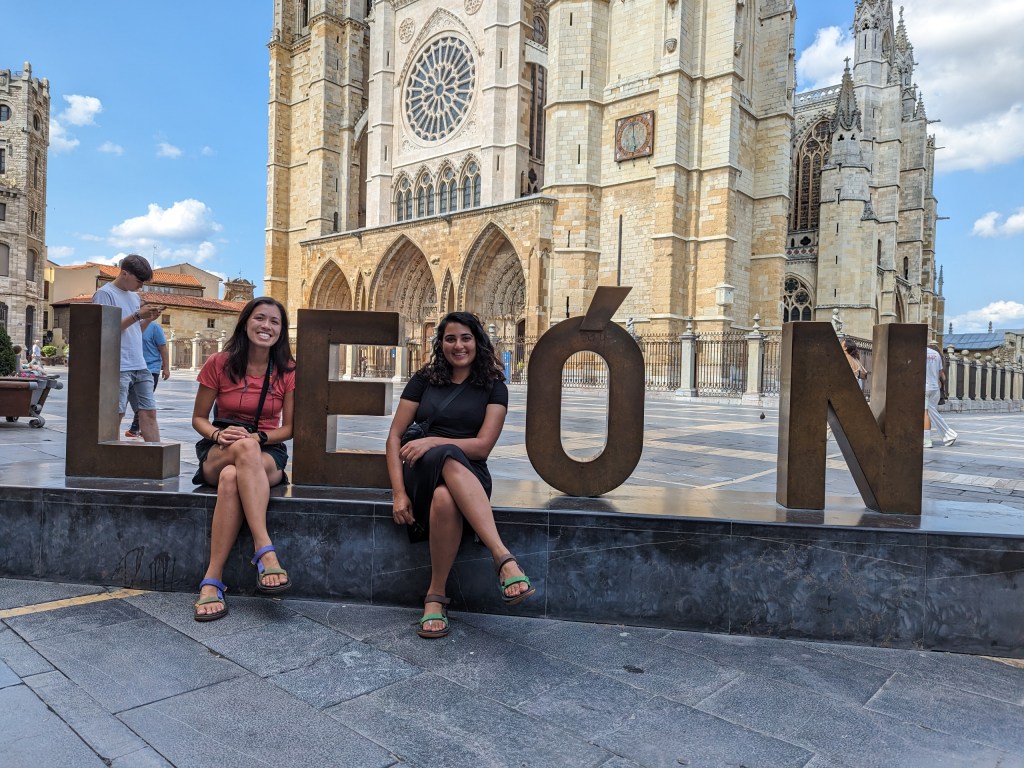
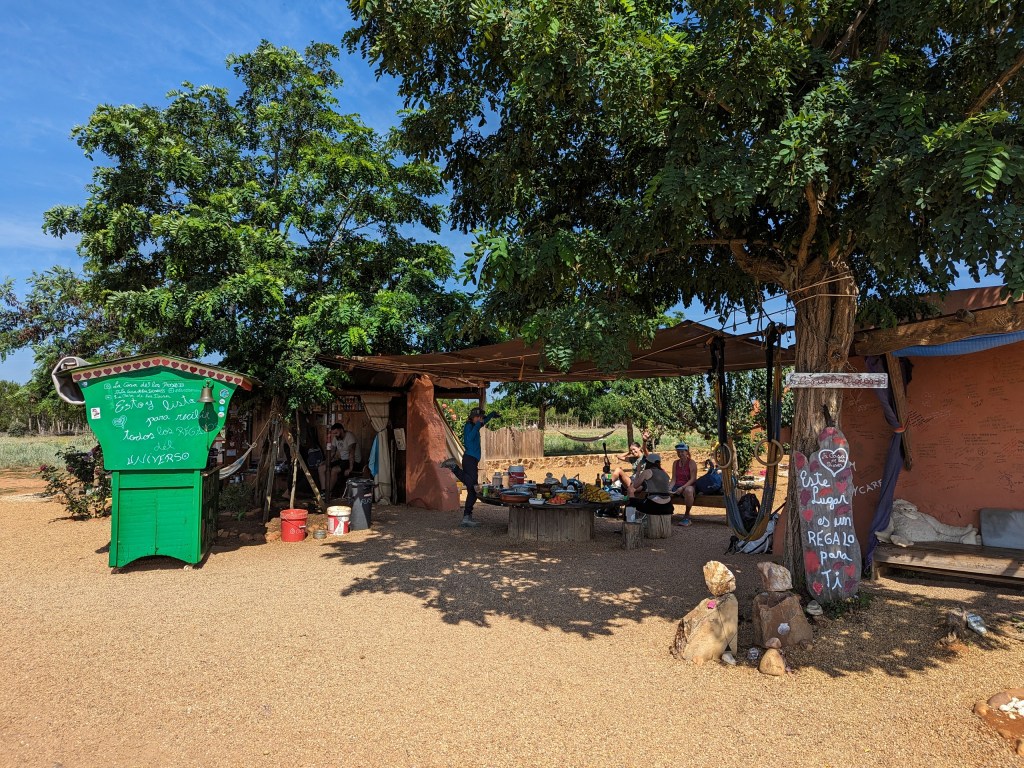
However, I started developing blisters after our long day into Burgos which eventually grew to covering the entire back of my feet making it extremely painful to walk. I ended up deciding to take a bus into Leon to give my aching blisters a break. It was a tough decision but I decided that I would rather skip the somewhat boring industrial walk into Leon to stay on schedule than take a day off in Mansilla de Las Mulas. After Leon a few days more of mostly flat walking were challenging with my blisters but they started slowly getting better. Another highlight right before Astorga, we passed the famous David’s place where a pilgrim sets out fruits, juices, and lots of other snacks for pilgrims passing through to enjoy and pay for based on donations. We ended up spending almost an hour here snacking, hydrating, resting in the shade and chatting with fellow pilgrims.




Cantabrian Mountains (Astorga-> O Cebreiro)
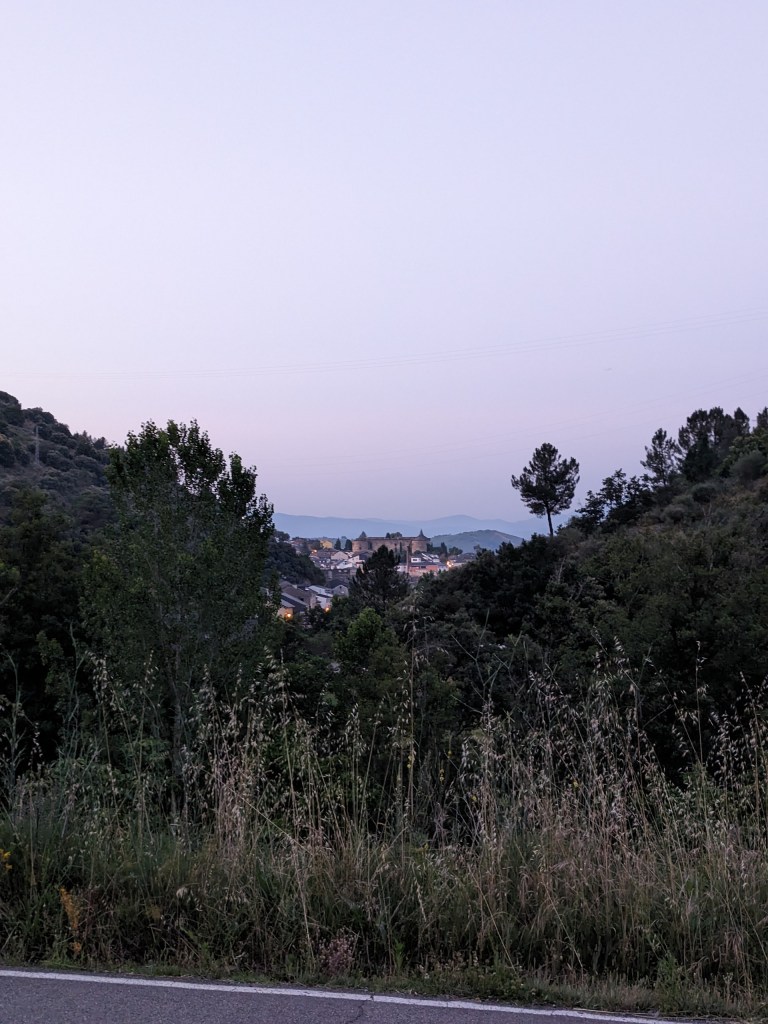
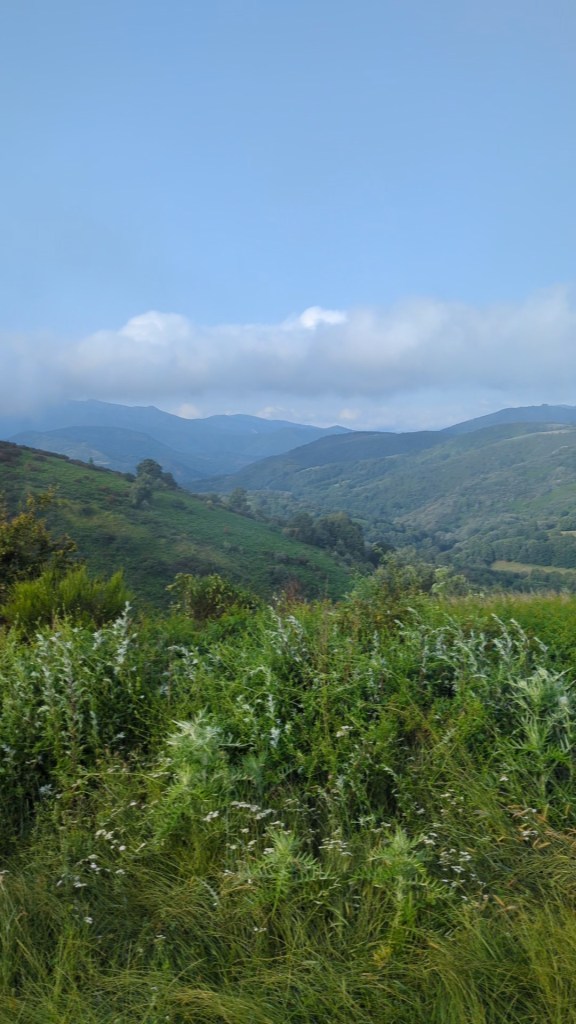
Tied with the Pyrenees this was my favorite section of the Camino. Not only did we get back into the mountains but this time we had stronger bodies, minds and a great group of Camino friends make the challenging ascents and descents easier. When we stayed in Foncebadon we visited a Pizzeria where they had dance lessons and we had a blast dancing despite our tired legs. Another highlight was walking up before sunrise to visit the Cruz de Ferro or the cross placed at the highest point of the Camino in time to watch the sunrise. Pilgrims bring a rock from home to place here at the base of the cross to symbolize leaving behind your sins or in memory of friends and family back home. This was probably the most emotional moment of my Camino as I thought about how far I had come to get to this point and the symbolism of this spot for pilgrims over the centuries. The descent from Cruz de Ferro was probably one of the prettiest walks as well as we came down the mountains and into the valley with the charming river towns of Molinasecas and Ponferrada.
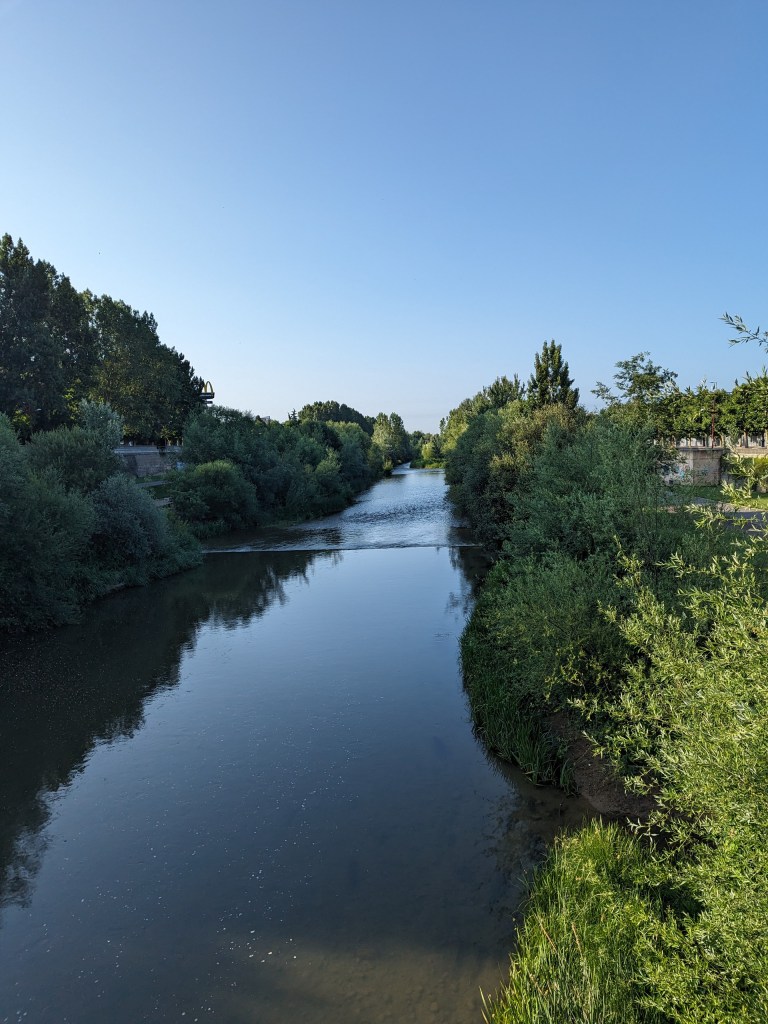
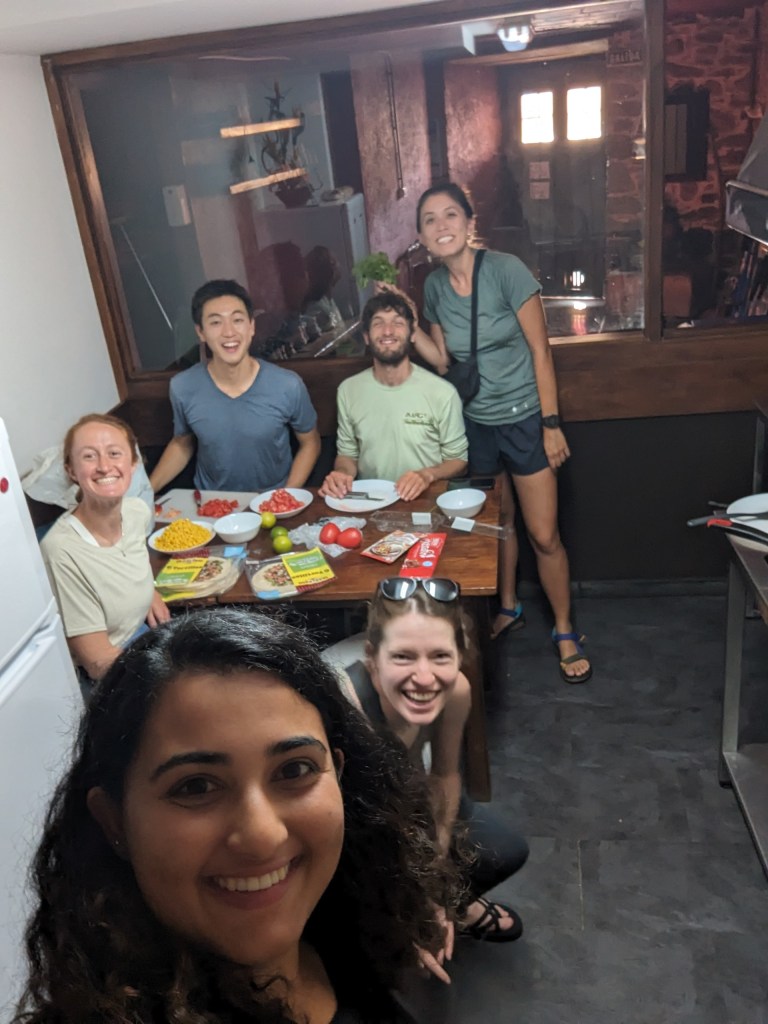
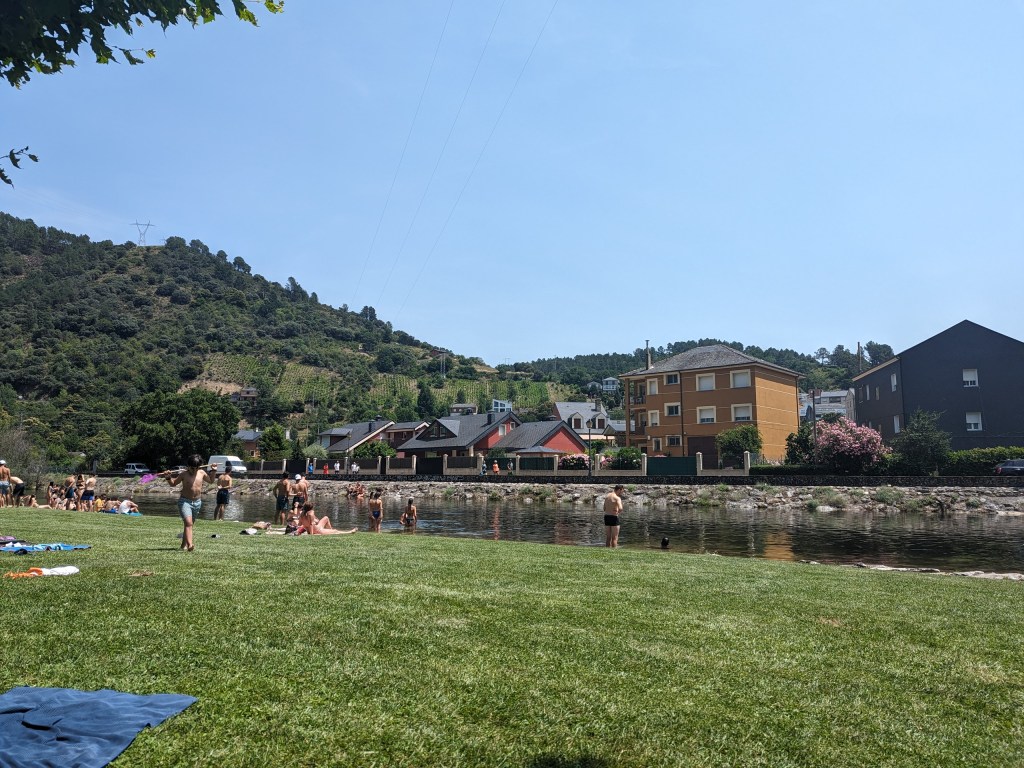
We also discovered one of our favorite concepts in Spain, the parque fluvial or a section of the river in the town that was turned into a fresh water pool. We had a fantastic afternoon swimming in the river after a long hot walk to Villafranca de Bierzo. We also cooked a few lovely communal meals with our friends which were some of my favorite dinners since we got cooked and ate together with some of our favorite people.
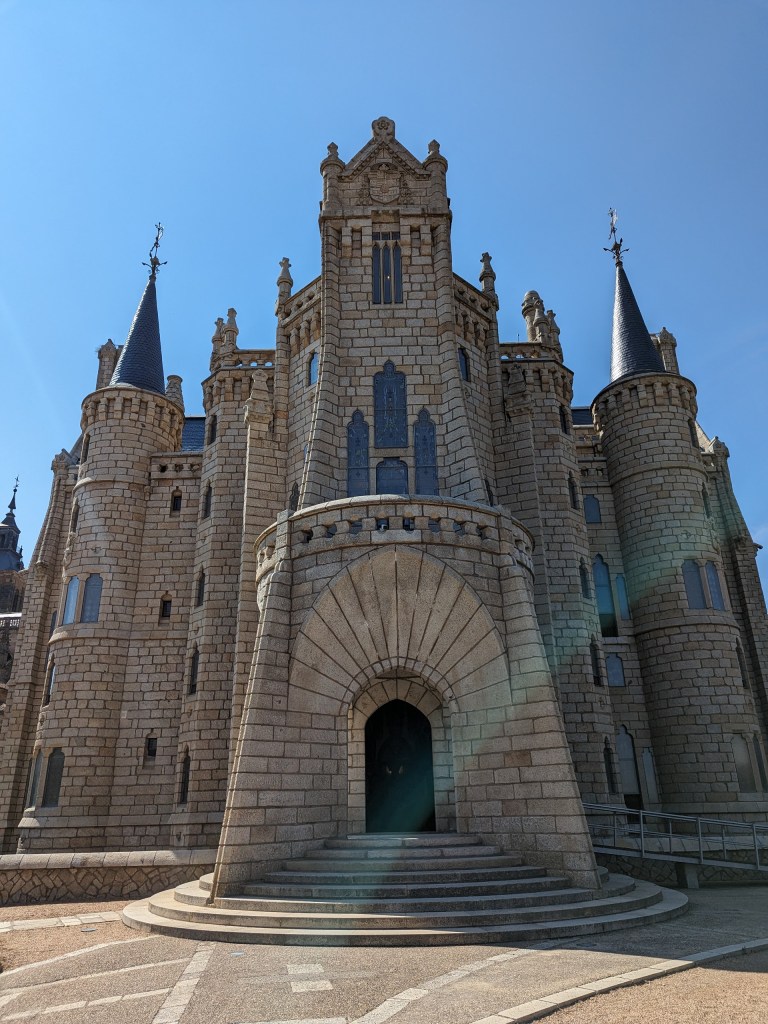


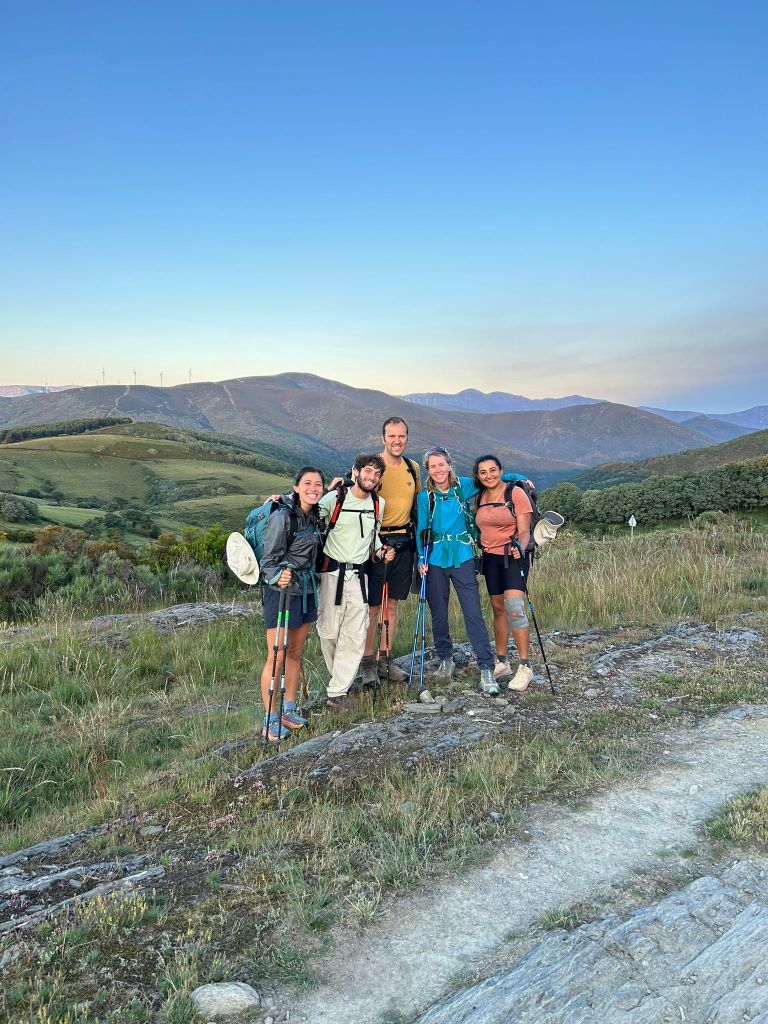

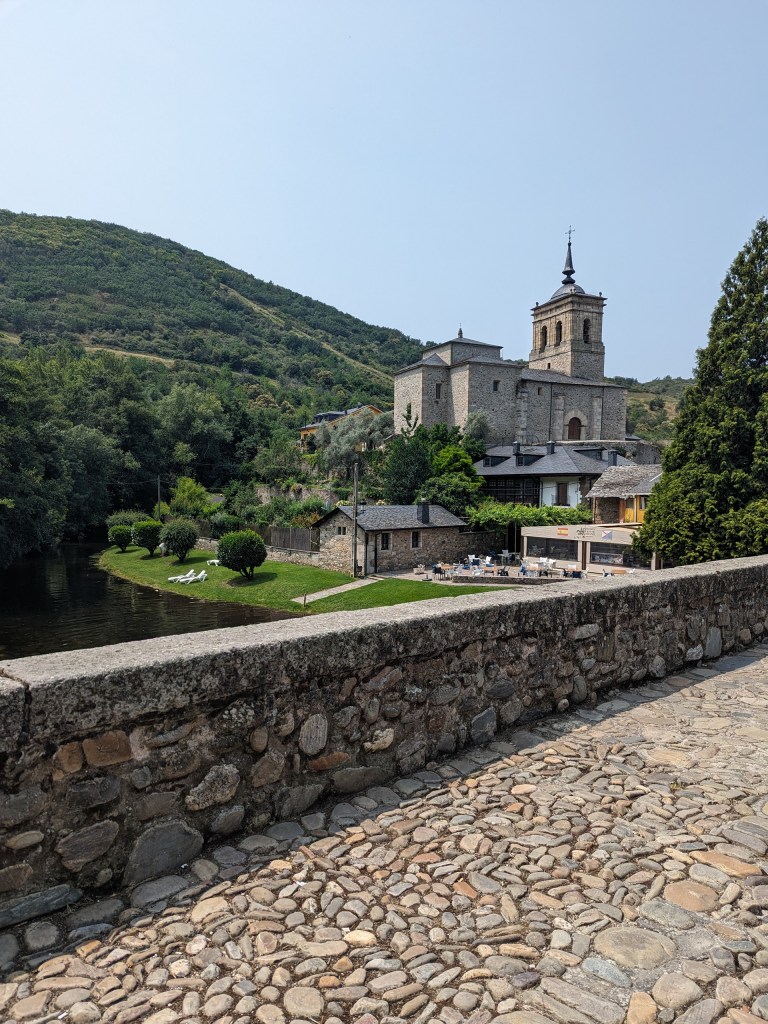
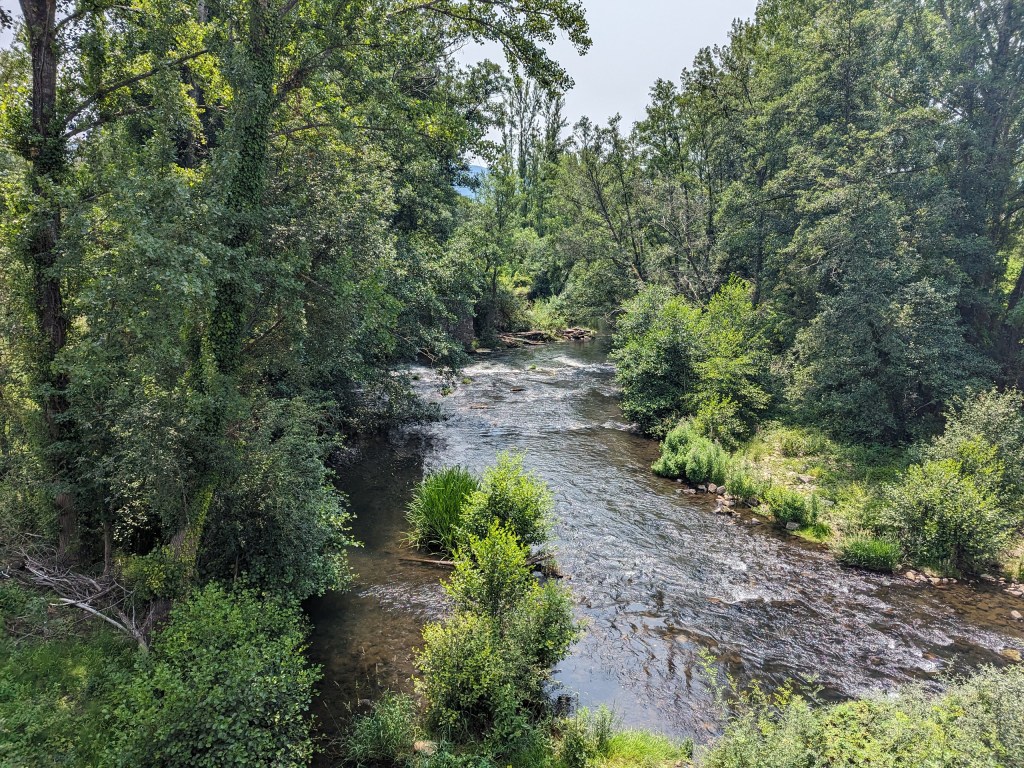
Galicia (O Cebreiro-> Santiago de Compestela)
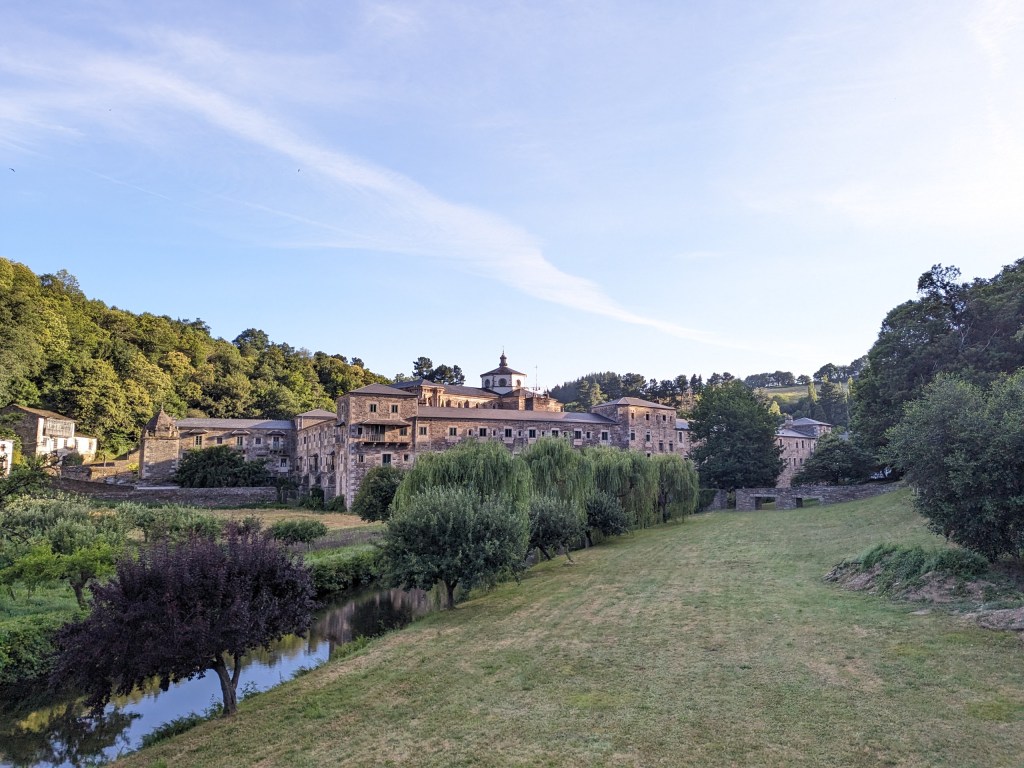
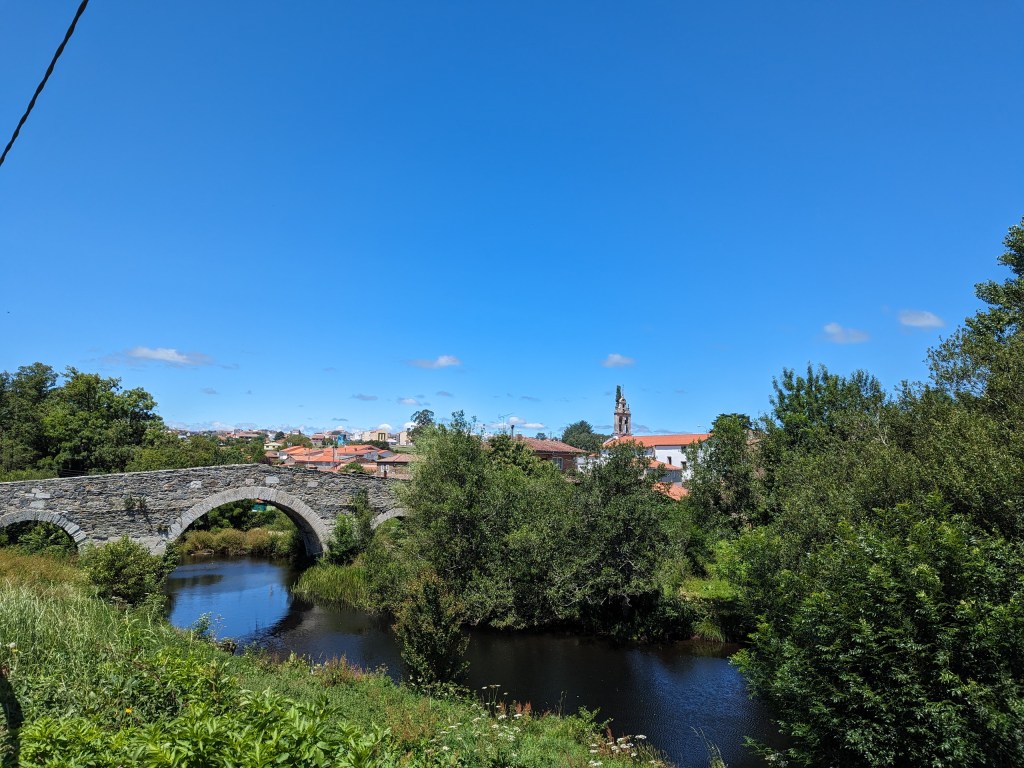
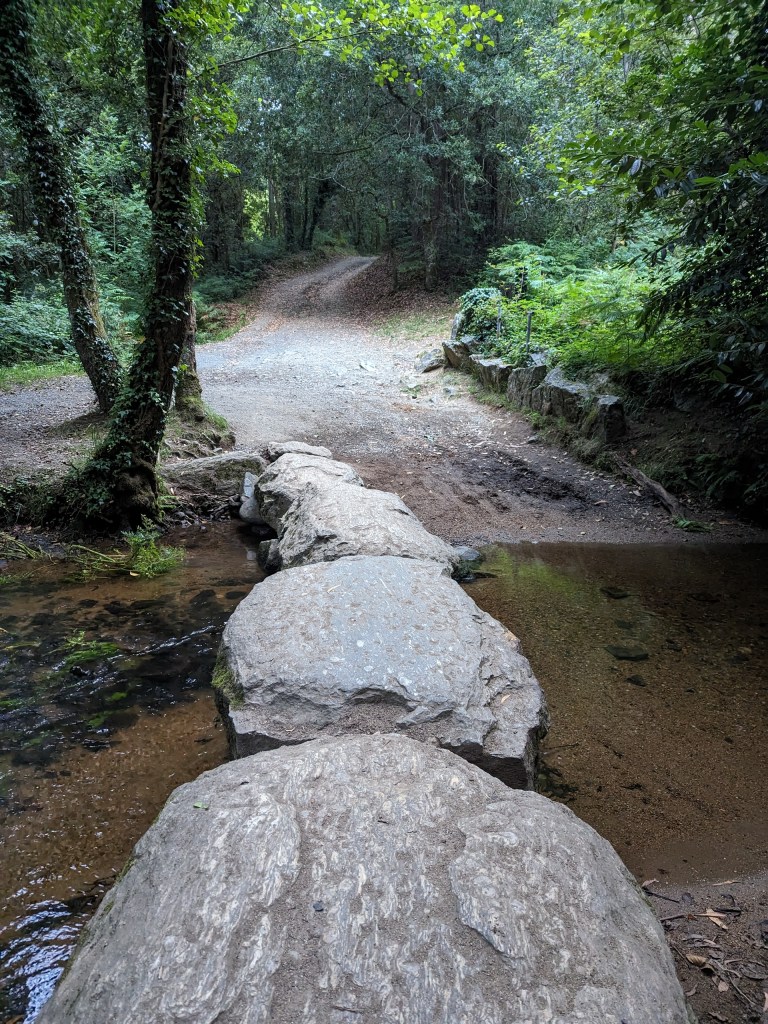
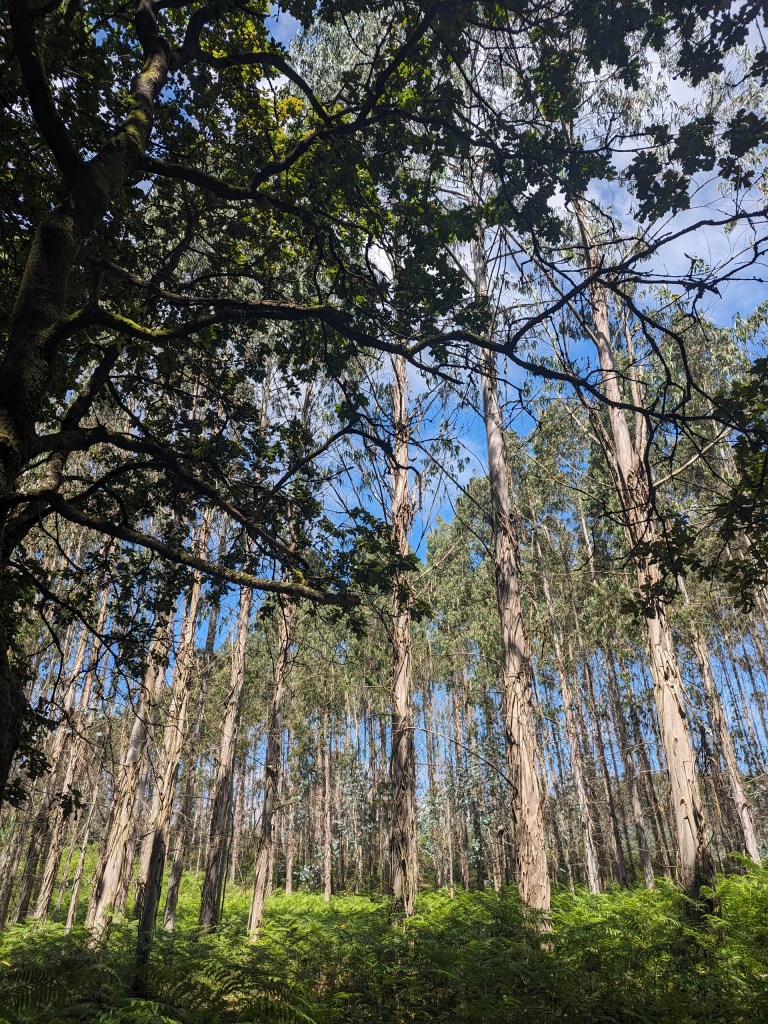
Once we passed into the province of Galicia I really felt like we were in the home stretch of our Camino. Since Santiago de Compostela is located in Galicia it really felt like the whole province was dedicated to the Camino. Galicia was settled by the celts so it felt very almost Scottish or Irish with lush green forests, stone houses and even bagpipe players. One of my favorite parts of this section was visiting the incredible Samos Monastery which is one of the largest and oldest Galician monastic foundations, whose origins date back to the sixth century. Although now there are only 12 or so monks staying there the building and artwork inside were beautiful.
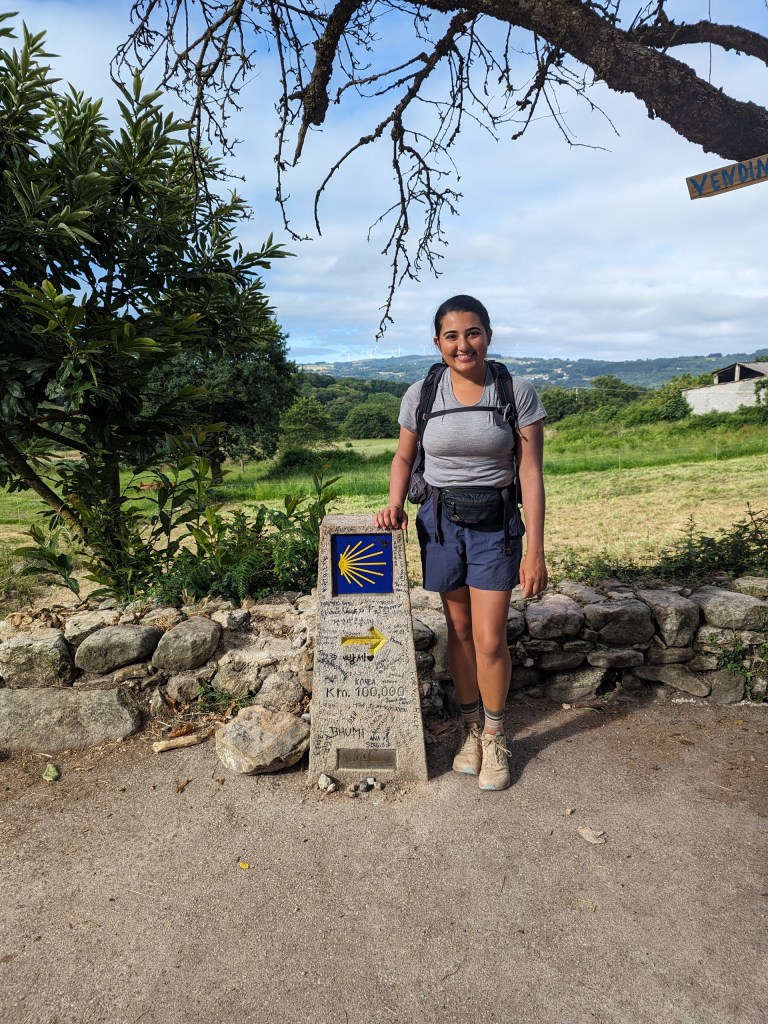
In Sarria, the trail became noticeably busier since many people walk only the last 100 km which is the minimum requirement to get the compostela (official accreditation of the pilgrimage to Santiago). There were several large school groups when we were walking since its popular for high schoolers in Spain to do the Camino as a resume item for college applications. While these groups could be annoying on the trail they also brought a certain energy that increased our excitement about reaching the end. We also were able to avoid the crowds by mostly staying in smaller towns instead of the more popular larger towns. The only day where I felt like it was really busy was our last day walking into Santiago which was to be expected and kind of fun to be a part of.
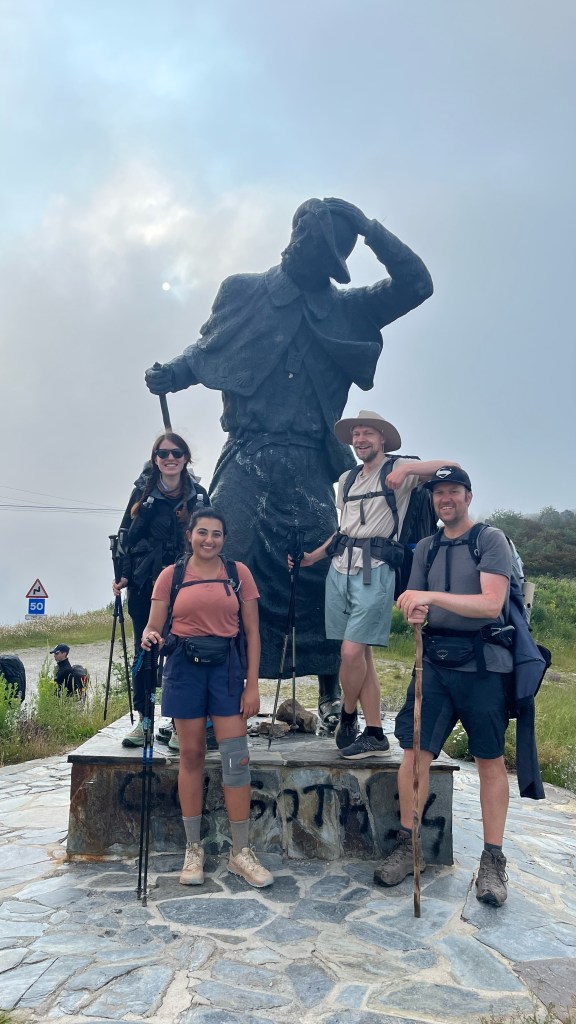




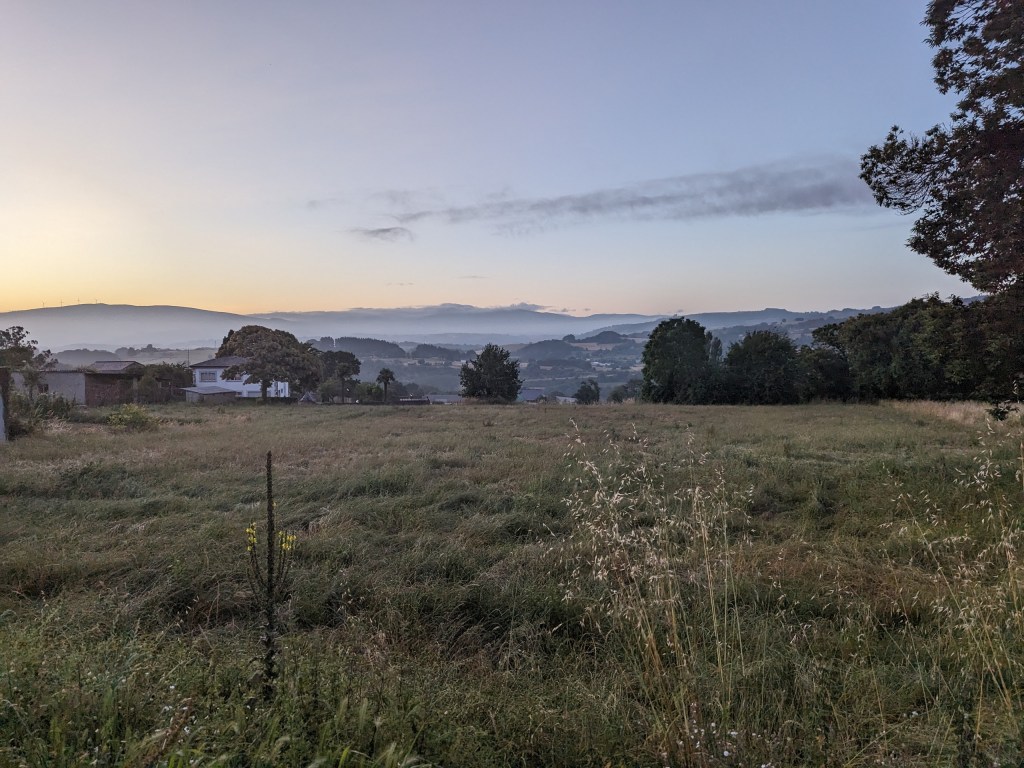
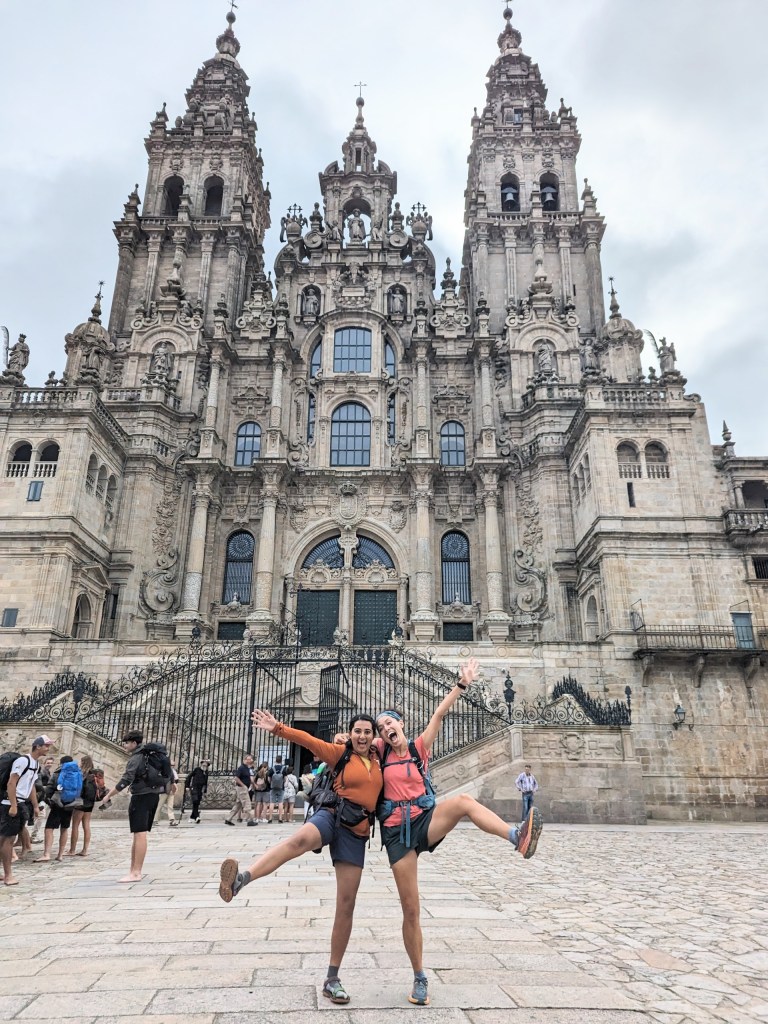
After we reached the Cathedral in Santiago I took about an hour sitting in front just processing the magnitude of walking 500 miles all the way across Spain. As I watched as other pilgrims arrived and celebrated their accomplishments I realized that I had joined scores of other pilgrims who had completed the Camino before me. It felt sort of like joining a club of extremely accomplished people. I loved seeing people we met and walked with through different moments of our Camino arrive and savor the moment.

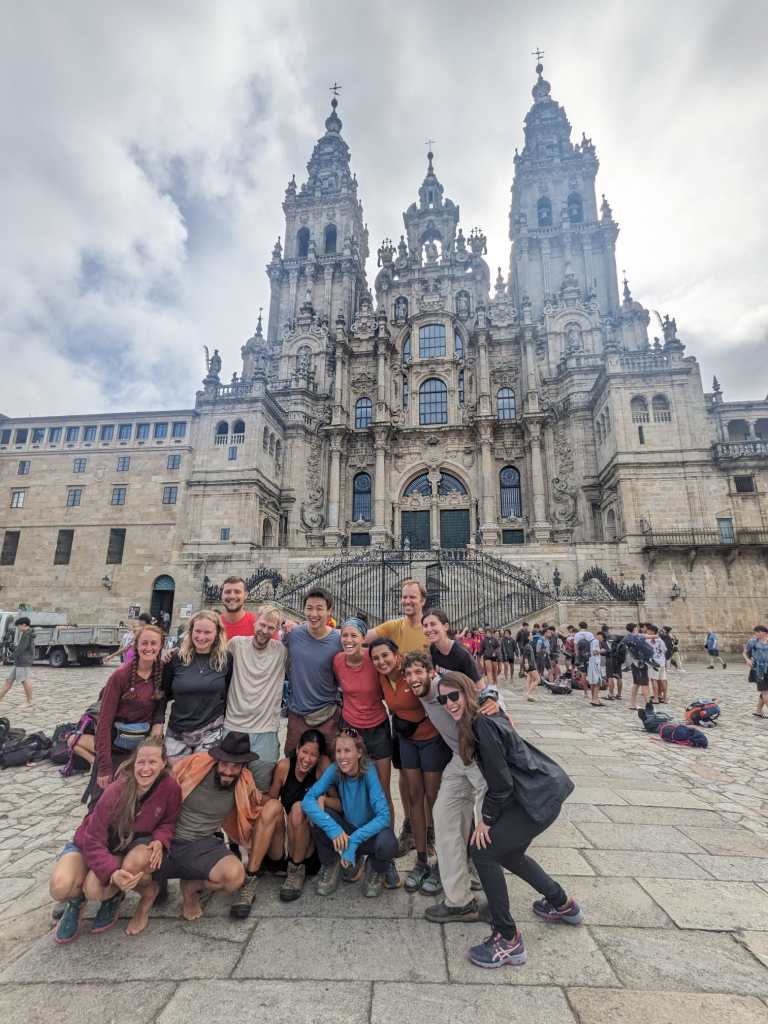
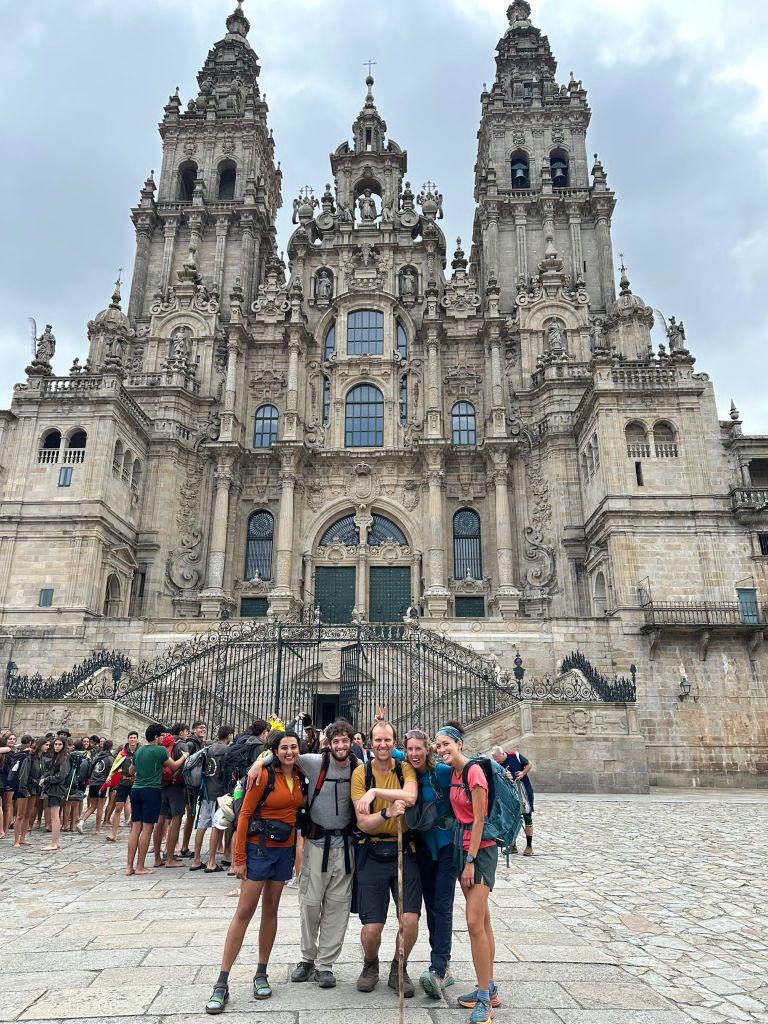
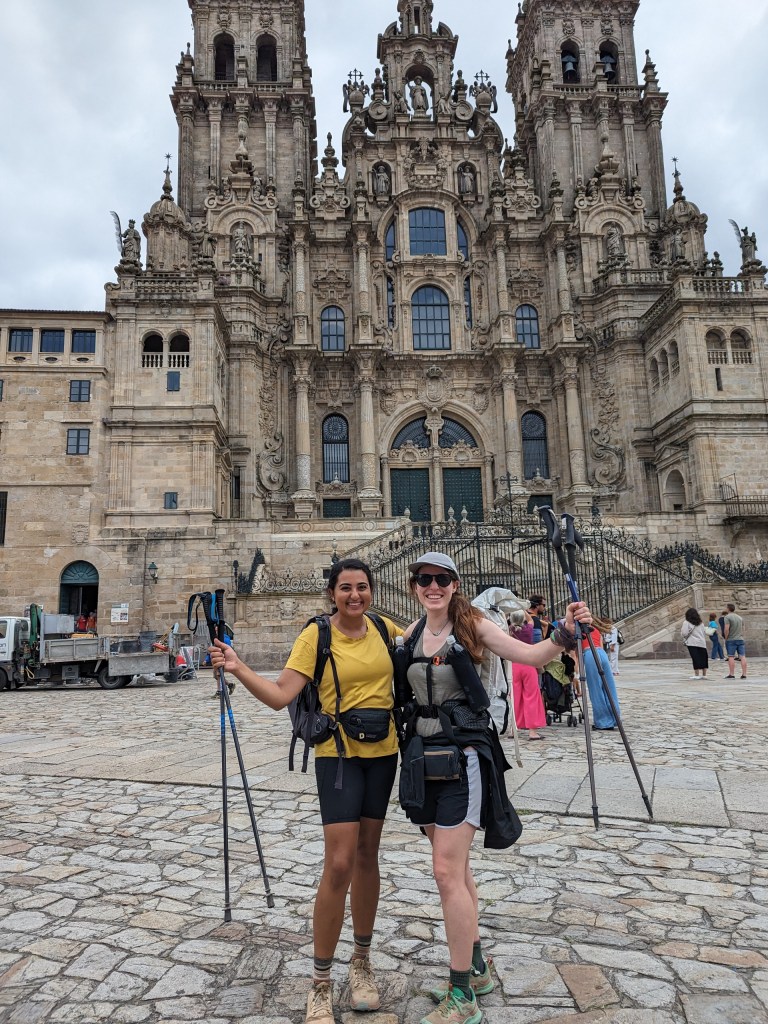

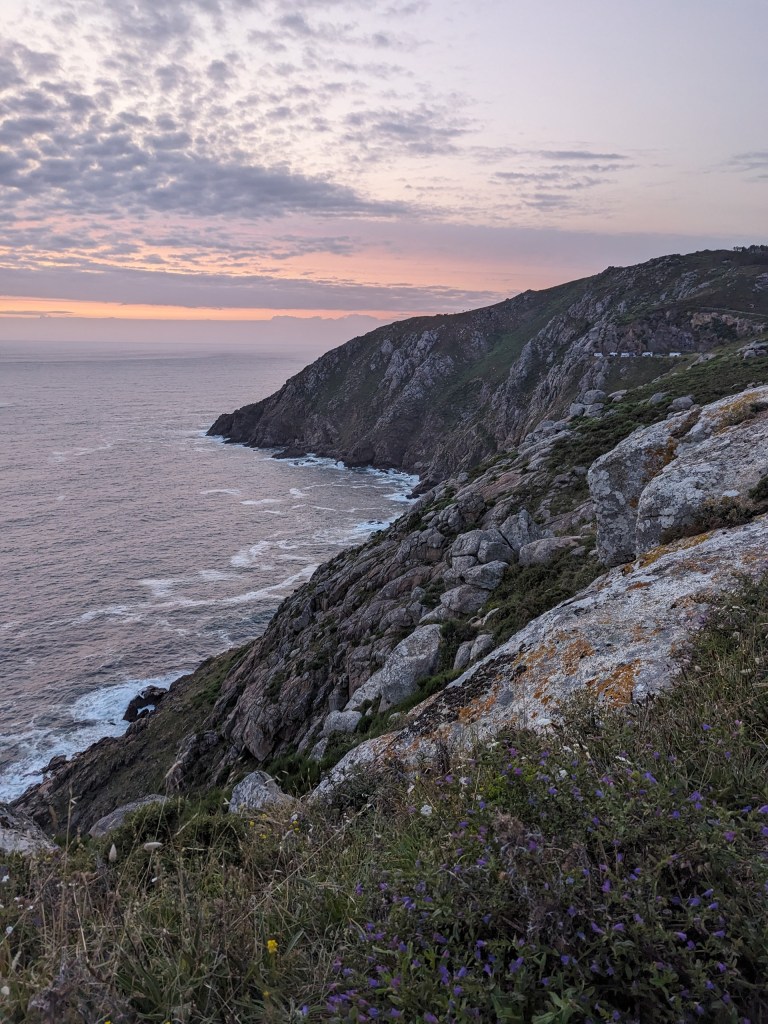
After finishing in Santiago de Compostela we planned to continue our walk all the way to Finisterre the point that was considered the end of the world before they “discovered” North America. This was supposed to be an additional 90 km of walking which we planned to do over 3 days. However, sadly I got a bout of stomach flu halfway through my second day of walking and had to taxi and bus the rest of the way to Fisterra. Despite not being able to walk the whole way I’m glad we went since I felt watching the sunset over the Atlantic Ocean was the perfect end to our incredible, life changing journey that started all the way in the Pyrenees.
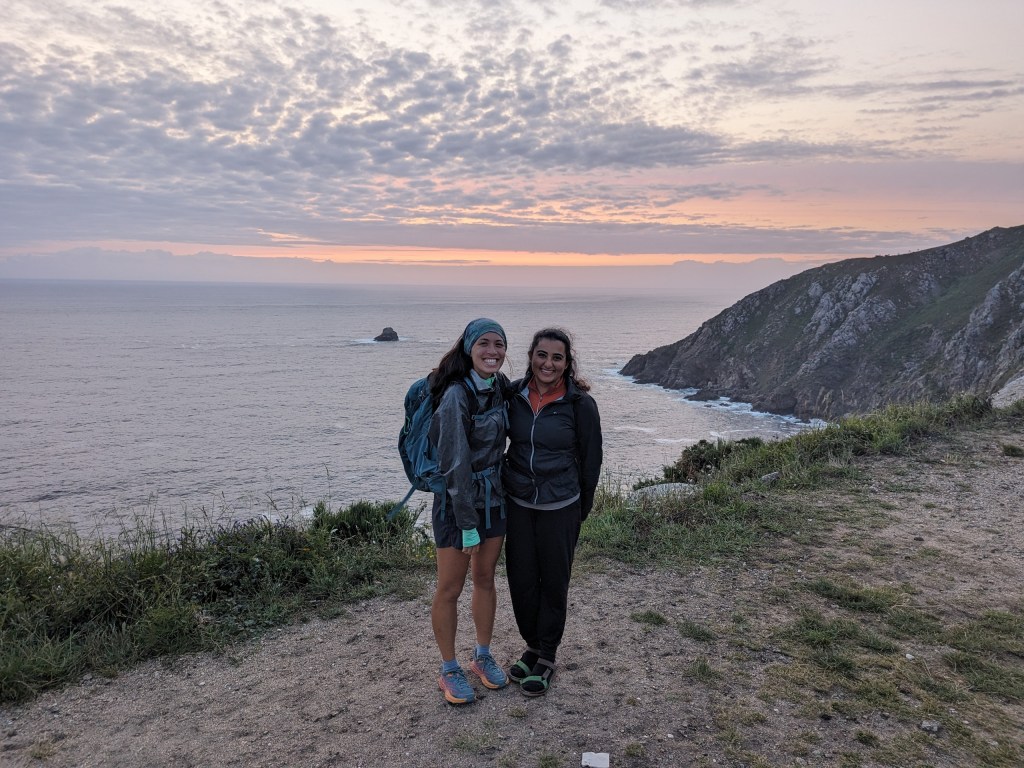


Here’s a link to our daily itinerary and packing list in case they are helpful for anyone!
 wanderworld
