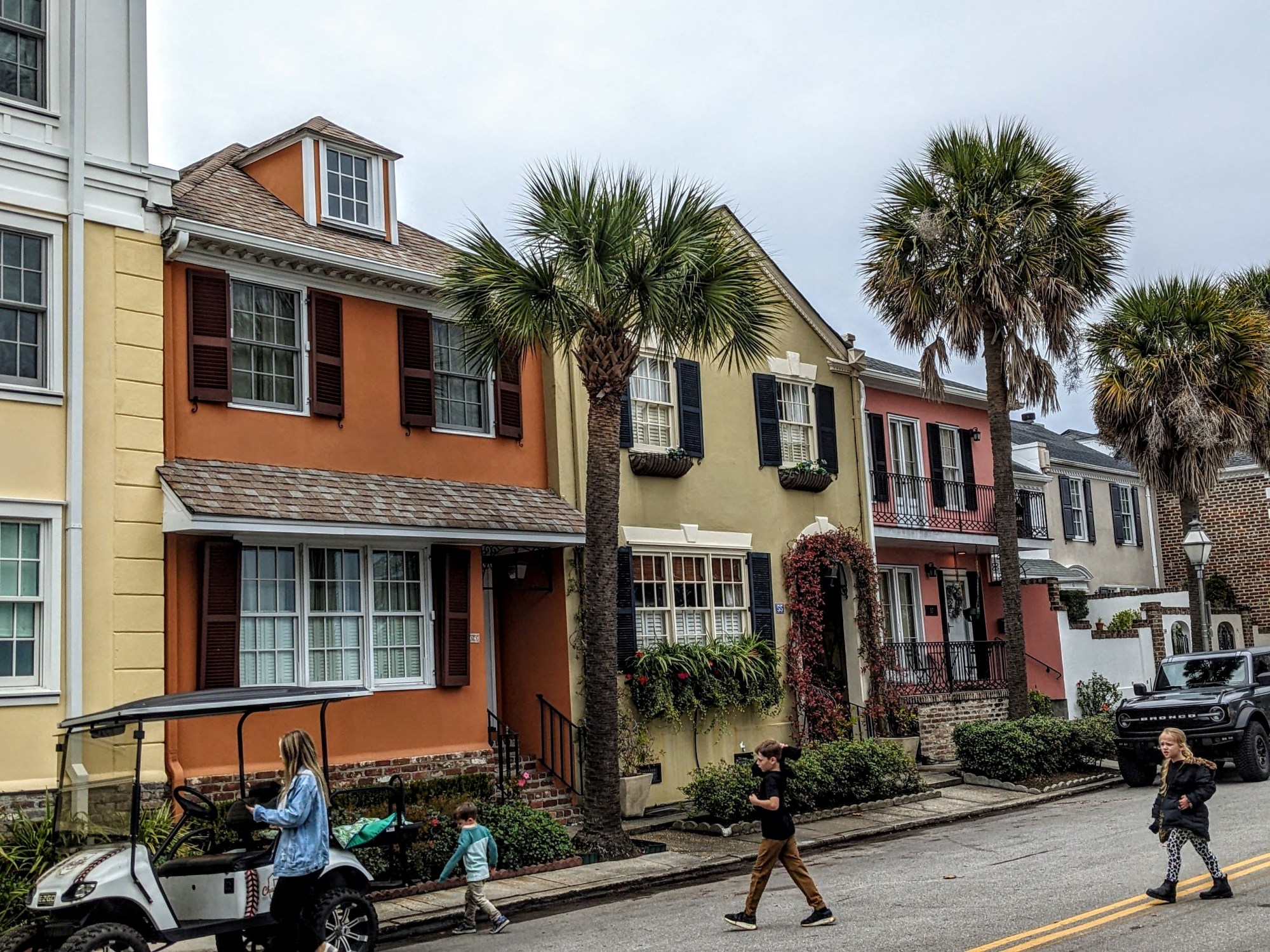
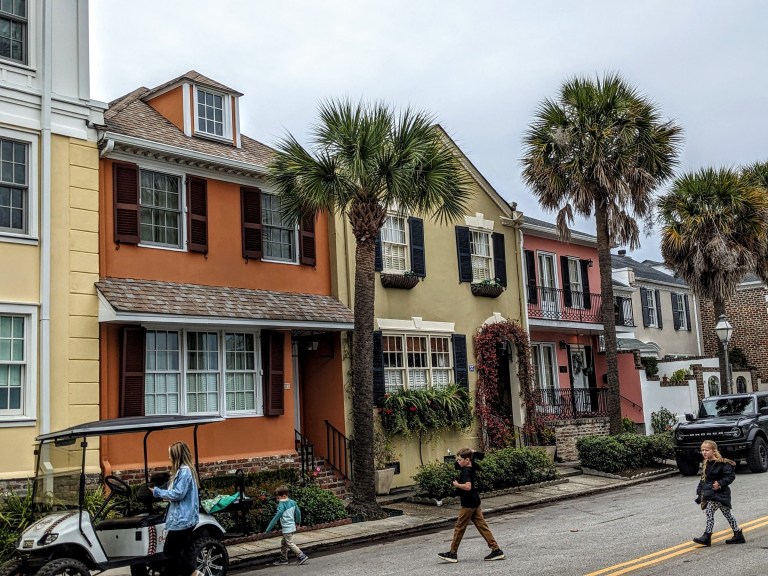
Despite living in South Carolina for eight months I never visited Charleston. So this year when I decided the flights back home to Austin were far too expensive I planned a friendsgiving in Charleston. We rented a house in North Charleston, about a 15 minute drive from downtown to save money and stayed for 3 nights. After having a fun hot pot night for Thanksgiving we spent Friday and Saturday exploring the city before heading back home.
Day 1 – Exploring Downtown Charleston
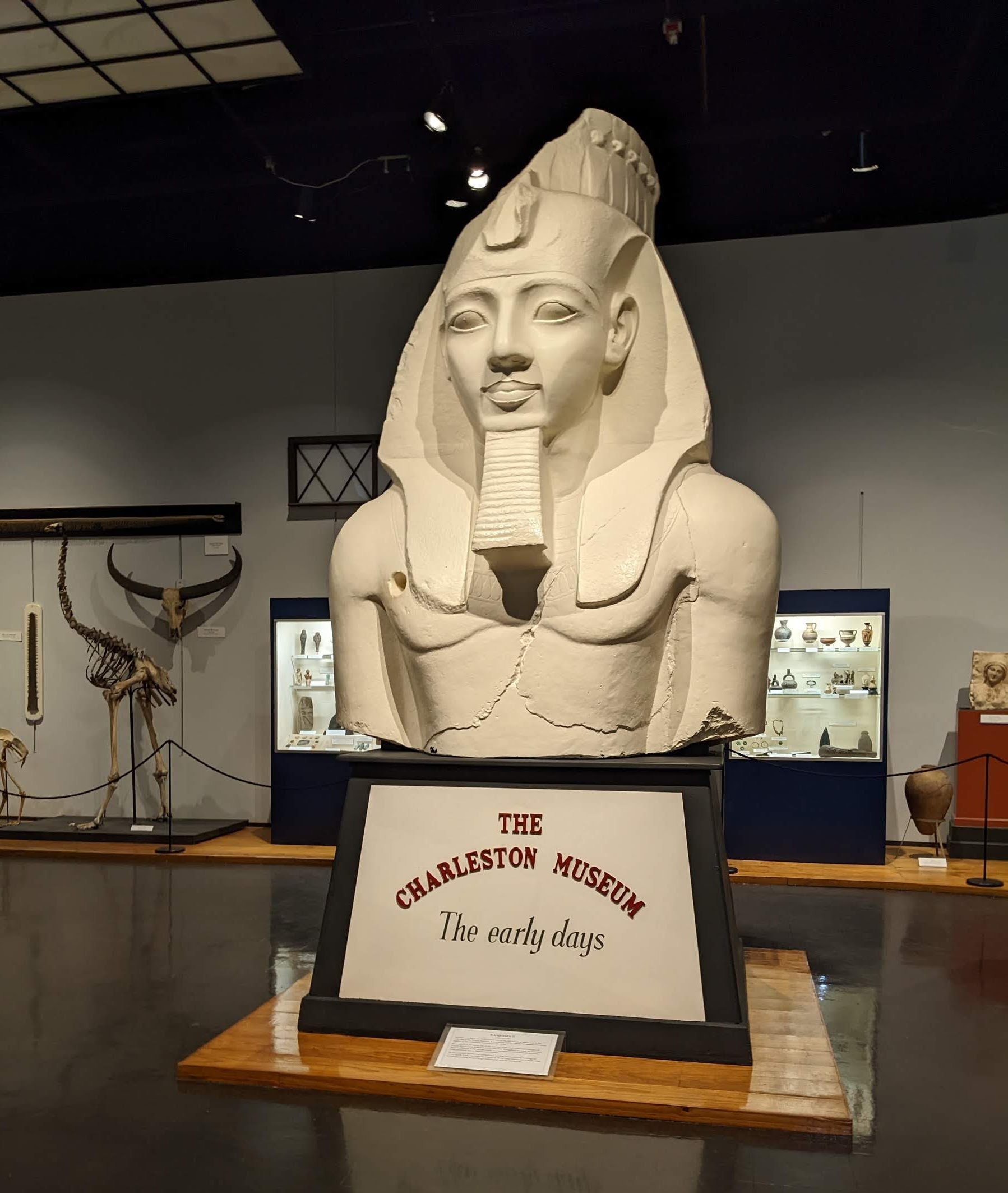
After grabbing some delicious coffee and pastries as Babas on Cannon we headed first to the Charleston History Museum. This museum was a great way for us to orient ourselves with the city. We bought the ticket that included a visit to the historic Heyward-Washington House. The museum exhibits started with the geography of the low country, pre-colonial native American populations to the first settlers, Port of Charleston and the civil war. It covered the history of enslaved people and native Americans which I appreciated. After the spending about an hour in the museum we walked about 20 minutes over to the Heyward-Washington House. Constructed in the early 1770s this house was owned by Thomas Heyward, Jr., a signer of the Declaration of Independence and Revolutionary War Veteran. This house gave us a good idea of what a wealthy family house would have looked like in that era; ventilation, slave quarters and chamber pots included.
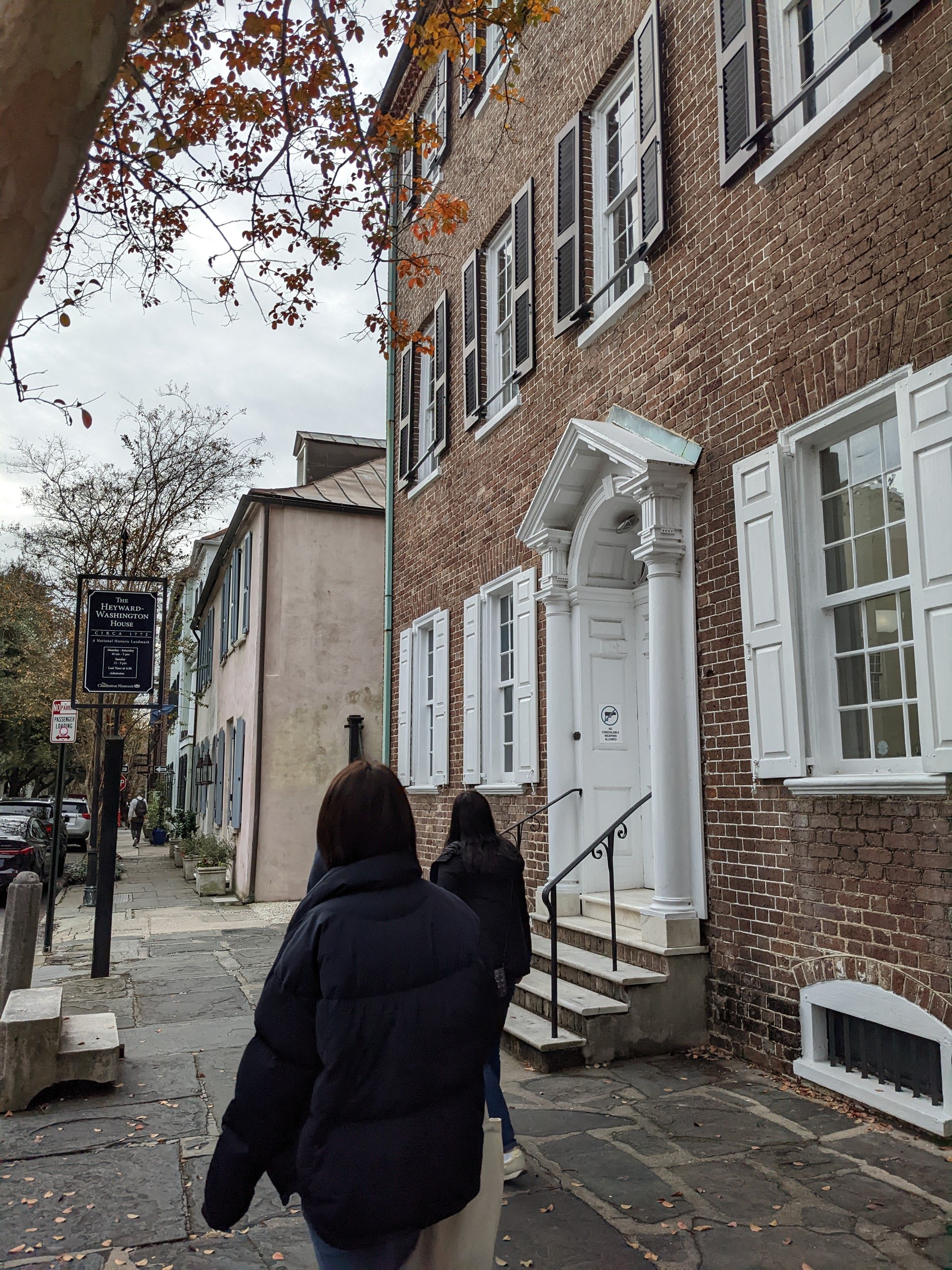

After visiting the House we decided to walk over to Rainbow Row, a series of waterfront pastel-colored houses and one of the most photographed spots in Charleston. While the Rainbow Row may be some of the most famous houses this whole area of Charleston has many historic Georgian houses and it was magical walking around. Afterwards we walked around the Waterfront Parkway and visited the Pineapple Fountain. Built in 1990 only a few months after devastating Hurricane Hugo. Despite not being local to Charleston, the pineapple is a popular symbol used throughout the city’s history and the current signature mark of Charleston. Pineapples were difficult to come across for Charleston citizens in colonial-era America and became known as a delicacy. If a host offered you a pineapple as a guest it was seen as the ultimate act of hospitality.

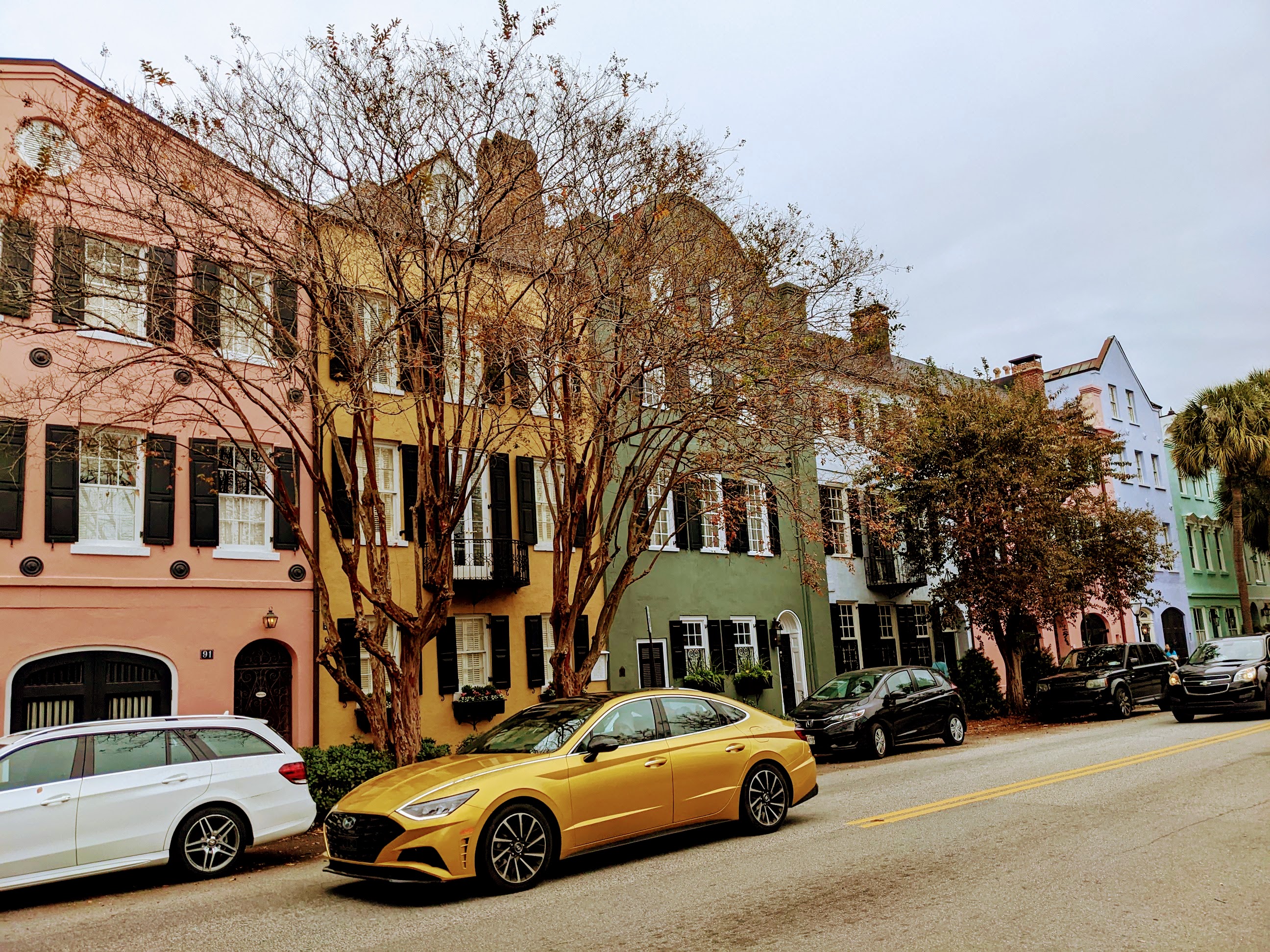
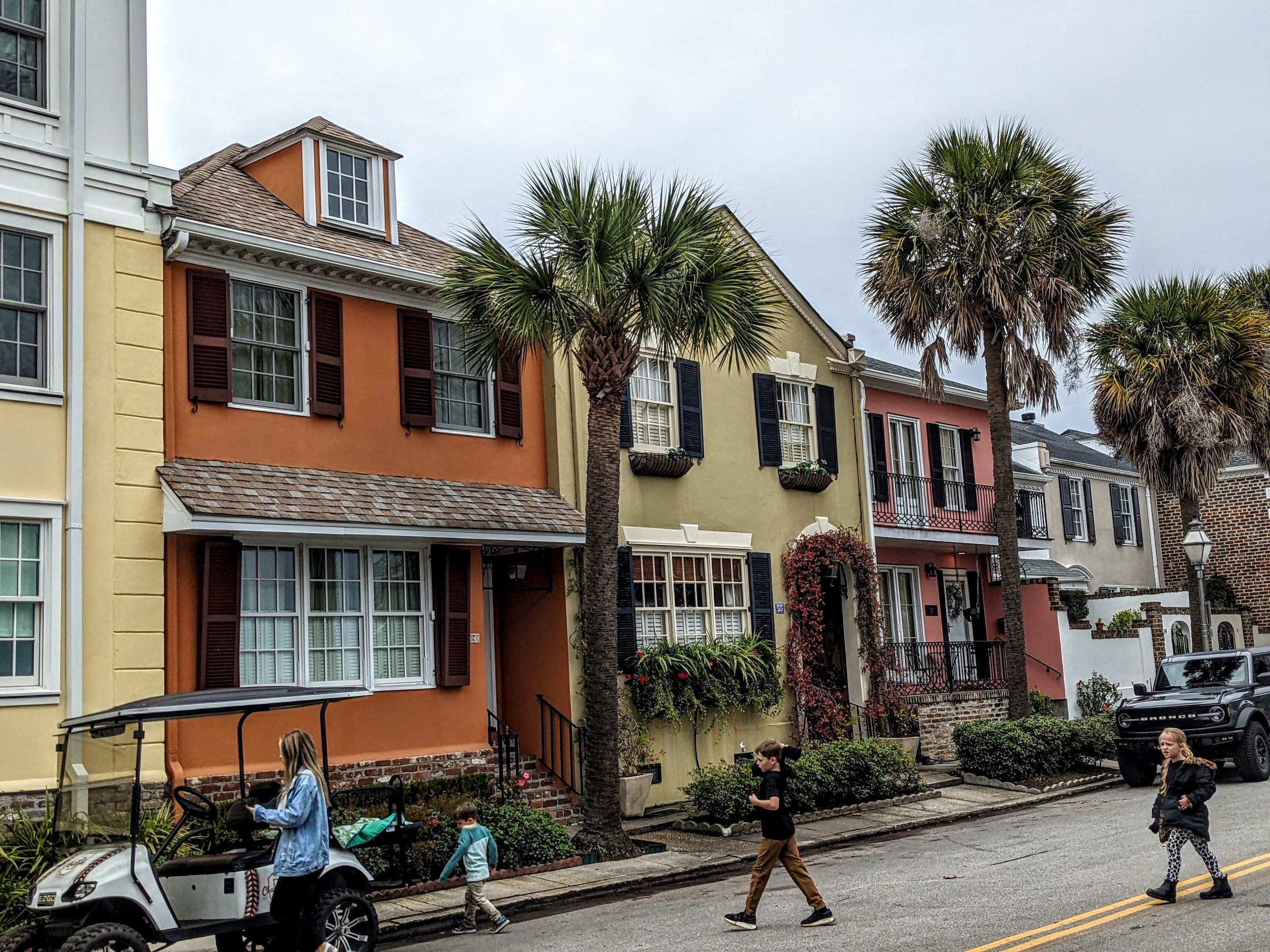
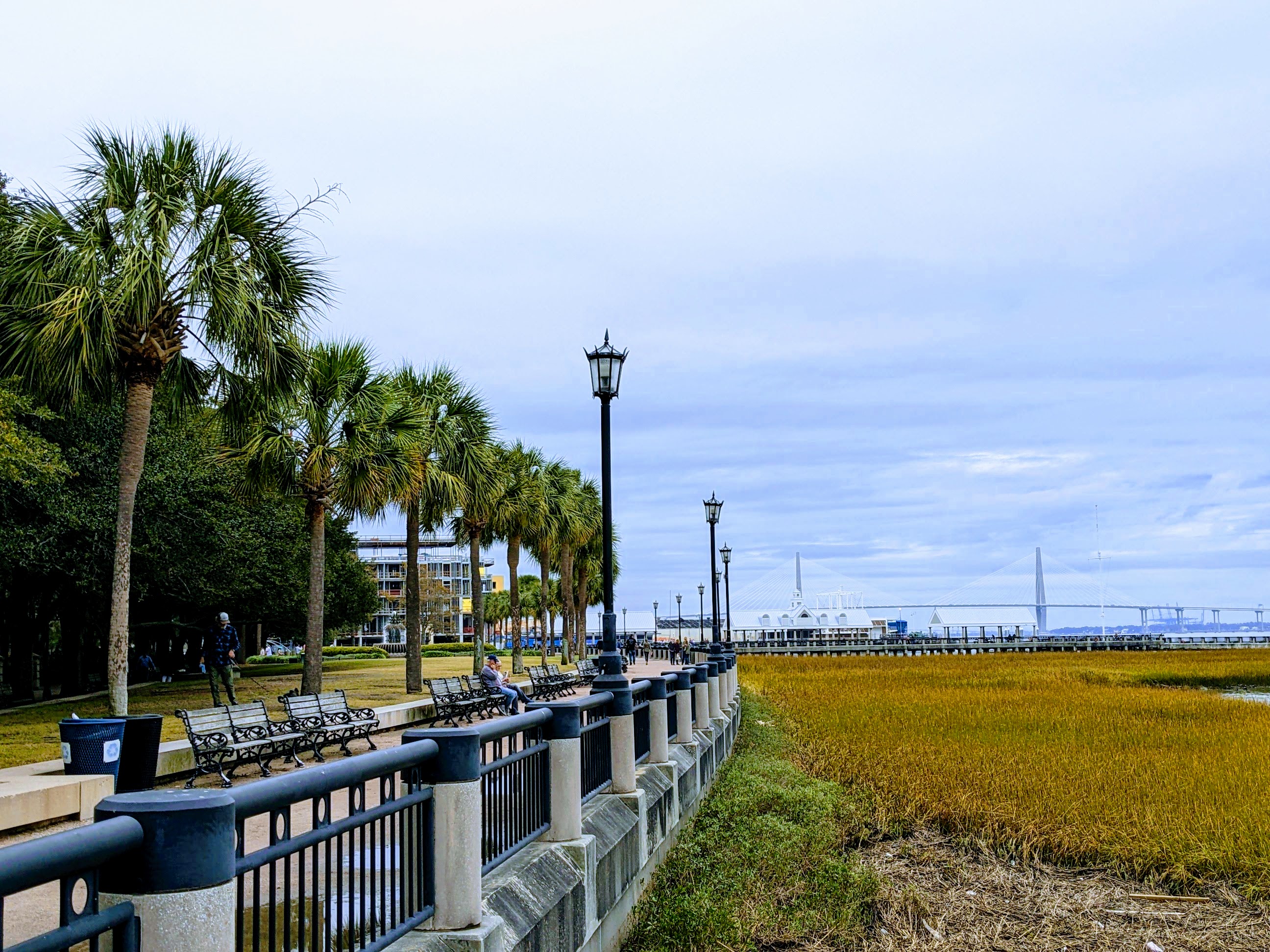
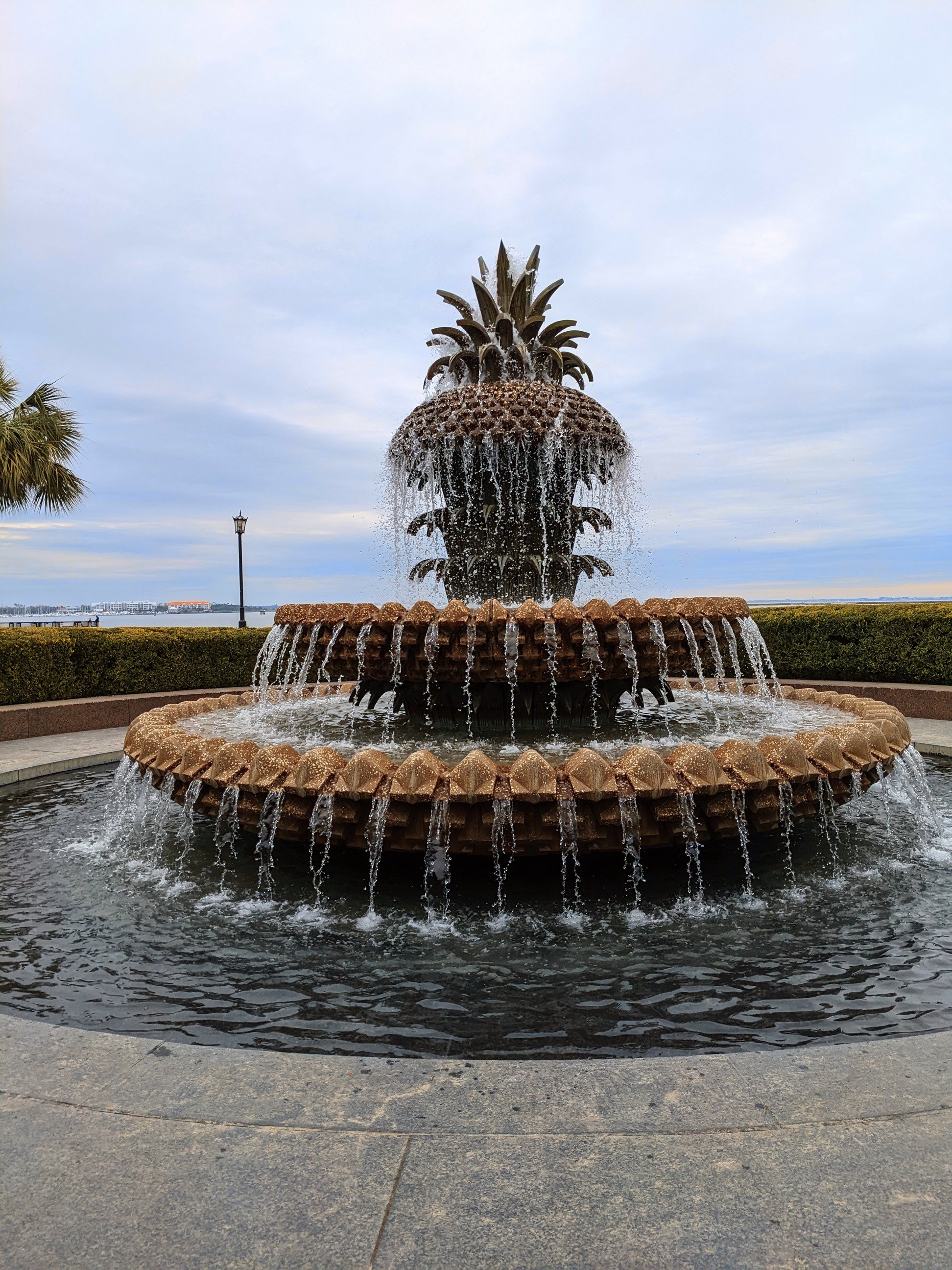
After the waterfront we walked to lunch through the Charleston City Market where there were many artisans and small businesses selling crafts, artwork and sweet treats. Luckily because we were so late we could get a table at Magnolia’s with just a short 15 minute wait. Most of the restaurants we tried to pop in for lunch at were busy or the menus were not very vegetarian friendly. After lunch we visited The Battery to see some of the most incredible houses before heading back to our airbnb.
Day 2- Magnolia Plantation and the Beach
Since we spent all of day 1 around downtown Charleston for Day 2 we decided to explore the surrounding areas. First we headed to Magnolia Plantation. Since Magnolia was never very large plantation and has been a public garden since 1870 I felt a little less guilty visiting. We started with the Slavery to Freedom tour that talked us through the history of enslaved people at Magnolia through restored cabins that represented how families that worked there would have lived throughout time, from the 1850s through the 1990s. After the tour we spent time wandering through the gardens which were truly magical with Spanish moss hanging from beautiful old trees.
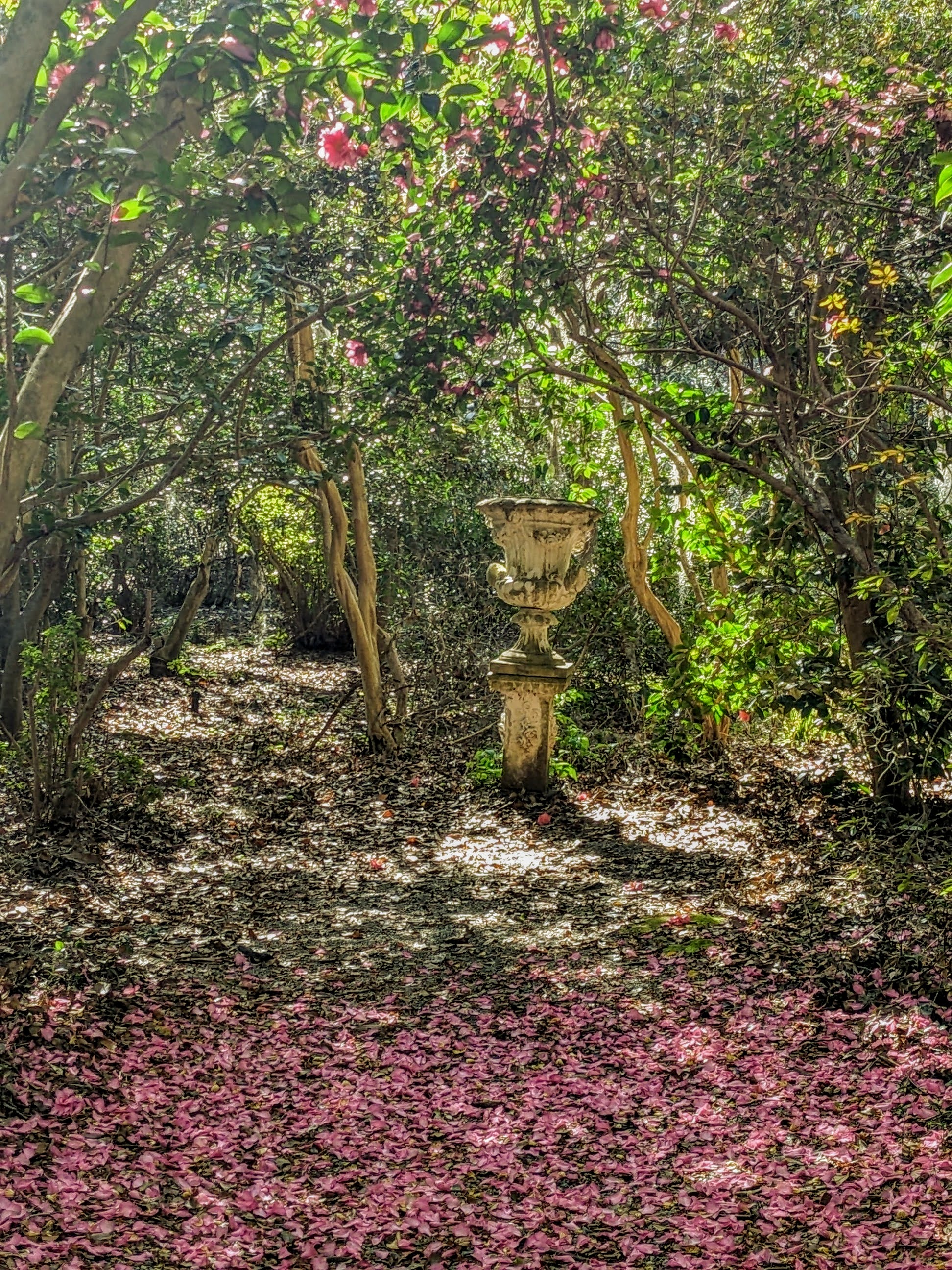
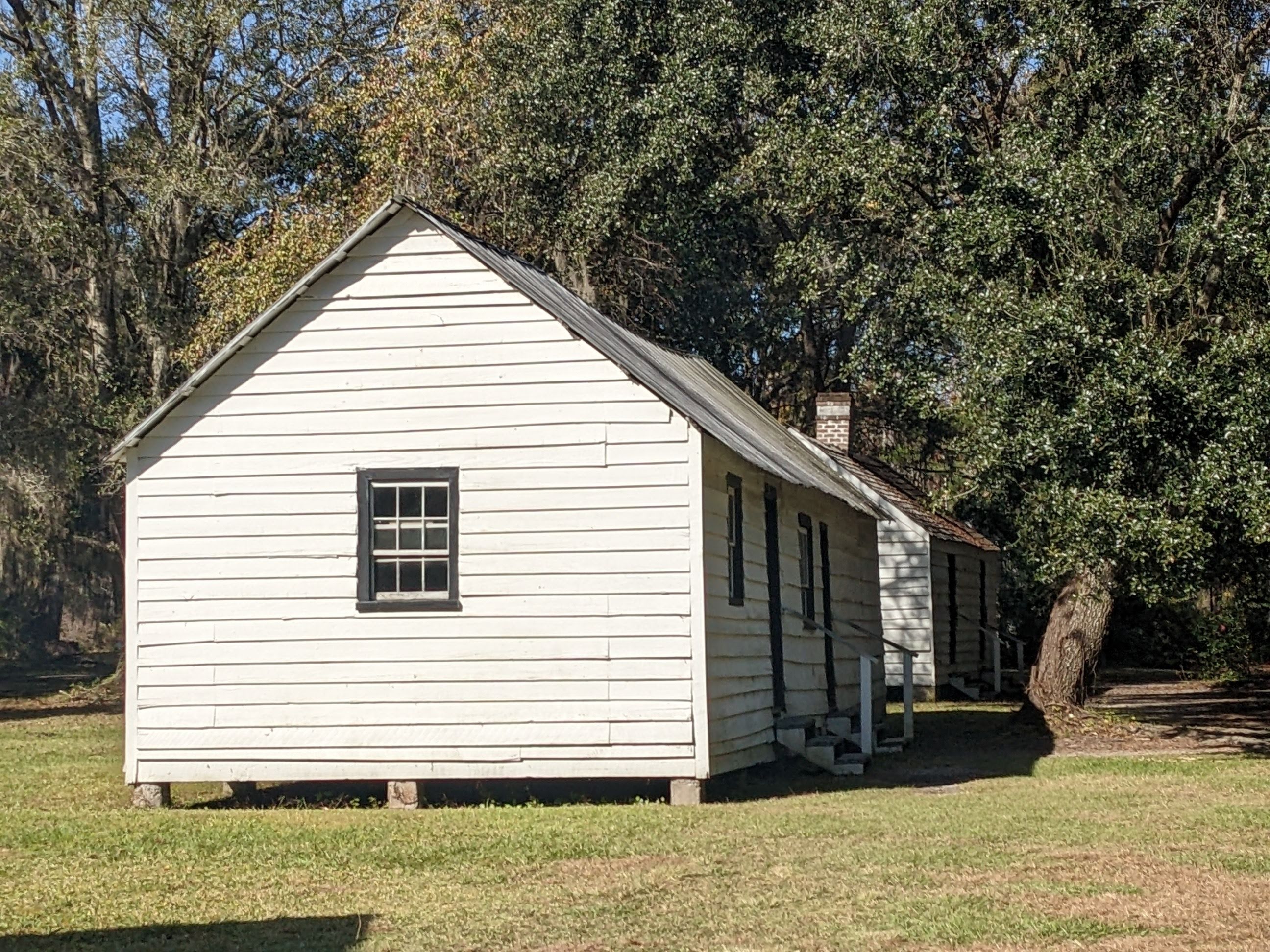

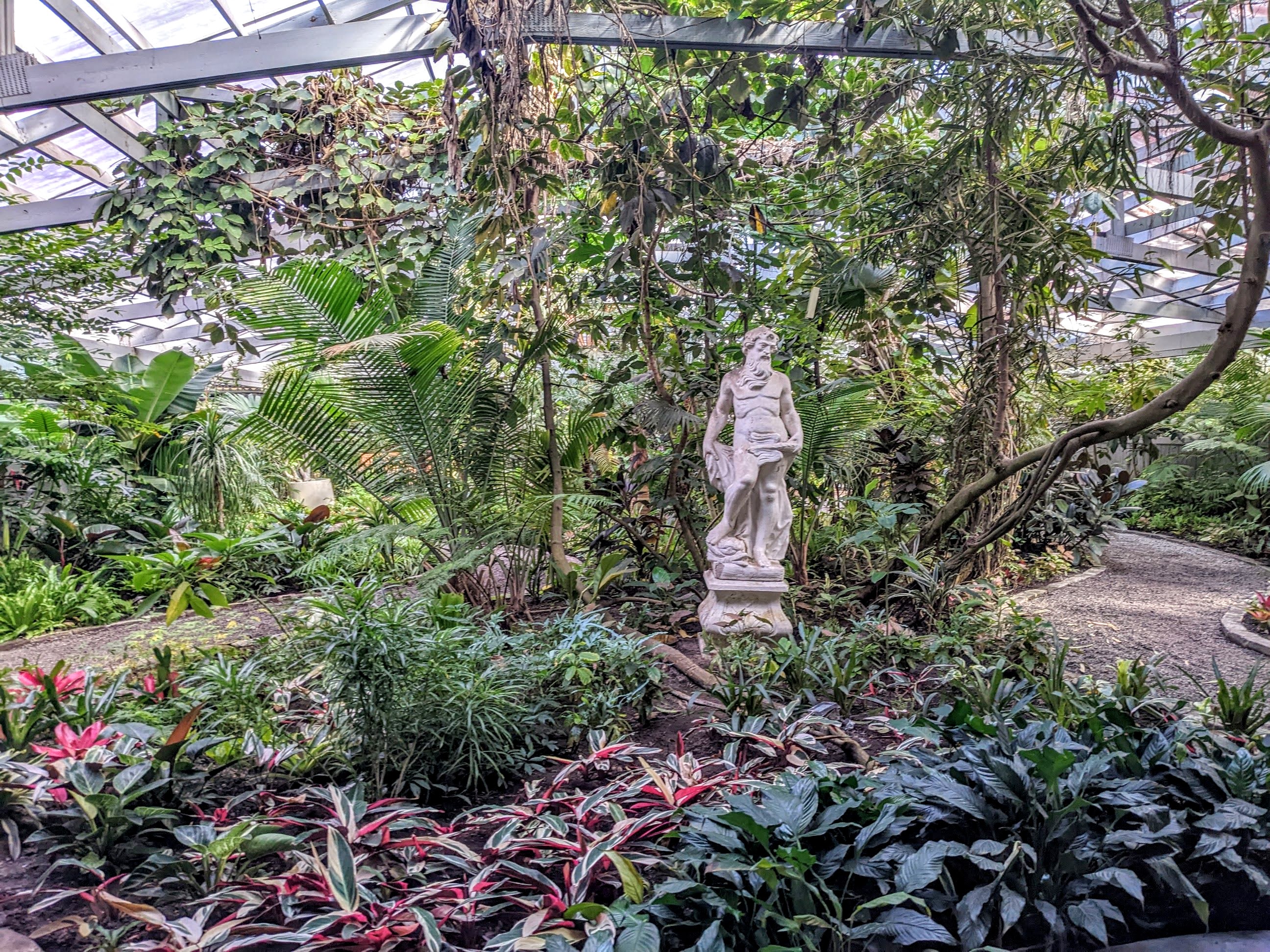
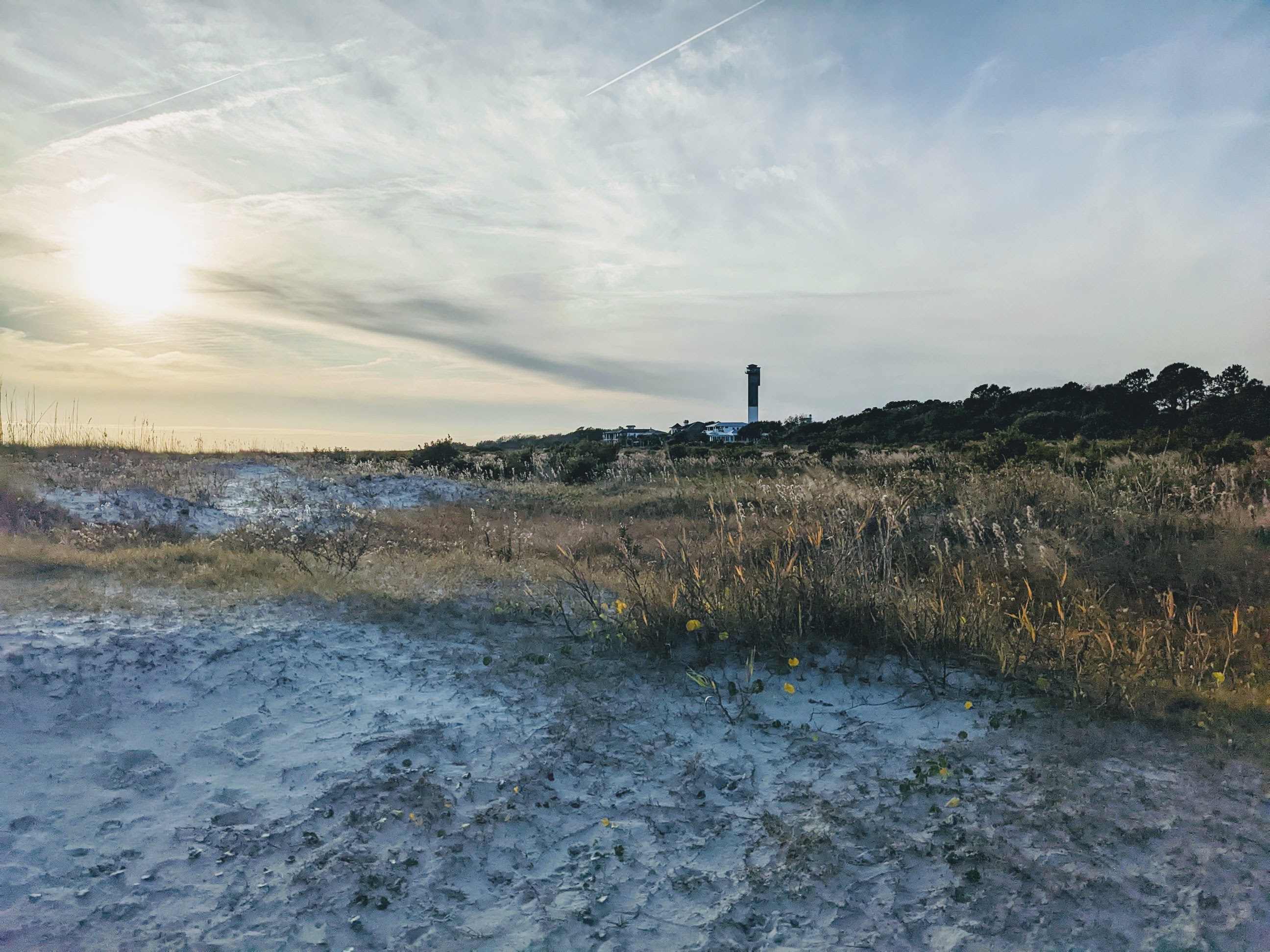
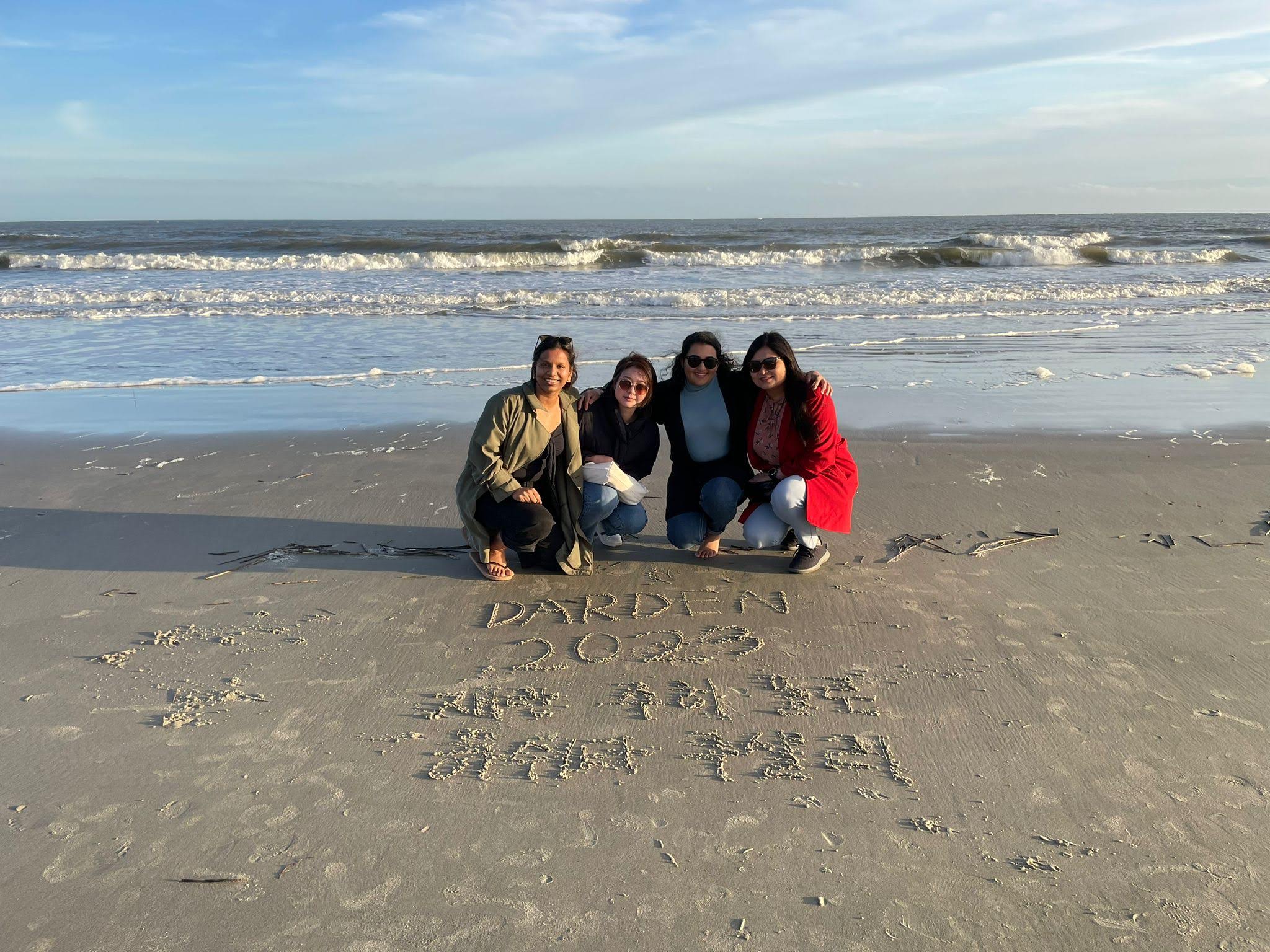
After Magnolia Plantation we stopped by downtown Charleston for an a lovely lunch at Basic Kitchen and then some ice cream at Off Track where there was a lot of vegan ice cream. Before closing out the day we headed for a walk on the beach at Sullivan’s Island. Although it was too chilly to swim it was beautiful to take in the coastal scenery and walk along the water.
 wanderworld