
I was able to sneak in a quick three day trip to Istanbul before a global course in Israel for my business school. With a group of school friends we tried to kick off the summer of our first year soaking in as much culture and tradition in this historic city as we could. At the connection of Europe and Asia the culture in Istanbul is a unique mix of the two. I really enjoyed exploring the architecture, culture and food of Istanbul during our short stay there. Below are some the things we saw and did that I highly recommend.
Sites
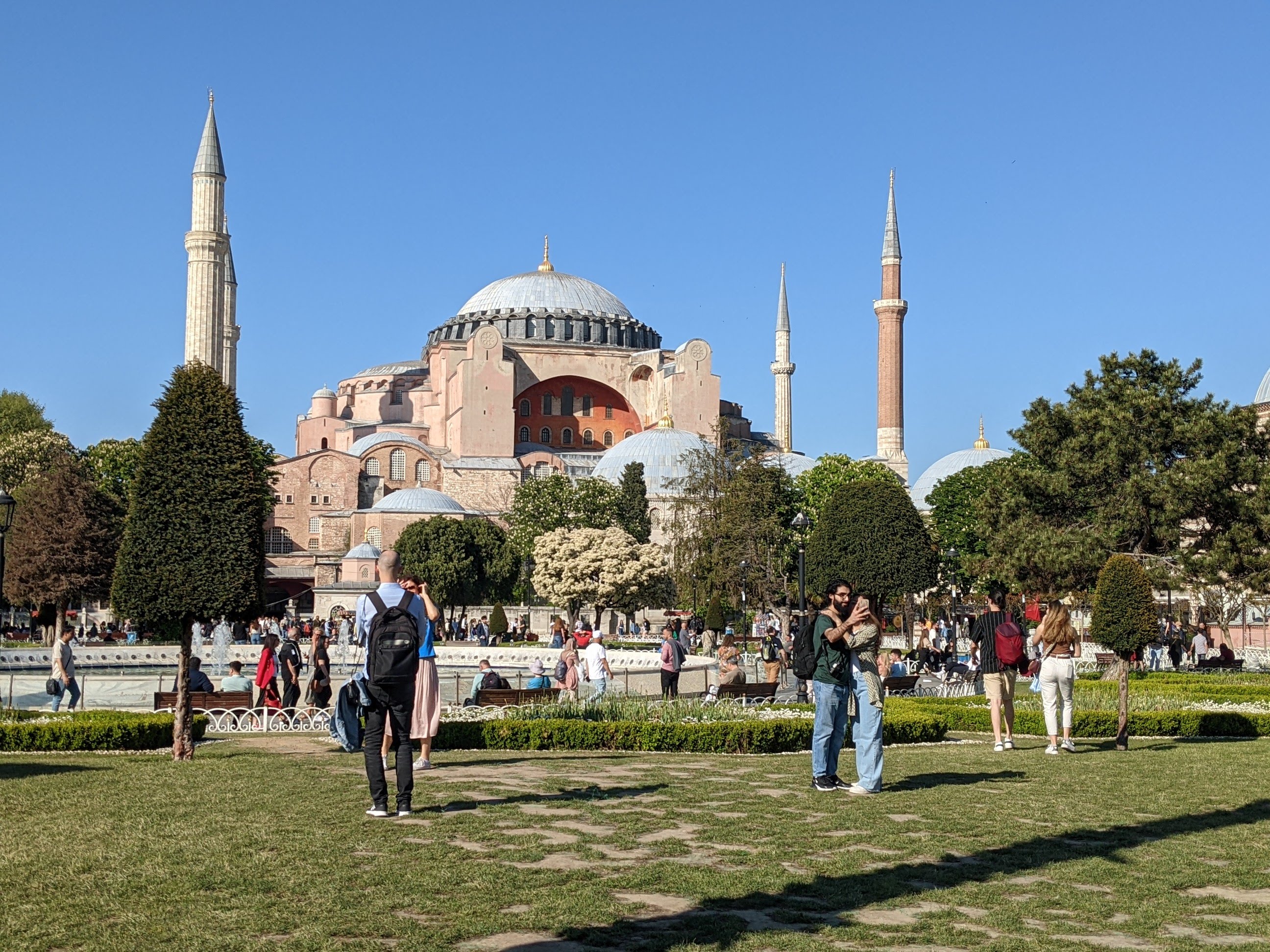
Hagia Sofia and Blue Mosque – If for some reason you can only do one thing in Istanbul visiting the Hagia Sofia should be that thing. The Hagia Sofia’s innovative architecture, rich history and its innovative architecture, rich history, religious significance make it a must-see. Originally constructed in 537 the Hagia Sofia has been destroyed and rebuilt three times over the centuries; it is the world’s oldest and fastest-completed cathedral. In its lifetime it has been a cathedral, mosque and museum and it’s fascinating to see the remnants of history in its walls.


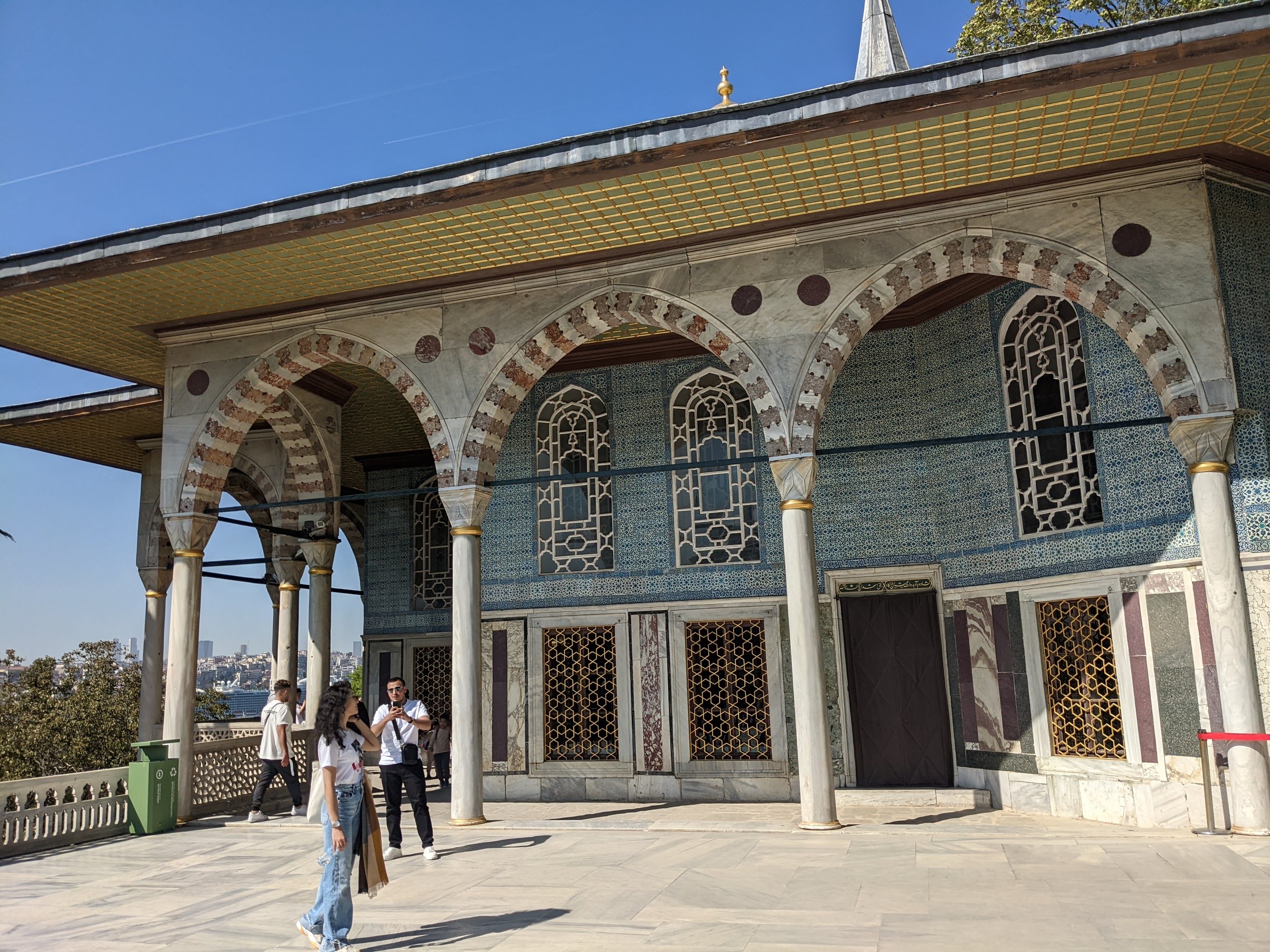
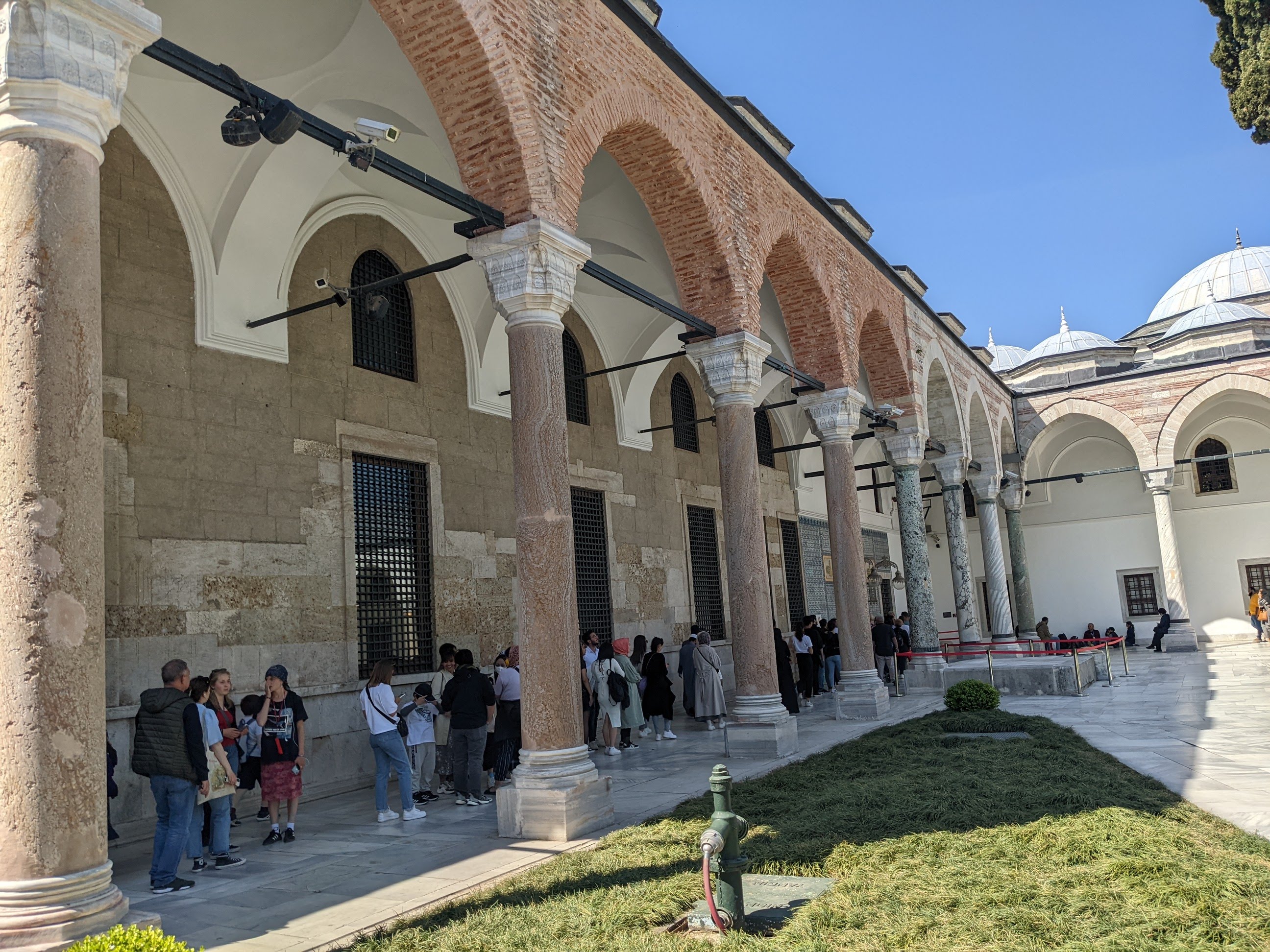
Topkapi Palace – Right next to the Hagia Sofia you will find the Topkapi palace, a museum in Istanbul that exhibits the imperial collections of the Ottoman Empire. Once the administrative center and residence of the imperial Ottoman court from about 1478 to 1856 it became a museum in 1924. Not only is the architecture beautiful but the items displayed are also interesting and historical.
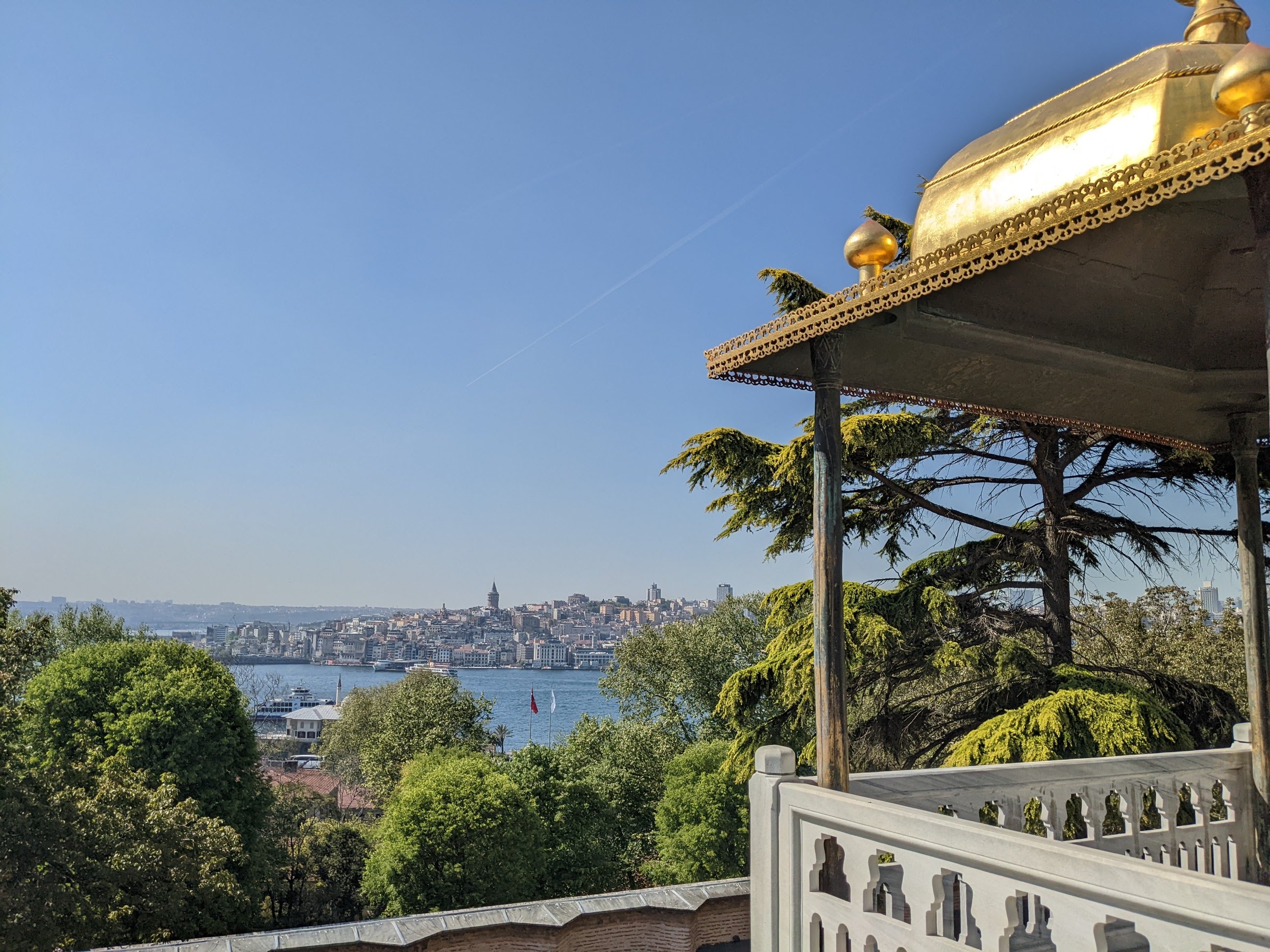

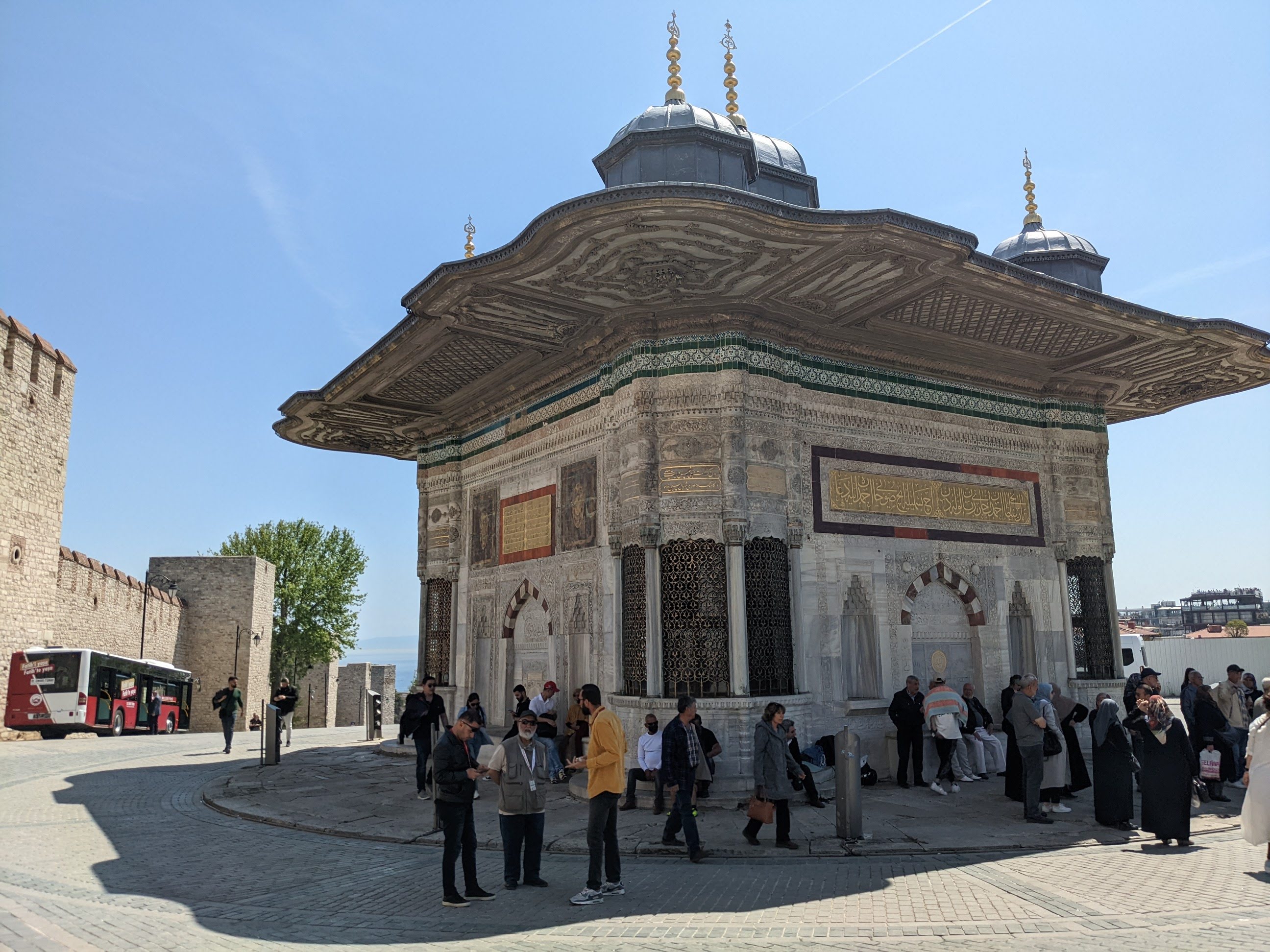
Galata Tower – Across the Galata bridge you will find the Galata Tower, landmark in the Istanbul skyline and one of the best places to get a view of the whole old city. Built by the Byzantine Emperor Justinianos in 507-508 AD the tower was used for defense and then as a fire watch tower. Galata Tower has many romantic stories. One of the legends indicates that if you climb the tower with your loved one, you will be married. So be careful who you climb the tower with. The neighborhood surrounding the tower is also a great place to have a coffee and do some shopping. We really enjoyed spending the evening walking around and take time to explore the vibrant neighborhood.


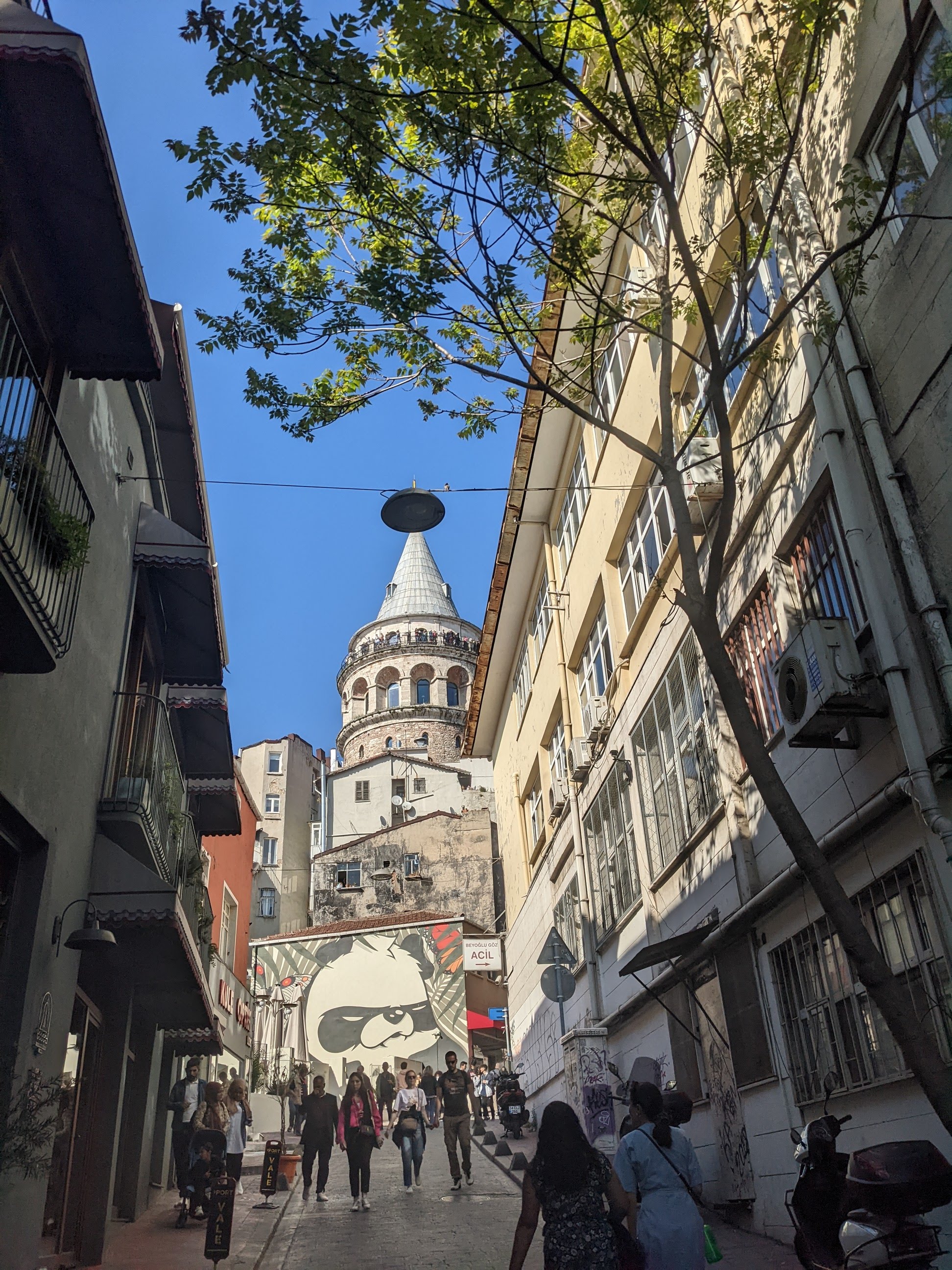
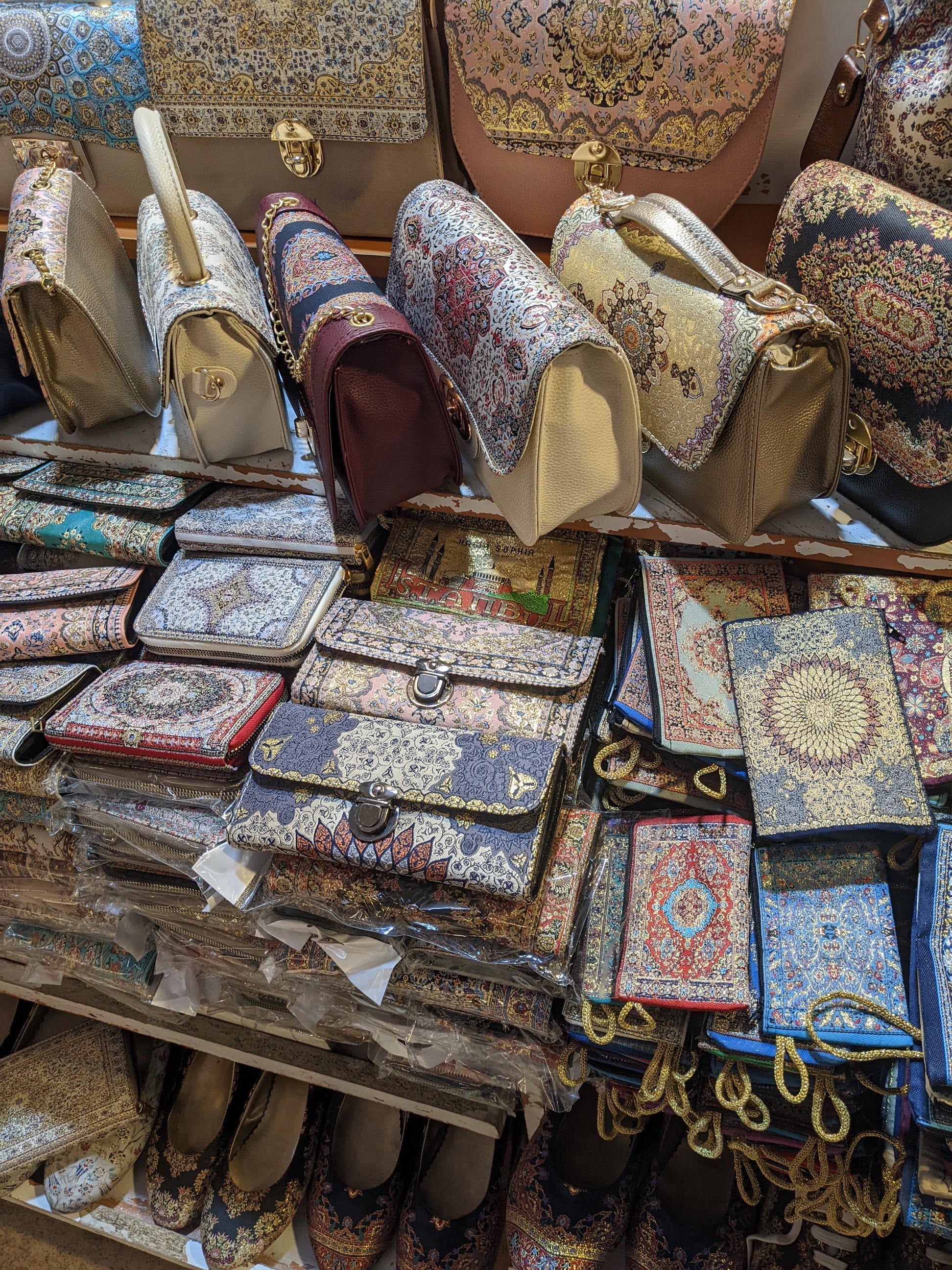
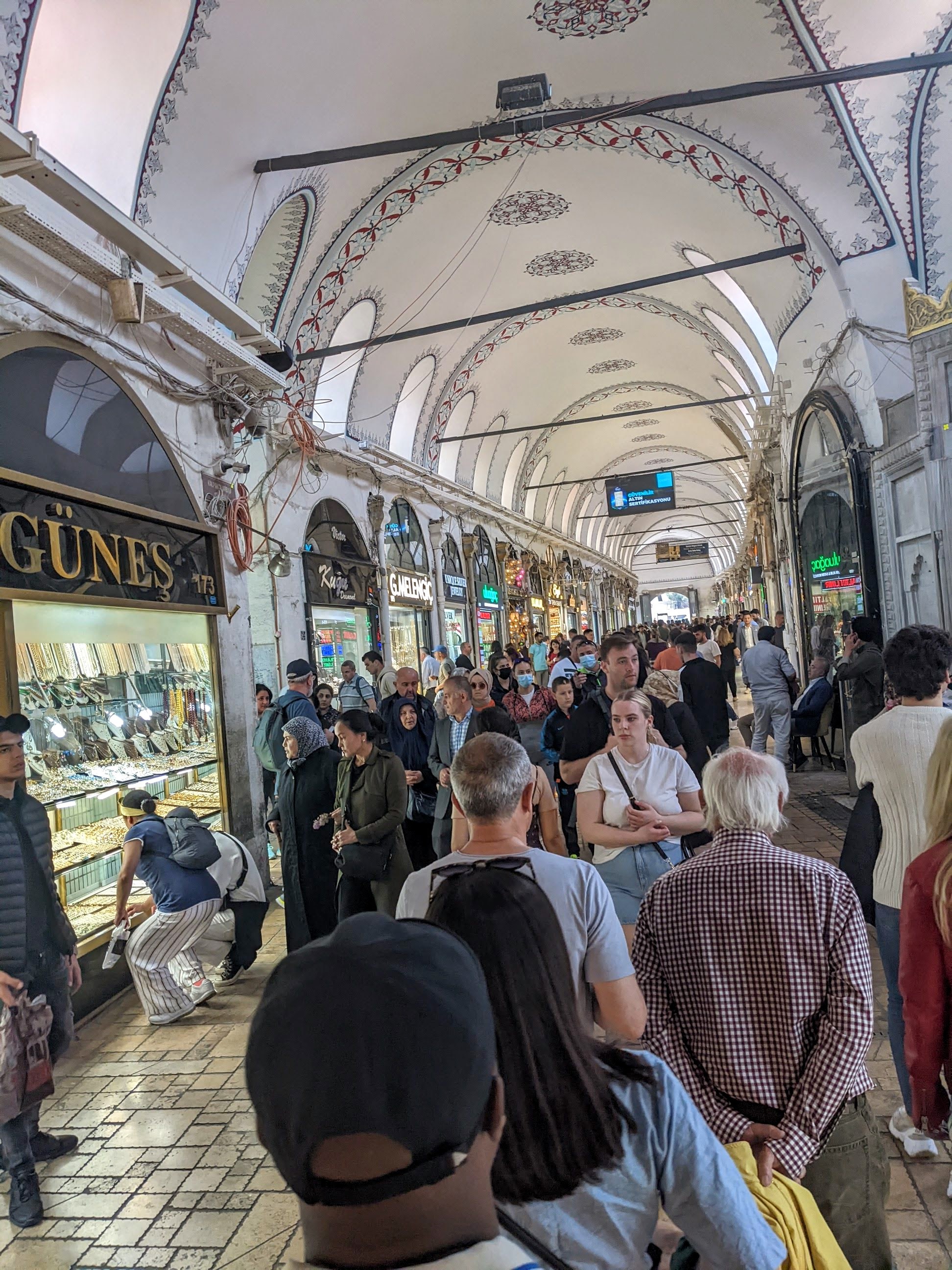
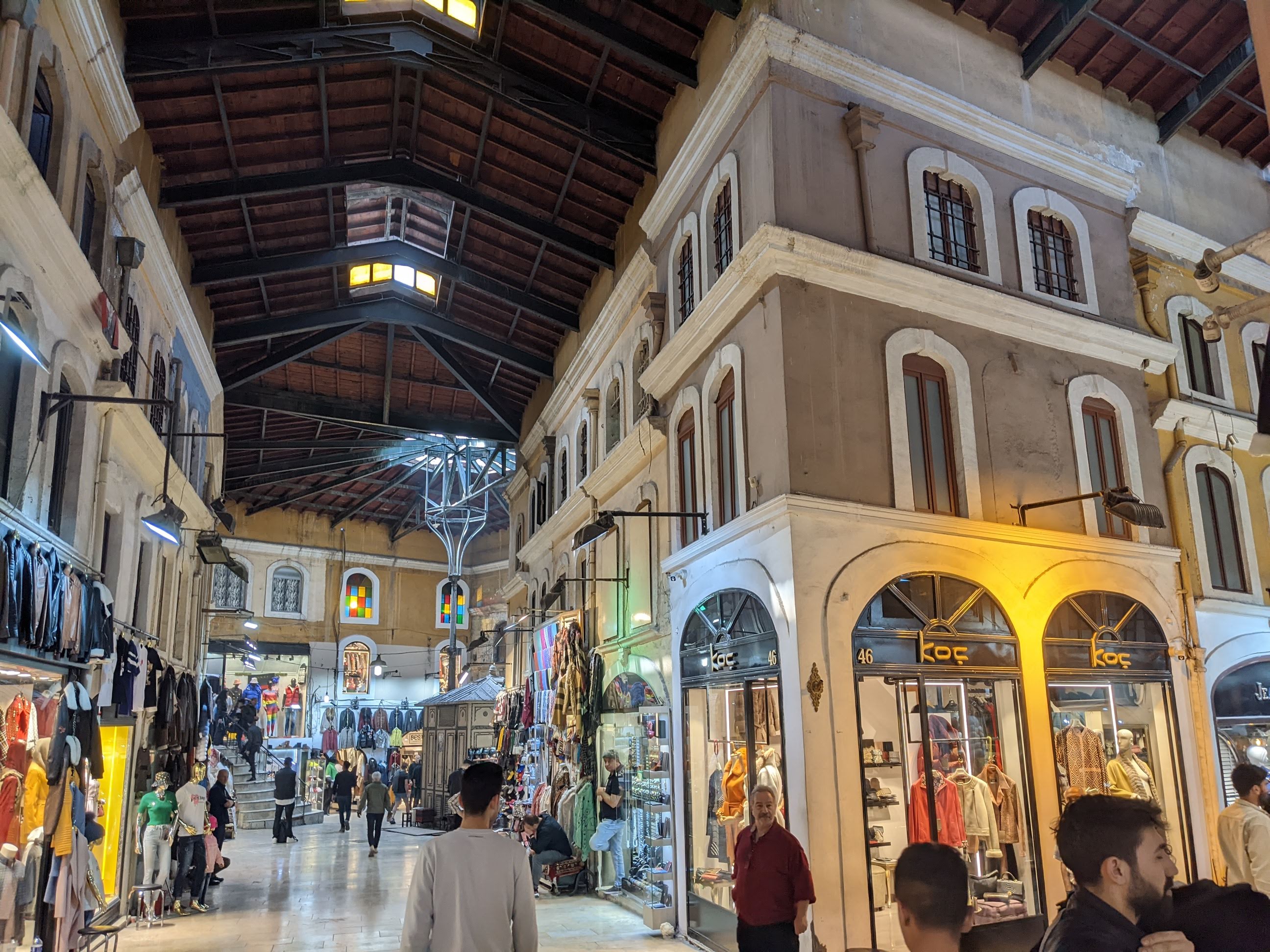
Grand Bazaar and Spice Bazaar – The Bazaars are mazes of shops and stalls and bustling with people. They are a great place to buy souvenirs whether it be spices, teas, clothes or backgammon sets. Just make sure you negotiate with the seller because nothing is actually the price that its sold. If its your first time at an Asian market I recommend you walk around and get a feel for all the different items on sale and the listed prices then negotiate based on the quality and uniqueness of the item. I was able to get at least 30% off most of the items I bought.
Food
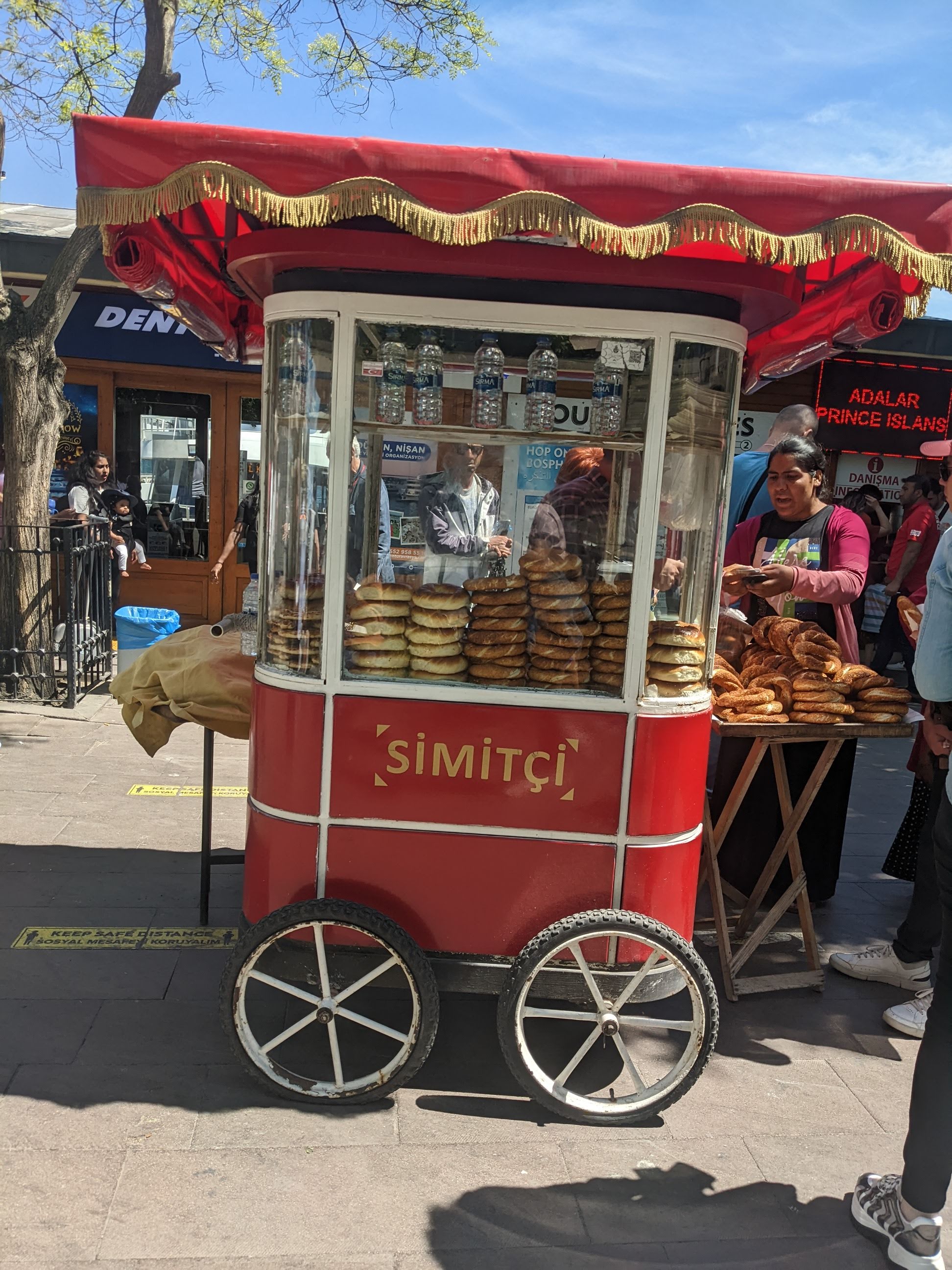
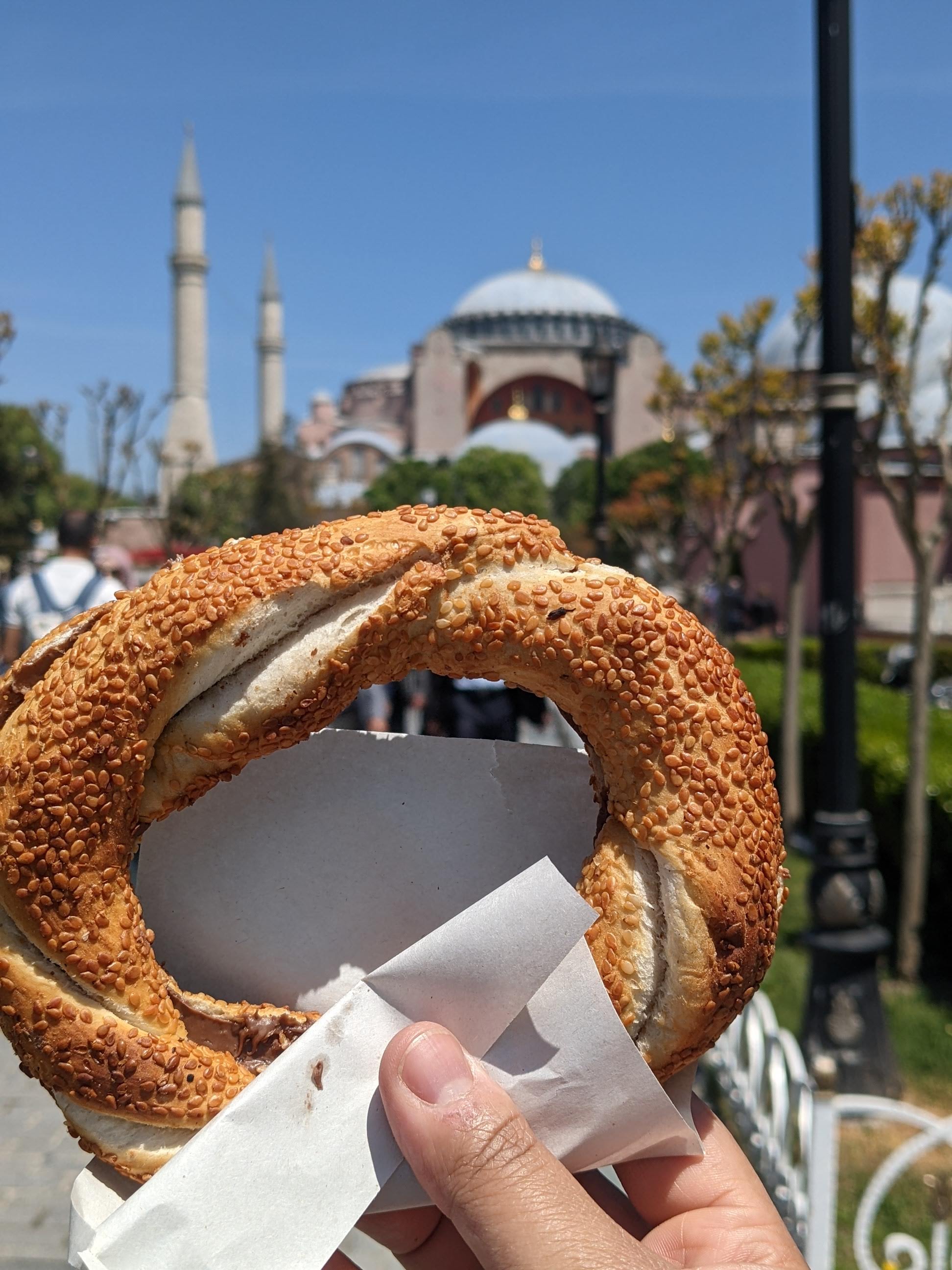
My favorite Turkish food was by far the Full Turkish Breakfast. Usually consisting of eggs cooked several ways, fresh pita, cheeses, cucumbers and tomotoes as well as filled savory pastries; it is a true celebration of Turkish cuisine. We one at a restaurant near the Hagia Sofia but also had a less formal one everyday at our hotel The Ferman which provided breakfast on their beautiful rooftop. Another Turkish delicacy I really enjoyed was the Simit, a circular bagel-like bread covered in sesame seeds and could be filled with cream cheese or nutella. We got a few of them from streetcarts that can be found on several streets. Last but not least we had several mezze platters which as a vegetarian were my favorite non-breakfast food to eat while in Istanbul. Usually consisting of several dips, veggies and pita these were super delicious and can be found at almost every restaurant in Istanbul.


Activities
Hodjaposha Whirling Dervish Ceremony– We saw this ceremony at the UNESCO Heritage Center but it is possible to see the Whirling Dervishes as a part of other tours as well. The Whirling Dervishes are the people that twirl in white robes as a part of the a Sufi tradition called the Sema ceremony. Whirling dervish ceremonies were started as a form of meditation by Jalaluddin Rumi, the famous Sufi Muslim mystic and poet, in the 13th century. The ceremony starts with music and then the dancers begin twirling as a form of remembrance and connection with god.
Hamam– 4th century, during the Ottoman Empire’s vast reign of much of the Middle East and Europe. Inspired by Roman practices in bathing, Turkish baths were a source for both community gathering and hygiene maintenance. Usually separated by gendersmall rooms of dry heat, rather than saunas. After building up a sweat for 10-15 minutes in the dry heat room, you’ll enter the larger communal pool, usually an ornately built marble room with tall ceilings and skylights for natural lighting, where you can relax alone as long as you wish.
You can wear a bathing suit or if you spontaneously decide to go unprepared like we did, the place may provide you with disposable underwear and a towel to wear when in more public areas like the sauna. You’ll be lathered up with soap (always by an attendant of your same sex); scrubbed down with an exfoliant paste, most often a gommage or savon beldi, which are gentle and painless exfoliants that are most effective when the applier rubs vigorously; and then washed and rinsed again but with cool water.
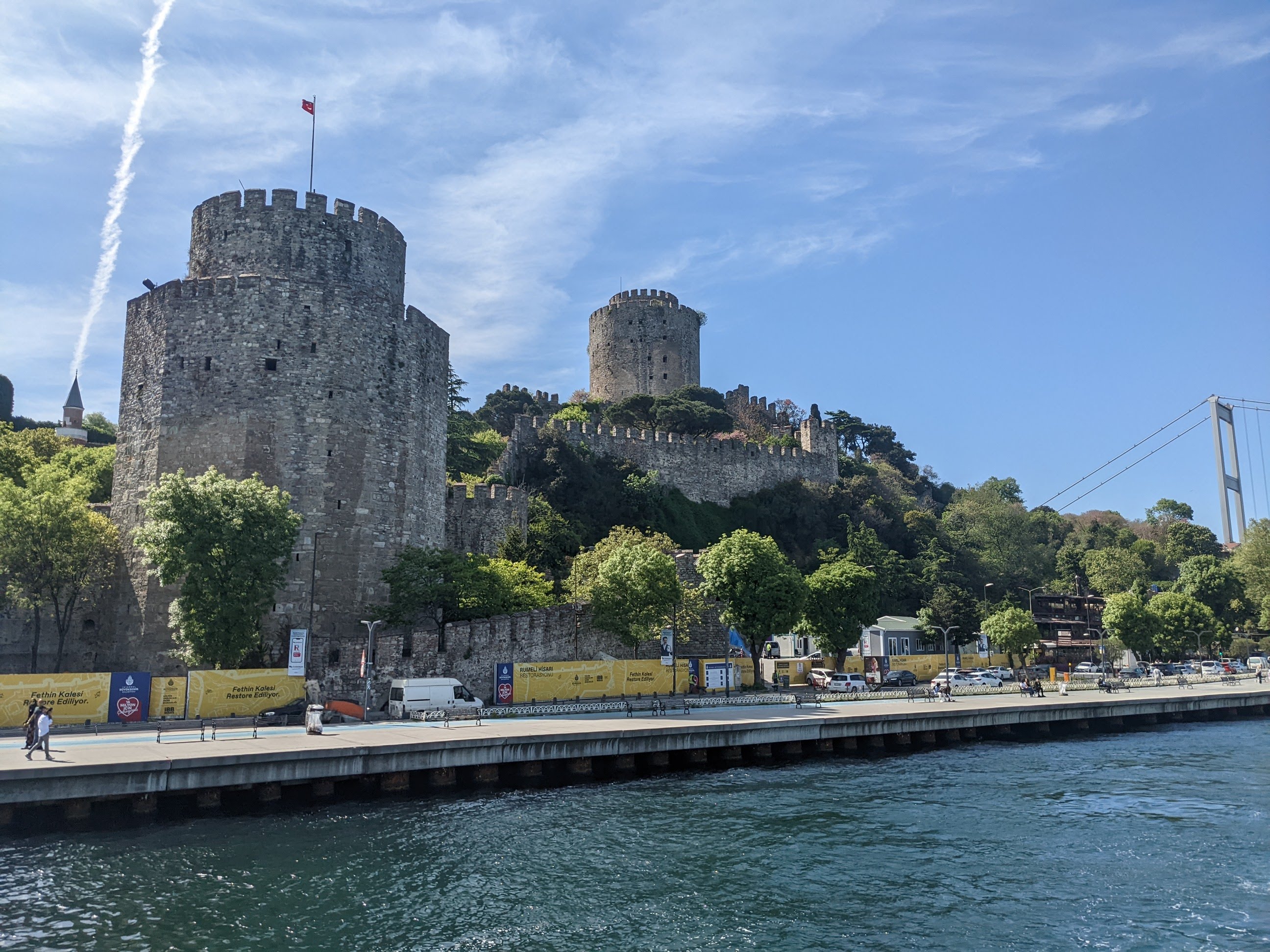
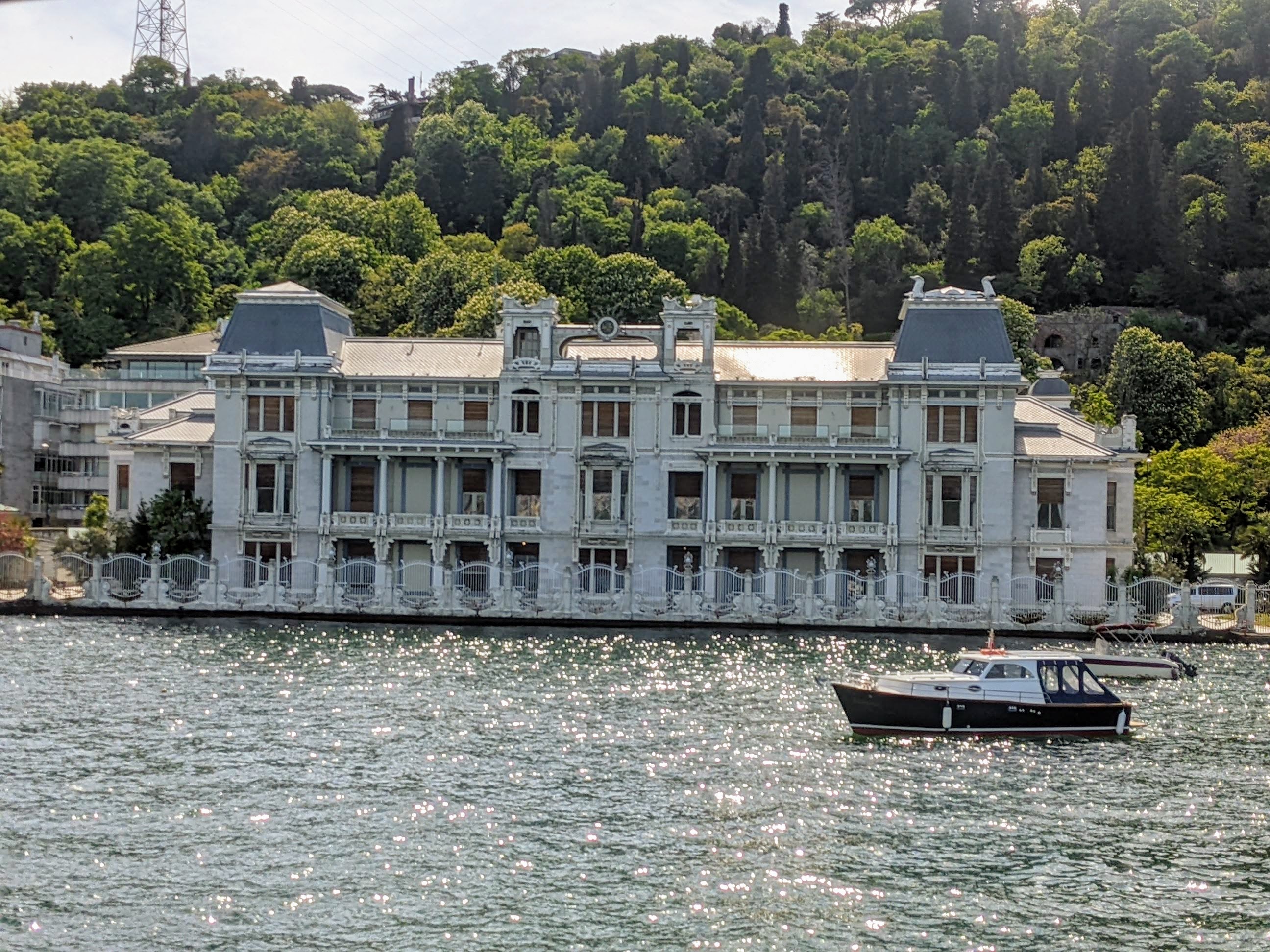
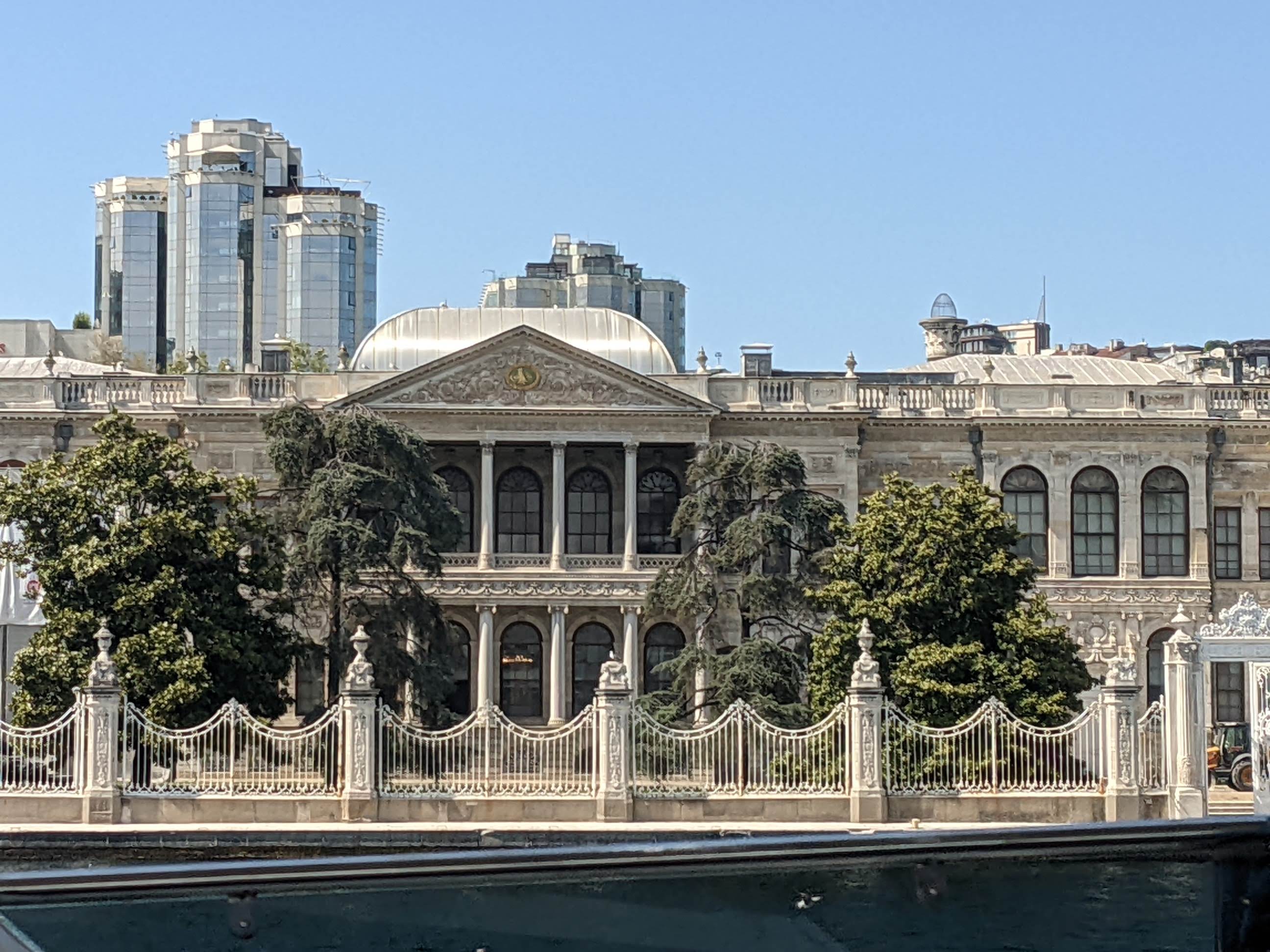
Bosphorus Tour– We did a tour 2.5 hour tour from Kabatas Pier through Bosphorus Tour Istanbul for about $35. This was my favorite way to view the city. Sailing across the Bosphorus the tour guide was able to point out landmarks on both the European and Asian sides of the city. We stopped for a quick yogurt break in a cute neighborhood on the Asian side, received some traditional Turkish drinks and snacks and were able to enjoy a beautiful day on the water. I highly recommend this tour as a fun relaxing way to soak in Istanbul.



 wanderworld